
Vandaag of morgen in huis

Kwaliteit gegarandeerd

Welkomstaanbiedingen ontgrendelen: GRATIS bezorging | Tot 80% korting | Gratis 30 dagen JoyPlus-proefperiode
Download de app
Fine lines, a tight feeling, dullness or less firm-looking skin: an anti-ageing face cream can be a useful step in your daily skincare routine. However, a higher price does not automatically mean a formula is right for you. A premium-looking pack or a long list of ingredients says little about whether a cream will work comfortably for your skin and routine.
The following pitfalls are common:
A moisturising face cream containing glycerine, shea butter, silicones or hyaluronic acid may suit dry or dehydrated skin. A richer cream feels comfortable, but may feel heavy on oilier skin.
For combination or oily skin, a gel cream or lightweight lotion is often more convenient. Look for terms such as “oil-free”, “lightweight texture” or “non-greasy”, but check the ingredients list too. A product description is an indication, not a personal skin analysis.
A cream for mature skin does not always have to be thick. If you wear make-up, you may actually prefer a fast-absorbing formula that does not leave a sticky layer behind.
Commonly used ingredients have different functions:
Do not focus solely on one “miracle ingredient”. The overall formula, fragrance, shelf life, frequency of use and packaging together determine whether a face cream fits into your routine.
A day cream is usually lighter and may contain UV filters. A night cream is often richer and generally does not contain SPF. Use a face cream with SPF as part of your morning routine, but choose the level of protection according to your circumstances.
An SPF rating is a verifiable product specification. The range may include, for example, SPF 15 and SPF 30. Having SPF does not mean you can stay in the sun indefinitely. Avoid contact with the eyes and check the packaging for instructions on use.
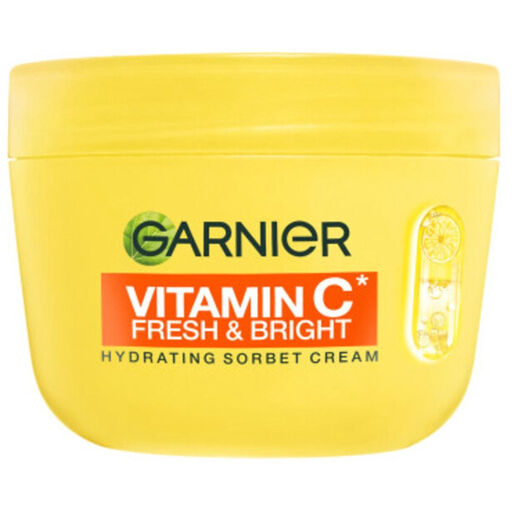
Why it suits this profile: The sorbet texture is designed for daily use and contains glycerine, niacinamide and a vitamin C derivative. With a 50 ml size, it offers an accessible way to start using an active face cream.
The ingredients list makes it clear that the product also contains fragrance, alcohol and salicylic acid. This allows you to assess in advance whether it suits your skin, rather than focusing solely on “vitamin C”.
Lightweight sorbet cream, 50 ml size, with niacinamide and ascorbyl glucoside in the formula.
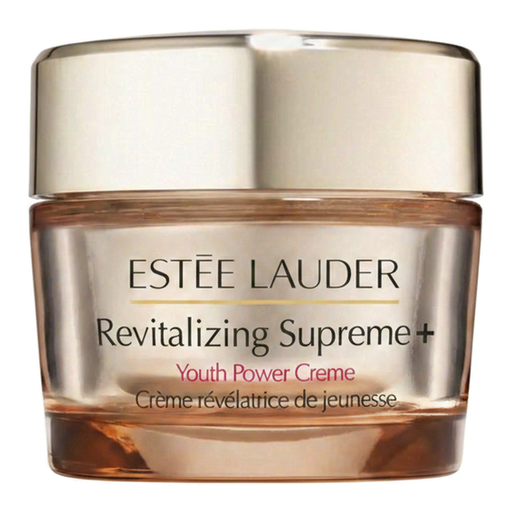
Why it suits this profile: This premium face cream is for those who value a soft texture, a comprehensive formula and use on the face and neck. The product information lists hyaluronic acid and gives the size as 50 ml.
The choice is not based solely on a premium appearance: the product specifications mention the texture, application, skin type and active ingredients. Estée Lauder’s claims about results remain brand claims.
Suitable for all skin types according to the product information; contains sodium hyaluronate and is intended for the face and neck.
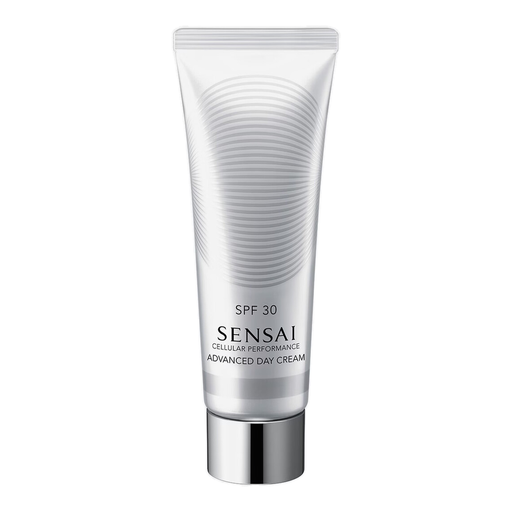
Why it suits this profile: If you are looking for one daytime skincare step with UV filters, this day cream offers SPF 30. The product information lists a cream formula for all skin types and use on the face.
The SPF rating is clearly stated, so you will not confuse SPF 30 with an unspecified protection claim. The formula also contains fragrance and alcohol, so check beforehand whether your skin tolerates them.
SPF 30, 50 ml size and niacinamide in the ingredients list; according to the product description, the cream absorbs quickly.
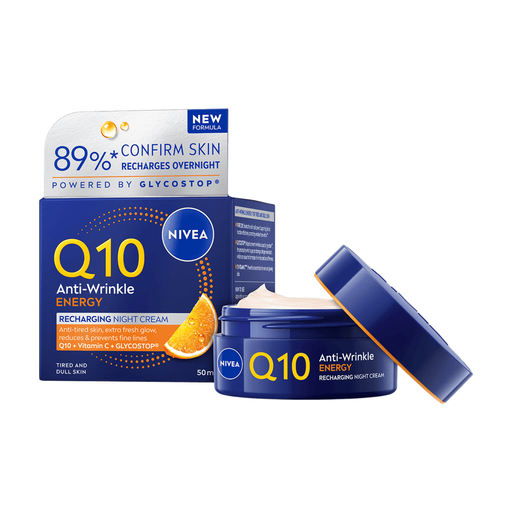
Why it suits this profile: According to the product information, this night cream is suitable for all skin types and contains glycerine, shea butter, Q10, a vitamin C derivative and vitamin E.
You are deliberately choosing a night formula without SPF, rather than mixing up day and night creams. According to NIVEA’s own research, certain improvements were measured in vitro after two weeks; this is not a guarantee for every skin type.
Richer 50 ml night cream with Q10, a vitamin C derivative and vitamin E.
We have put together a complete, up-to-date list of products that fully meet these strict selection criteria and the applicable European safety regulations.
For every purchase, check the volume in millilitres, the recommended frequency of use, the shelf life and the full ingredients list. The period-after-opening or use-by information is shown on the packaging.
A cream can hydrate the skin, which may temporarily make fine lines appear less visible. Brands may make additional efficacy claims when they can substantiate them, but results vary from person to person. An anti-wrinkle cream is not a substitute for medical advice or treatment.
That depends on the SPF rating, how much you apply and how much sun exposure you have. A face cream with SPF 15 or SPF 30 is a practical everyday starting point, but if you spend a lot of time outdoors, swim or perspire, a separate sunscreen with suitable protection is the wiser choice.
A 50 ml pack may last from several weeks to several months with daily use. This depends on how much you apply each time and whether you also use the cream on your neck. Use clean hands, close the jar or tube properly and store the product away from direct sunlight and high temperatures.
