
Vandaag of morgen in huis

Kwaliteit gegarandeerd

Welkomstaanbiedingen ontgrendelen: GRATIS bezorging | Tot 80% korting | Gratis 30 dagen JoyPlus-proefperiode
Download de app
Wrinkles, fine lines, drier skin and loss of firmness do not all require the same cream. Yet many products promise a visible lifting effect, rapid rejuvenation or smoother-looking skin without clearly explaining which ingredients and usage conditions are involved. The right choice therefore starts not with the packaging, but with your skin type, the formula and your daily routine.
Words such as “lifting”, “anti-ageing” and “anti-wrinkle” often describe a product’s intended purpose, not a guaranteed personal result. A brand’s own research or user reviews may report visible changes, but your skin may respond differently. So look for verifiable information, such as the ingredients list, product volume, recommended frequency of use and suitability for a particular skin type.
A retinol cream, AHA/BHA product or formula containing several active ingredients can be appealing for fine lines and a dull complexion. However, for beginners or those with sensitive skin, a combination like this may cause dryness or irritation more quickly. More active ingredients do not automatically mean a cream is better suited to you.
The skin around the eyes is thinner and more sensitive than the rest of the face. An ordinary anti-wrinkle cream is not always intended for this area. If dark circles, puffiness or crow’s feet are your main concerns, it may be better to look for a specific eye cream for dark circles. Always check the warning instructions too: avoid direct contact with the eyes and stop using the product if irritation occurs.
Do not focus on just one popular ingredient. The complete INCI list, texture and instructions together determine whether a product is practical for you to use.
A rich cream can feel pleasant on normal to dry skin, but may feel heavy on combination or oilier skin. A gel cream generally absorbs more lightly and may be more suitable for daytime use. For sensitive skin, a fragrance-free formula, clear safety instructions and a patch test are important considerations.
Also look for terms such as “non-comedogenic”, “hypoallergenic” or “dermatologically tested”. These terms provide information about how the product is positioned, but do not rule out an individual reaction.
A 50 ml pot or tube is not always better value than a 30 or 40 ml product. Check how much product you need to apply each time and whether the cream is intended for day, night or both. Store cosmetics in a cool, dry place away from direct sunlight. Check the expiry date and the period after opening on the packaging.
With retinol, it is important to build up use carefully. For example, apply a small amount according to the label and increase the frequency only if your skin tolerates it. Do not use several retinol, AHA or BHA products at the same time without a clear reason. When using retinol, applying sunscreen during the day is recommended. During pregnancy or breastfeeding, follow the warning on the product and seek medical advice if in doubt.
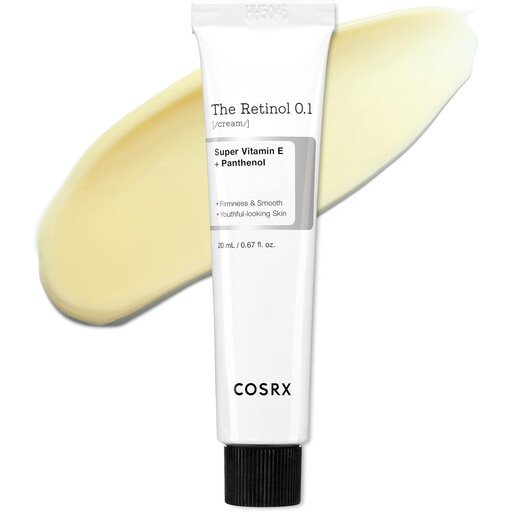
Why it suits this profile: The product information states that it contains 0.1% retinol and positions the formula for beginners. This makes the cream suitable for anyone wanting to introduce retinol gradually.
The concentration is clearly stated. Start according to the instructions, using it infrequently at first, and test it on a small area of skin.
0.1% retinol, 20 ml volume and panthenol in the stated formula.
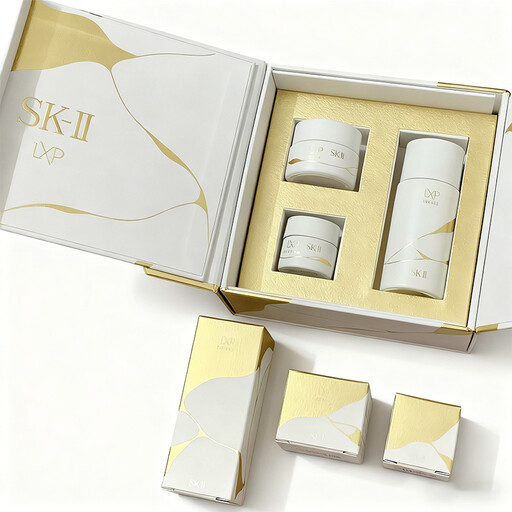
Why it suits this profile: This set combines essence, eye cream and face cream. It is ideal for anyone who wants to try a complete routine in smaller quantities or give it as a gift.
The contents are specified clearly: 30 ml essence, 3 g eye cream and 8 g face cream. You know exactly what you are buying.
Three steps in one gift set; instructions for use on the face, neck and eye contour are provided.
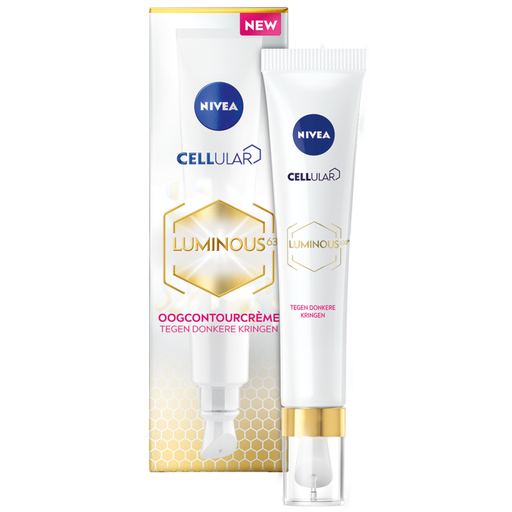
Why it suits this profile: This 15 ml eye cream is specifically intended for dark circles, puffiness and dryness around the eyes. According to the product information, the formula contains hyaluronic acid and caffeine.
Its use is limited to the eye contour. This prevents you from applying an ordinary face cream too close to the eyes.
15 ml volume; according to the product information, suitable for all skin types and dermatologically and ophthalmologically approved.
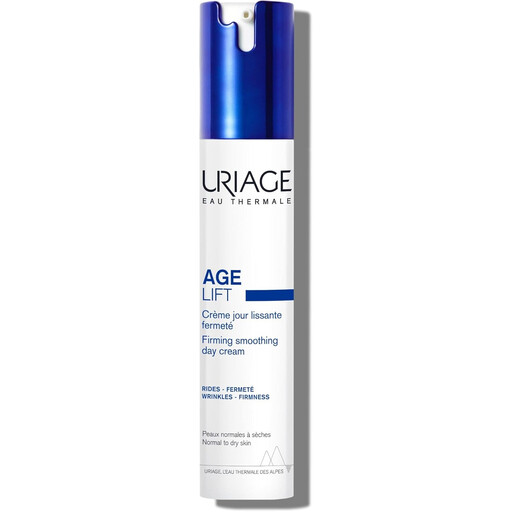
Why it suits this profile: The product details describe a fragrance-free, alcohol-free and non-comedogenic formula for normal, dry and sensitive skin.
The packaging states that you should reduce the frequency of use if irritation occurs. This is clearer than making a general promise about immediate results.
40 ml tube; the product description mentions retinol, hyaluronic acid and shea butter.
We have put together a complete, up-to-date list of products that fully meet these strict selection criteria and the applicable European safety regulations.
A cream can hydrate the skin, making fine lines temporarily appear less visible. Ingredients such as retinol are used in products for wrinkles and skin texture. Results vary from person to person and depend on age, skin type, frequency of use and sun exposure. Do not expect results equivalent to a medical or cosmetic treatment.
Always follow the label. Beginners are generally better off starting with a low concentration and using it infrequently. Apply retinol in the evening, avoid the eye and lip contours, and use sun protection during the day. Stop using it if persistent redness, itching, burning or swelling occurs. According to the stated product information, a product containing 0.1% retinol is intended for beginners; 0.3% requires extra care when building up use and monitoring tolerance.
No. The price alone does not indicate how much benefit a product offers. Compare the product volume, ingredients, instructions for use, skin type and intended application. A simple hyaluronic acid cream may be better suited to dry skin than a complex product containing several active ingredients. If you only want to address dark circles, a targeted eye cream may be more useful than a large face cream.
