
Vandaag of morgen in huis

Kwaliteit gegarandeerd

Welkomstaanbiedingen ontgrendelen: GRATIS bezorging | Tot 80% korting | Gratis 30 dagen JoyPlus-proefperiode
Download de app
An anti-ageing day cream with SPF combines daily skincare with protection from UV radiation. That sounds straightforward, but products vary considerably in texture, sun protection factor, ingredients and suitability for different skin types. A rich cream may feel comfortable on dry skin, but too heavy on combination skin. A lightweight formula may feel comfortable, but fail to provide enough nourishment when your skin feels tight.
Shopping with a clear idea of what you need helps you avoid these three common pitfalls:
An SPF 30 day cream is a practical choice if you spend time outdoors every day, cycle or sit by a window or on a terrace for longer periods. SPF 15 or SPF 20 may be suitable for brief daily exposure, but offers lower protection. SPF 25 sits in between.
Please note: a day cream with SPF does not automatically replace a separate sun protection product during prolonged exposure. Apply the cream generously before exposure and reapply after swimming, drying yourself or sweating, following the instructions on the packaging. You should also avoid prolonged and intense sun exposure.
A hyaluronic acid day cream is designed to provide hydration and a plumper-looking feel. Q10 is found in a variety of formulas, including a Q10 day cream for dry skin or a version for combination to oily skin. Product descriptions may also refer to collagen, elastin, pigmentation or cell renewal.
Treat such performance claims as brand information. According to NIVEA’s own research, some products have been associated with reported improvements in hydration, elasticity or the appearance of wrinkles. According to Eucerin’s product description, the Hyaluron-Filler + Rose formula contains Thiamidol and a Collagen Elastin Complex. This information describes the formula and the brand’s claims, but cannot predict exactly how your skin will respond.
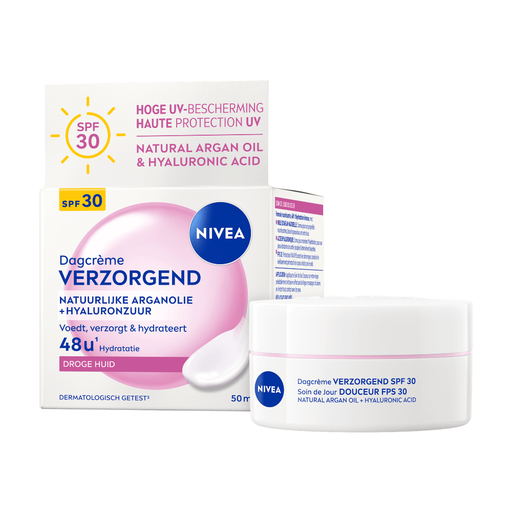
Why it suits this profile: An accessible everyday face cream for anyone who wants to combine hydration and SPF in one step, with a formula that the product description says is intended for dry skin.
The SPF 30 is clearly stated, and the ingredients list includes glycerine, argan oil, sodium hyaluronate and shea butter. Always check the current packaging, however.
SPF 30, 50 ml capacity, hyaluronic acid and a nourishing formula for dry skin.
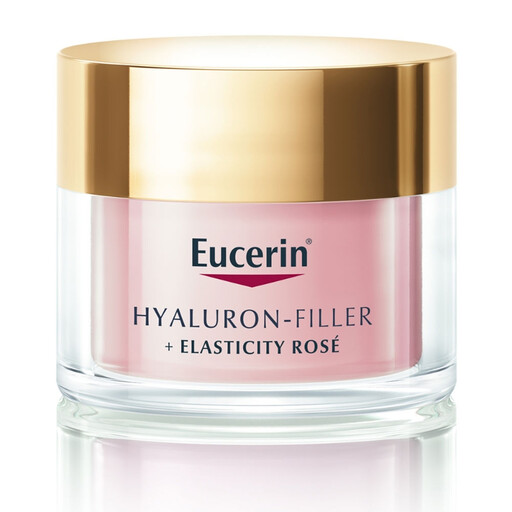
Why it suits this profile: For users who want to combine SPF 30, hydration and a tinted appearance in a facial product.
The product description mentions SPF 30, a pink tint and pump packaging. The tint may help visually offset a dull appearance, but it is not a substitute for make-up or sun cream.
SPF 30, 50 ml, pink tint and, according to the product information, suitable for all skin types and sensitive skin.
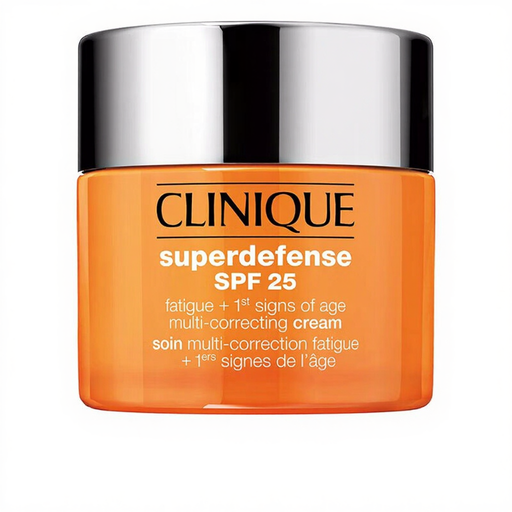
Why it suits this profile: Designed for anyone looking for a lightweight, oil-free formula for oily or combination skin who also values a fragrance-free option.
The SPF 25, oil-free formula and resistance to sweat and moisture are clearly stated in the product information. SPF 25 is lower than SPF 30, however.
Oil-free texture, fragrance-free according to the product details, SPF 25 and 50 ml capacity.
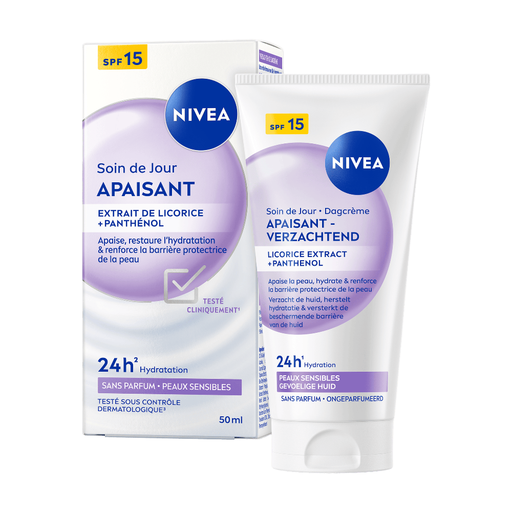
Why it suits this profile: For anyone looking for a fragrance-free, pH-neutral day cream with hydrating ingredients and a lower everyday SPF.
The product information states that it is fragrance-free, pH-neutral and SPF 15. For prolonged outdoor activities, additional or stronger sun protection is advisable.
Fragrance-free formula, 50 ml, panthenol and liquorice extract according to the ingredients list.
We have put together a complete, up-to-date list of products that fully meet these strict selection criteria and the applicable European safety regulations.
SPF 30 may be suitable for everyday use, but the level of protection depends on applying enough product, spreading it evenly and reapplying it. For strong or prolonged exposure, a separate sun protection product with an appropriate level of protection is recommended.
You can, but check the ingredients list first. Fragrance, alcohol or certain UV filters may feel uncomfortable for some people. Use a small amount, test it on a limited area of skin and stop using it if redness, itching or irritation occurs.
Follow the best-before date and the period-after-opening symbol on the packaging. Store the cream according to the instructions, usually at room temperature and away from direct sunlight. If the smell, colour or texture changes, stop using the product.
