
Vandaag of morgen in huis

Kwaliteit gegarandeerd

Welkomstaanbiedingen ontgrendelen: GRATIS bezorging | Tot 80% korting | Gratis 30 dagen JoyPlus-proefperiode
Download de app
Choosing an anti-ageing cream may seem straightforward, but product packaging often makes broad promises. An anti-wrinkle cream, for example, may mainly moisturise, while a retinol cream contains an active ingredient that needs to be introduced gradually. If you focus only on words such as “rejuvenating”, “lifting” or “intensive”, you could end up paying for a formula that doesn’t suit your skin or routine.
This guide will help you turn marketing claims into product information you can check. That way, you can find a cream for fine lines, an anti-ageing serum or a moisturising face cream for everyday use.
Terms such as “reduces wrinkles” and “firms the skin” are usually claims made by the brand. They shouldn’t be presented as guaranteed results. For example, according to NIVEA MEN’s own product description, hyaluronic acid helps to hydrate the skin and the formula reduces the appearance of wrinkles. Your experience may vary depending on your skin.
So, look for what’s actually specified:
Retinol and retinal are vitamin A derivatives. They can be found in a retinol cream or serum, but a higher percentage doesn’t automatically mean the product is right for you. The Retinol 0.1 Cream, for example, lists 0.1% retinol. According to its product information, ANUA Retinol 0.3% + Niacin Renewing Serum contains retinol, with use every other day recommended at first.
It’s best to apply a retinol product in the evening, introduce it gradually and use sun protection during the day. Stop using it if you experience persistent redness, a burning sensation or swelling. Retinol product information also advises discussing use with a healthcare professional during pregnancy or while breastfeeding.
Dry skin may look temporarily smoother after applying glycerine, hyaluronic acid or a rich cream. That doesn’t automatically mean the product addresses every sign of skin ageing. A hyaluronic acid cream may be worth considering if tightness or dehydration is your main concern. For a broader skin-firming skincare routine, you could also look for peptides, ceramides and a texture that suits your skin.
Check the ingredients list rather than relying on the front of the packaging. Common ingredients include:
An ingredient’s position on the INCI list gives you some context, but it doesn’t always tell you its exact concentration. So, compare more than just percentages: check the usage advice, packaging and recommended skin type too.
A rich cream may be a better fit for dry or mature skin, while a gel or lightweight serum may feel more comfortable on normal or combination skin. A serum doesn’t replace a moisturiser: use it as an additional step, then apply a cream if your skin needs one.
Choose a product that fits your routine, too. If you’re looking for a simple morning cream, a product intended for evening use alone may not be the best choice. For a daytime product, check the stated SPF. SPF 15 or SPF 30 doesn’t make a formula a complete replacement for sun cream on sunny days.
Sensitive skin may react to fragrance, alcohol denat., essential oils or potent active ingredients. According to its product information, Uriage AGE LIFT is described as fragrance-free, non-comedogenic and suitable for sensitive skin. Rilastil MULTIREPAIR CUADRI-GF also lists a fragrance-free formula, but its ingredients list includes alcohol denat. So, always check the current packaging rather than relying only on a brief marketing description.
A pump bottle limits contact with air and fingers. A tube is practical for hygienic dispensing and taking with you. Use ampoules according to the instructions, and don’t assume an opened ampoule can be saved for later.
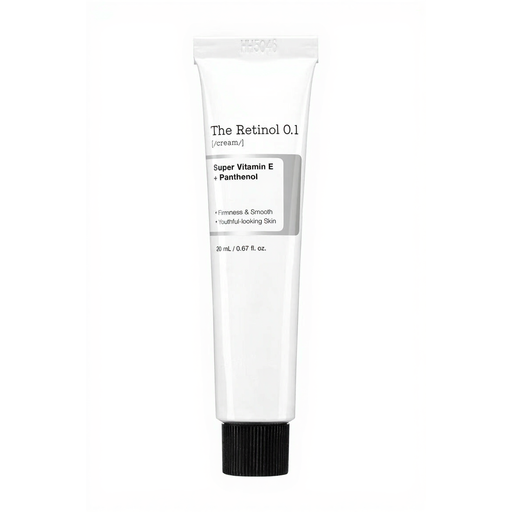
Why it suits this profile: According to the product description, the cream contains 0.1% retinol. This makes it a straightforward option to add to an evening routine if you’re new to retinol products.
It avoids any ambiguity about the active ingredient: the product information specifies retinol and its percentage. Still, introduce it gradually and follow the instructions on the packaging.
0.1% retinol; the formula also lists hyaluronic acid and panthenol for hydration.
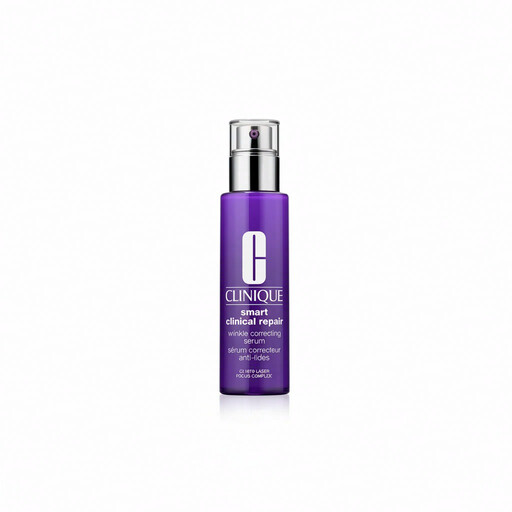
Why it suits this profile: This serum may suit anyone looking to combine several steps: the product information lists peptides, a vitamin A derivative and hyaluronic acid in one formula.
The ingredients and instructions for use on the face and neck are clearly listed. If you have sensitive skin, check the full, up-to-date INCI list as well.
50 ml; fragrance-free serum texture; listed in the product details as suitable for all skin types and mature skin.
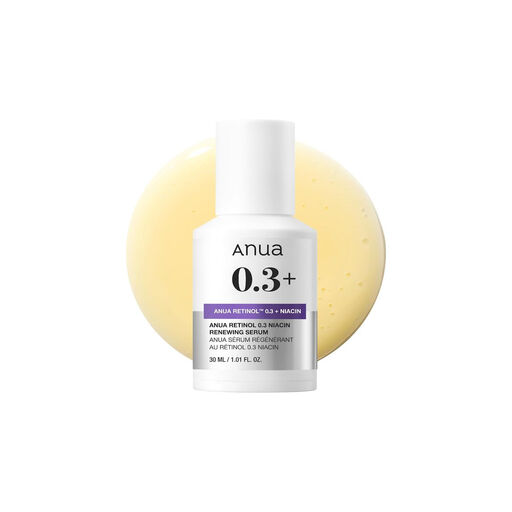
Why it suits this profile: A good fit for users specifically looking for a retinol serum with niacinamide, ceramides and several hydrating ingredients.
The usage advice recommends starting with use every other day, applying a moisturiser afterwards and using sun protection daily. This helps you avoid increasing use too quickly.
Lists 0.3% retinol; also contains niacinamide, ceramides, panthenol and forms of hyaluronic acid.
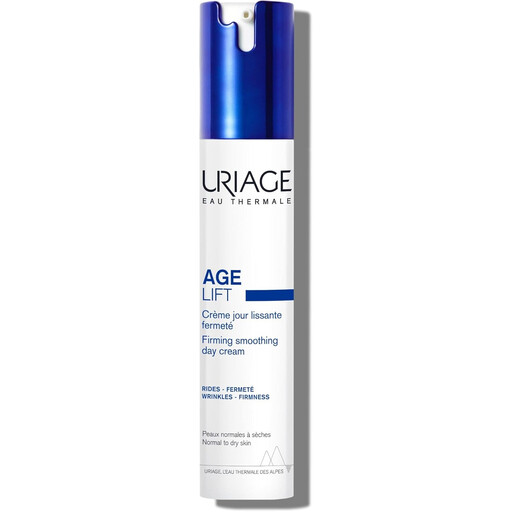
Why it suits this profile: The product information positions this cream for normal, sensitive and dry skin, and lists shea butter, retinol and hyaluronic acid.
The formula specifies relevant skin types and usage warnings. If irritation occurs, the product information recommends reducing how often you use it.
40 ml; listed as fragrance-free and non-comedogenic; contains shea butter and hyaluronic acid according to the product details.
We’ve put together a complete, up-to-date list of products that meet these strict selection criteria and comply with current European safety regulations.
Start by following the product instructions and using it infrequently, for example every other day or a few times a week. If your skin responds well, you can gradually increase how often you use it. It’s best to use retinol in the evening and sun protection during the day.
A serum usually has a lighter texture and often contains concentrated active ingredients. You can use it alongside a cream, but it won’t always replace the moisturising or protective step. If you have dry skin, applying a moisturiser after your serum may feel more comfortable.
This depends on the amount in the pack, how much you apply and how often you use it. Check the expiry information and the period-after-opening symbol on the packaging. If the manufacturer recommends it, keep the product closed, somewhere cool and out of direct sunlight.
