
Vandaag of morgen in huis

Kwaliteit gegarandeerd

Welkomstaanbiedingen ontgrendelen: GRATIS bezorging | Tot 80% korting | Gratis 30 dagen JoyPlus-proefperiode
Download de app
Buying an anti-ageing cream seems straightforward, until you have to choose between an anti-ageing day cream, night cream, retinol cream, niacinamide cream or a hydrating anti-ageing cream. Brands often use terms like “lifting”, “restorative” and “younger-looking skin”, but such words don’t tell you much without looking at the ingredients, skin type and usage instructions.
These three pitfalls in particular can lead to a bad purchase:
An anti-ageing day cream is intended for use in the morning. Pay particular attention to SPF, texture and how it works with make-up. A day cream SPF 30 can be a practical choice when you want to combine a separate hydrating cream with daily UV protection.
An anti-ageing night cream usually contains no SPF and often has a richer texture. This suits dry or mature skin that needs more comfort in the evening. A night cream does not replace sun protection during the day.
Don’t just look at the front of the packaging, but also at the full ingredients list.
For sensitive skin, it’s wise to be extra critical of fragrance, alcohol and strong active ingredients. Test a new product on a small area of skin first. Stop if irritation occurs and rinse with water if it comes into contact with the eyes.
A rich cream with shea butter or oils can be pleasant for dry or mature skin, but may feel too heavy on oily or combination skin. A light gel cream or a formula with a mattifying texture may be a better fit there.
Also check the packaging. A pump bottle limits direct contact with the contents. With a jar, hygienic use is important: wash your hands before applying the cream. Also pay attention to the shelf life and the period after opening indicated on the packaging.
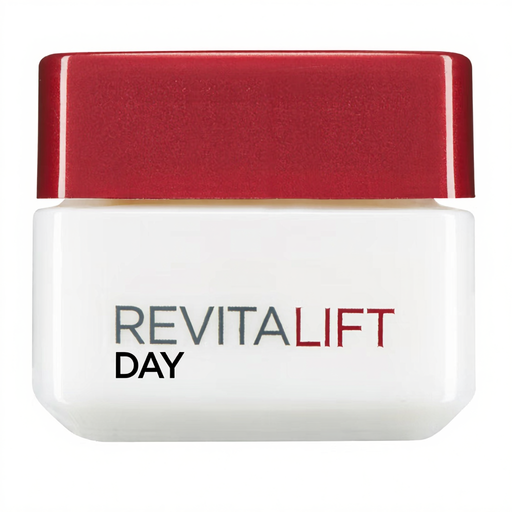
Why this fits the profile: This 50 ml day cream combines skincare with SPF 30 and, according to the product description, contains pro-retinol. This makes it straightforward for anyone starting a daily anti-ageing routine.
The SPF value is clearly stated. Do check whether pro-retinol and the fragrance components present suit your skin.
50 ml, pump packaging, SPF 30 and intended for face and neck.
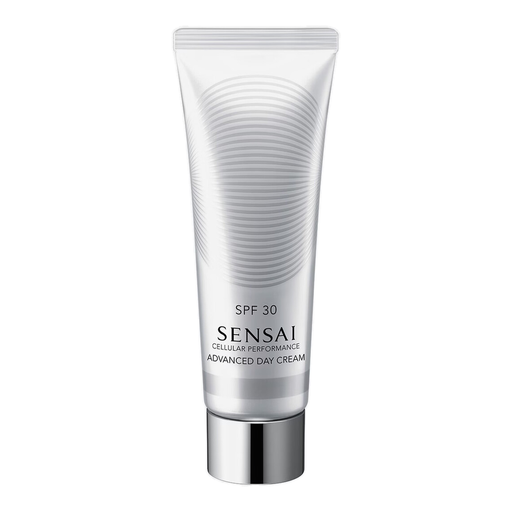
Why this fits the profile: For those who value a light texture and a polished morning routine, this is a cream for all skin types with SPF 30 and, according to the product information, a fast-absorbing formula.
The product details specifically mention texture, skin type and SPF. The ingredients list contains fragrance and alcohol; people with sensitive skin should check this beforehand.
SPF 30, 50 ml, for facial use and a light cream texture.
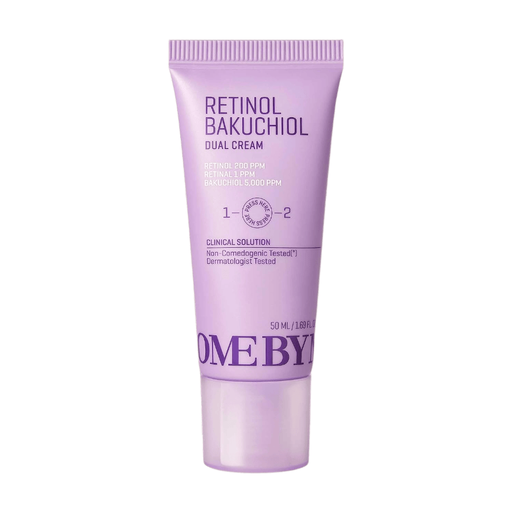
Why this fits the profile: This night cream is aimed at users who consciously want to incorporate retinol and bakuchiol into their routine. The formula also contains niacinamide, ceramide NP and panthenol.
The usage instructions mention gradual introduction, patch testing and daily sun protection. This helps prevent starting too quickly with an active ingredient.
50 ml, for night-time use and a formula with retinol, retinal, bakuchiol and niacinamide.
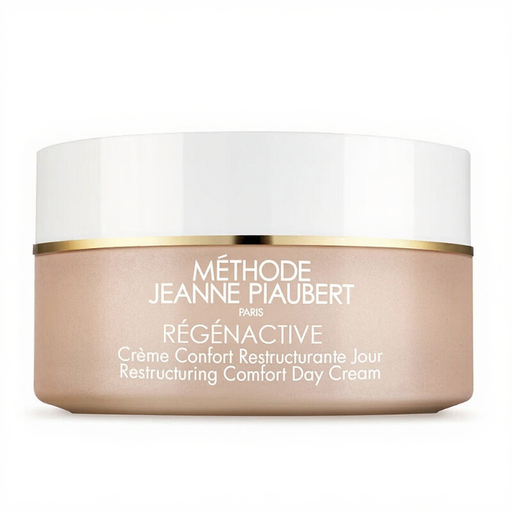
Why this fits the profile: The product details target this day cream at dry skin and mention a rich, melting texture that absorbs quickly. That suits anyone who wants to tackle dryness and a tight feeling.
The skin type indication is clear. No SPF is stated, so use suitable sun protection during the day as well.
50 ml, aimed at dry skin and with shea butter, glycerine and soothing emollients in the ingredients list.
We’ve put together a full, up-to-date list of products that fully meet these strict selection criteria and comply with current European safety regulations.
There is no fixed starting age. From around 30, many people choose a simple routine with hydration and daily sun protection. For fine lines, dryness or loss of firmness, you can add a targeted face cream for wrinkles. Look primarily at your skin’s needs, not just an age label.
A 50 ml pack can last for several weeks to months with daily use. That depends on the amount per application, the number of times you use it and whether you care for your face, neck and décolleté. Always check the symbol for the period after opening and the best-before information on the packaging.
Yes, but retinol is generally recommended for the evening. The next morning, use a day cream with SPF or a separate broad-spectrum sun protection. Build up retinol gradually, avoid contact with the eyes and follow the brand’s warnings. If you are pregnant or breastfeeding, have an allergy or experience persistent irritation, it’s wise to consult a healthcare professional.
