
Vandaag of morgen in huis

Kwaliteit gegarandeerd

Welkomstaanbiedingen ontgrendelen: GRATIS bezorging | Tot 80% korting | Gratis 30 dagen JoyPlus-proefperiode
Download de app
Wrinkles, fine lines, dryness and loss of firmness don’t all call for the same approach. A rich cream can feel lovely on a dry or mature skin, but may be too heavy for combination or acne-prone skin. An active formula with retinol or acids can be appealing, but it requires a gentle introduction and good sun protection.
As Joybuy’s Product Recommendation Officer, I filter product information on practical points: skin type, ingredients, application and usage warnings. That way, you avoid paying for a flashy marketing claim alone.
Words like “lifting”, “regenerating” and “visibly younger” sound convincing, but they don’t automatically tell you how a product will work on your skin. According to a brand’s own research or communications, certain results may be reported, but that’s no guarantee for every user. So first look for verifiable information such as the ingredients list, volume and recommended usage.
A retinol cream, hyaluronic acid cream or ceramide cream may have a clear purpose, but the rest of the formula still matters. Glycerin, panthenol, squalane and ceramides can contribute to a comfortable skin feel. Fragrance, essential oils or exfoliating acids, on the other hand, may need attention if you have sensitive skin.
A day cream for wrinkles is often focused on hydration and comfortable wear under make-up. Some versions contain UV filters, but always check the stated SPF. A night cream for wrinkles usually has a richer texture and is intended as the last step in your evening routine. No cream automatically replaces a separate sun protection product when you’re outdoors for long periods.
Choose a light gel cream or lotion if your skin gets shiny quickly or feels sensitive to a heavy layer. A fuller moisturising cream often suits a dry skin, a cream for mature skin, or a tight-feeling complexion.
Also check the area of application. An eye cream for wrinkles is formulated for the skin around the eyes and doesn’t always replace a face cream. Do not apply these products directly into the eye.
Compare the volume: eye creams often contain 15 to 30 ml, while a face cream is usually around 40 to 50 ml. Check the packaging for the expiry date, batch information and the period after opening. The actual ingredients list on the physical packaging is leading when product information varies by production batch.
If you have sensitive skin, first test a small amount on a limited area of skin. Do not use cream on damaged or severely irritated skin. If redness, itching, swelling or a burning sensation occurs, it’s wise to stop; if symptoms persist, seek medical advice.
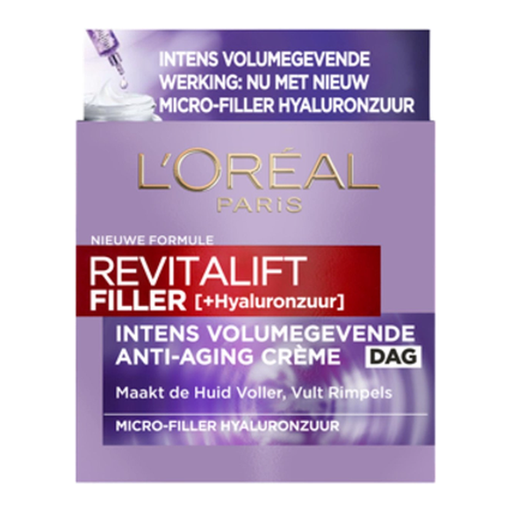
Why it fits the profile: A straightforward day routine with a 50 ml face cream. The product description mentions hyaluronic acid and use on face and neck.
The product information names the ingredient and the application, so you don’t have to rely solely on the term “filler”.
50 ml; intended for daily morning use; hyaluronic acid is listed in the product description.
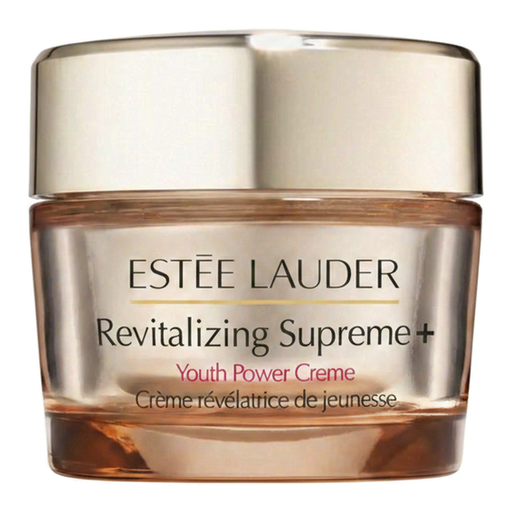
Why it fits the profile: Interesting for those who want to combine several concerns, such as hydration, radiance and a less firm skin feel.
The description mentions specific ingredients, including hyaluronic acid, moringa extract and hibiscus extract. The brand’s own research claims about results remain the brand’s claims.
50 ml; suitable for all skin types according to the product details; cream texture for the face.
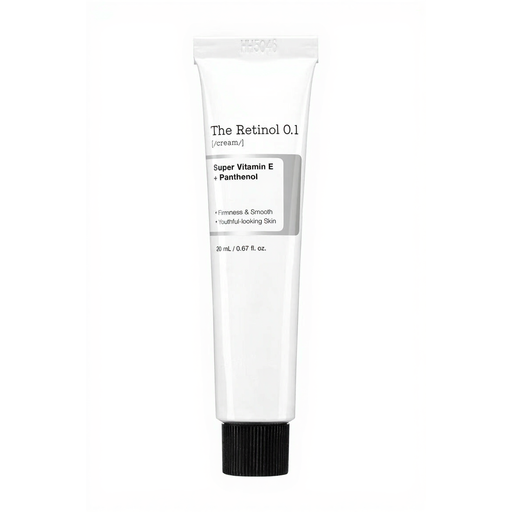
Why it fits the profile: For users who consciously want to add a retinol cream to their routine and are willing to build up the frequency gradually.
The stated concentration of 0.1% makes comparison easier. The product description also mentions hyaluronic acid and panthenol.
0.1% retinol; 20 ml; according to the product information it also contains moisturising ingredients.
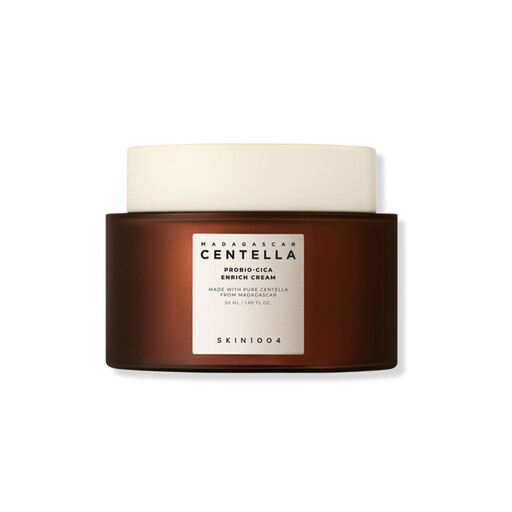
Why it fits the profile: The formula contains glycerin, centella asiatica, shea butter and ceramide NP, making it a logical choice for those who value comfort and moisture retention.
The product details list ingredients and usage as the last step of the routine. “Suitable for sensitive skin” remains a product claim; therefore, perform a patch test first.
50 ml; contains ceramide NP; the product information states a vegan and cruelty-free formula.
We’ve put together a full, up-to-date list of products that fully meet these strict selection criteria and comply with current European safety regulations.
A cream can make the skin feel temporarily smoother or more comfortable thanks to hydration and a soothing texture. Don’t expect identical results on every skin and don’t judge a product after a single application.
There is no fixed starting age. From around 30, many people choose extra hydration and protection against dryness or fine lines. Look primarily at your skin’s needs, not just the number on the packaging.
That can vary from person to person. Start with a low concentration and don’t use the product daily from the first time. Initially combine it with a simple moisturising cream and stop if irritation occurs. Always follow the label.
That depends on the volume, the amount used per application and the frequency. A 50 ml pot used daily on face and neck generally lasts longer than a 20 ml tube used on multiple areas. Also check the expiry date and period after opening on the packaging.
