
Vandaag of morgen in huis

Kwaliteit gegarandeerd

Welkomstaanbiedingen ontgrendelen: GRATIS bezorging | Tot 80% korting | Gratis 30 dagen JoyPlus-proefperiode
Download de app
Choosing an anti-ageing cream might seem straightforward, until you’re faced with terms like “lifting”, “rejuvenating”, “intensive repair” and “visible results”. On their own, these words say very little about the formula or how to use it. If you rely solely on the packaging, you could end up with a cream that’s too strong, doesn’t suit your skin, or simply gives a temporary smooth feel.
This guide will help you choose an anti-wrinkle cream, firming face cream or hydrating anti-ageing cream based on verifiable properties.
A brand may claim, based on its own research or consumer reviews, that a product visibly reduces wrinkles. That’s no guarantee every skin type will get the same result. So pay attention to the ingredients list, concentrations, usage instructions and any test conditions.
A cream can make skin look temporarily smoother thanks to moisturising ingredients or film-forming agents. That can be pleasant, but it’s different from a formula used long-term for a specific skin need.
A retinol cream can be interesting for fine lines, but retinol is an active ingredient that can cause redness, dryness or peeling. Start gently, for example a few evenings a week, and use a sunscreen during the day. Don’t just combine several retinol, AHA or BHA products.
According to the product information from, the Retinol 0.3 Cream should be used in the evening, with a patch test beforehand. If you are pregnant or breastfeeding, it’s wise to consult a healthcare professional.
A day cream for wrinkles should primarily feel comfortable under sun protection or make-up. A night cream for wrinkles can be richer and doesn’t need to contain SPF. A product with SPF is handy for daytime, but it doesn’t automatically replace a full sunscreen routine when you’re outdoors for long periods.
Don’t just look at the name on the front. Check which ingredients are actually mentioned:
The position of an ingredient in the ingredients list gives an indication of the amount, but doesn’t always reveal the exact concentration. Only an explicitly stated concentration, such as 0.1% or 0.3% retinol, can be directly compared.
A rich cream may be better suited to dry or mature skin, while a gel cream can be more pleasant for combination or oilier skin. Rilastil HYDROTENSEUR is described as a light gel cream for sensitive and combination skin. Sensilis Upgrade AR is intended for dry, sensitive and normal skin and can be used during the day or evening.
Also pay attention to fragrance. If you react quickly to scents, you might consider a fragrance-free option, such as Clinique Smart Clinical Repair. Always check the current packaging, as formulations can change.
Check:
A 50 ml jar and a 30 ml pump bottle are not directly comparable in terms of content or duration of use. The amount needed per application also determines how long a product lasts.
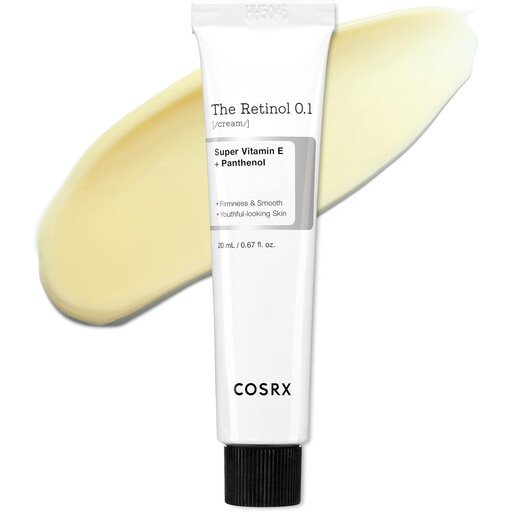
Why this profile fits: The product information states 0.1% retinol and is aimed at beginners. This makes the concentration easy to check for anyone wanting to start gently.
The stated concentration means you don’t have to rely on a vague “retinol” claim. Start according to the instructions and use SPF during the day.
0.1% retinol, panthenol and a 20 ml content; intended for face and neck.
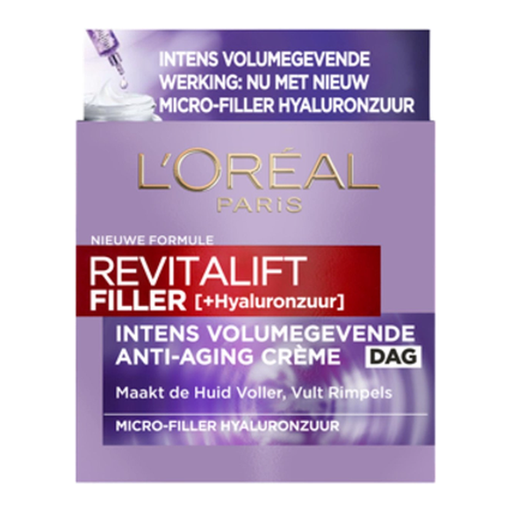
Why this profile fits: This day cream lists hyaluronic acid and, according to the product description, is intended for morning use on the face and neck.
You choose a clearly labelled day formula instead of using a night cream under make-up.
50 ml, hyaluronic acid in the formula and a texture that, according to the description, is quickly absorbed.
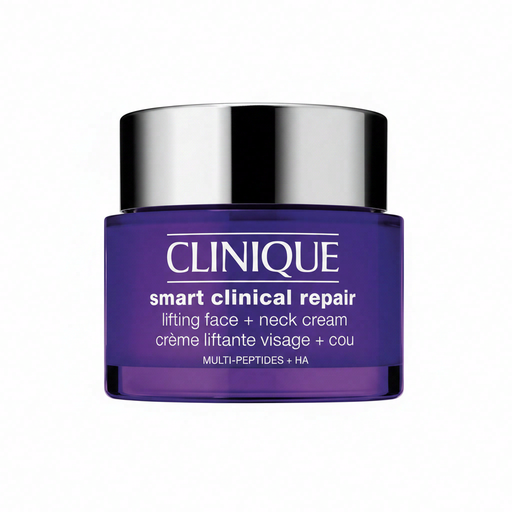
Why this profile fits: The product details mention a fragrance-free formula, SPF 30 and use for all skin types.
The SPF and fragrance-free specification are concretely stated, so you have to rely less on general terms like “mild”.
75 ml, SPF 30, fragrance-free and, according to the product data, suitable for face and neck.
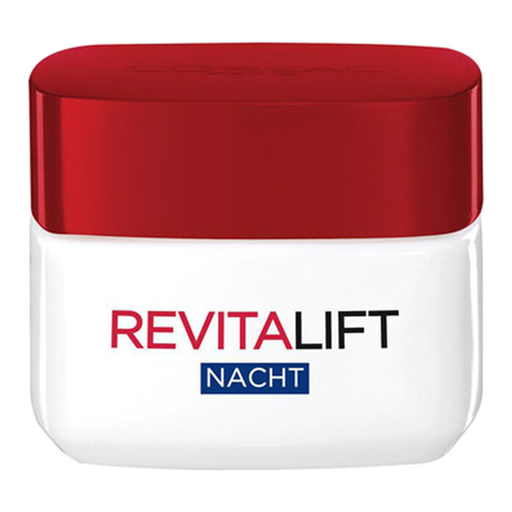
Why this profile fits: The product description mentions Pro-Retinol and use in the evening. The rich cream is intended for the face and neck.
You use the retinol formula in the evening and don’t confuse it with a day cream. Check the packaging for the current instructions.
50 ml, Pro-Retinol according to the product description and a specific night-time use.
Browse a current selection of facial contour creams and compare formulas, content, skin type and time of use before you order.
Cleanse the skin and then apply a small amount of cream. Use retinol products preferably in the evening and build up use gradually. Apply a broad-spectrum sunscreen during the day when using a retinol product. Test a new product on a small area of skin first and stop if irritation persists.
A cream for mature skin doesn’t have to be automatically heavy or strongly fragranced. Look at comfort, moisturising ingredients, fragrance, texture and the areas where you want to use the product. For the eye and lip contour, a specific product, such as Weleda Blue Gentian & Edelweiss Eye and Lip Redensifying Contour, is more practical than a general face cream.
Start with a few evenings a week and only increase when your skin tolerates it well. Always follow the product instructions. Use sun protection during the day and don’t combine several strong active ingredients without preparation.
The shelf life is stated on the packaging. Pay attention to the expiry date and the symbol for the period after opening. Store the cream in a cool, dry place away from direct sunlight. With retinol, a well-sealed container is especially important.
No. Compare the ingredients, concentrations, quantity, SPF, fragrances, packaging and the recommended use. A simpler product that suits your skin type and routine can be more practical than a more expensive formula you don’t use consistently.
