If you mainly want to cut down on sugar with your tea, aniseed sprinkles aren’t necessarily the answer: according to the Netherlands Nutrition Centre, a 15 g serving contains 11.9 g of sugar. A biscuit labelled ‘no added sugar’ or ‘sugar-free’ is another option, but compare the nutritional information per serving and check for sweeteners and allergens. Choose aniseed sprinkles when you’re buying them for their aniseed flavour and use as a topping.
Who is this choice relevant to?
Tea drinkers watching their sugar intake
You’re looking for something sweet to enjoy with your tea and want to compare the sugar content. Aniseed sprinkles aren’t a biscuit alternative: the Netherlands Nutrition Centre lists 11.9 g of sugar in a 15 g serving.
Aniseed and tradition lovers
You want the aniseed flavour of traditional Dutch sprinkles, which you use as a topping on crispbread or bread. That’s different from eating a biscuit with your tea.
Careful label readers
If you have a milk or wheat allergy, or carbohydrates and sweeteners matter to you, the ingredients, nutritional information and warnings are more important than a claim on the front of the pack. The product information for De Ruijter Gestampte Muisjes lists milk and wheat.
What should you look for when choosing?
First decide whether you want an aniseed-flavoured topping or a biscuit to enjoy with your tea. Then compare any sugar claim with the nutritional information for the serving you plan to eat.
Aniseed sprinkles
Choose these when: You want an aniseed flavour and a topping for crispbread or bread.
Consider: They’re not a tea biscuit; according to the Netherlands Nutrition Centre, 15 g of sprinkles contains 11.9 g of sugar.
Biscuits with a sugar claim
Choose this option when: You’re looking for a biscuit and want to compare products that claim to contain no added sugar or no sugars.
Consider: ‘No added sugar’ doesn’t mean ‘sugar-free’; check for sweeteners and warnings too.
| What to consider |
What to check before buying |
Who it matters to |
| Sugars and claims |
Compare ‘of which sugars’ per 100 g and per serving you plan to eat. Check whether the pack says ‘no added sugar’ or ‘sugar-free’. |
I want something to enjoy with my tea and mainly want to know how much sugar my serving contains. This is the main consideration for around 50% of consumers. |
| Flavour and product type |
Check whether you’re buying an aniseed-flavoured topping or a biscuit you can eat straight away. |
I specifically want to serve aniseed sprinkles on crispbread or bread, not have a biscuit with my cup of tea. This is the main reason for choosing a product for around 30% of consumers. |
| Ingredients and warnings |
Check the current packaging for allergens, carbohydrates, sweeteners and usage warnings. |
I need to be able to assess which ingredients and warnings are relevant to me. This is the top priority for around 20% of consumers. |
Common mistakes
-
Thinking aniseed sprinkles are a low-sugar tea biscuit
Aniseed sprinkles are a flavoured topping, not a biscuit. The Netherlands Nutrition Centre lists 11.9 g of sugar per 15 g serving.
Choose them for their flavour and how you’ll use them. If you want to compare biscuits by sugar content, check the nutritional information per serving.
-
Relying on the sugar claim alone
Albert Heijn lists both ‘0% added sugar’ and naturally occurring sugars for Verkade San Francisco Zero. So the claim alone doesn’t tell you how much sugar your serving contains.
As well as the claim, check the ‘of which sugars’ line, the ingredients and the serving size.
-
Overlooking allergens on the packaging
The product information for De Ruijter Gestampte Muisjes lists milk and wheat. If you need to avoid these allergens, it’s important to check the information for the specific product.
Check the current packaging every time you buy the product, before using it.
-
Ignoring warnings on biscuits containing sweeteners
Albert Heijn’s product information for Verkade San Francisco Zero and Céréal Chocolate Chip Cookie warns that excessive consumption may have a laxative effect.
Read the ingredients and warnings, and decide what serving size you want to offer. A sugar claim isn’t a reason to eat as much as you like.
Brands worth considering
De Ruijter
Worth considering if you’re looking for aniseed-flavoured sprinkles.
- Jumbo lists De Ruijter Gestampte Muisjes in a 270 g pack.
- The listed ingredients include sugar and glucose syrup; the product information also lists milk and wheat.
Verkade
Verkade San Francisco Zero is a biscuit to consider if you’re specifically looking for a ‘0% added sugar’ claim.
- Albert Heijn lists the ‘0% added sugar’ claim for this product.
- The same product information mentions naturally occurring sugars and sweeteners, as well as a warning about excessive consumption.
Céréal
Céréal Chocolate Chip Cookie is worth considering if you’re looking at a biscuit with a ‘sugar-free’ claim.
- Albert Heijn describes it as a biscuit with cocoa and chocolate chips.
- The product information lists a sweetener and warns that excessive consumption may have a laxative effect.
Albert Heijn
As a retailer, Albert Heijn provides product information that lets you compare different sugar claims on biscuits.
- The product information for Verkade San Francisco Zero and Céréal Chocolate Chip Cookie shows two different claims.
- Compare the claims for each individual product and check the current packaging before buying.
Biscuits and biscuit bars on Joybuy
These are ready-to-eat biscuits and biscuit bars to consider alongside aniseed sprinkles. They don’t all carry the same sugar claim, so compare the current nutritional information and recommended serving for each product.
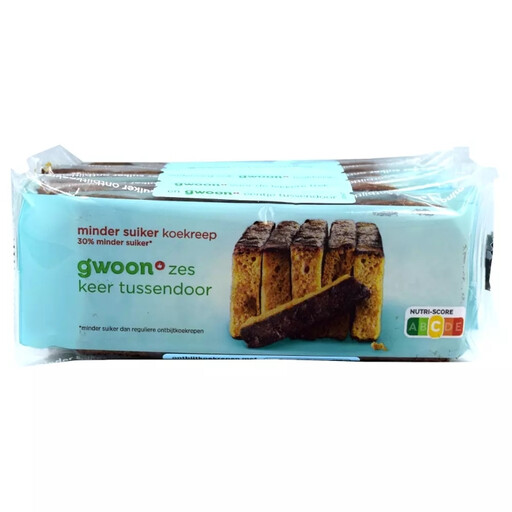 Image unavailable
g'woon Cookie Bars Less Sugar, pack of 6
A biscuit bar for when you want something ready to eat with your tea. Compare the ‘Less Sugar’ claim with the current nutritional information and the amount you eat; the product name alone doesn’t tell you how much less sugar it contains.
View at Joybuy
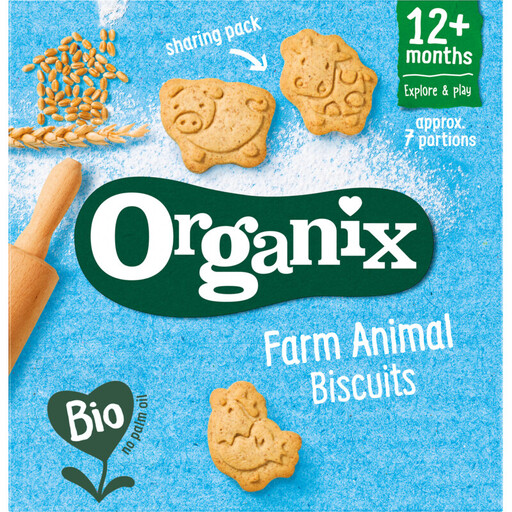 Image unavailable
Organix Bio Farm Animal Biscuits, 100 g
Biscuits to consider if you’re specifically looking for a product with no added sugar. The product description is aimed at babies aged 12 months and over, and also lists sugars. So don’t automatically treat these as an everyday tea biscuit or as sugar-free. Compare the nutritional information per serving.
View at Joybuy
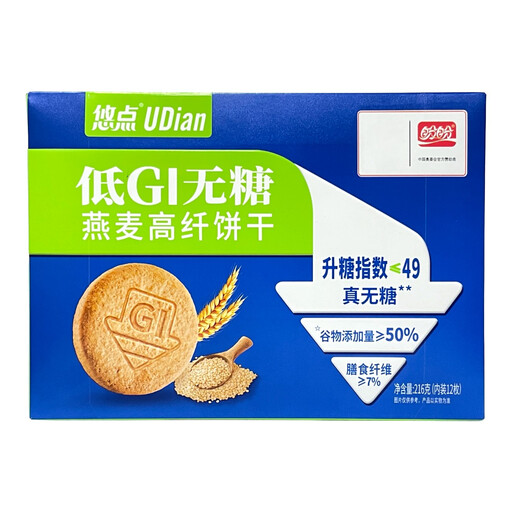 Image unavailable
Panpan Oat Biscuits, 216 g
A biscuit option if you’re looking for something ready to eat. The ‘sugar-free’ claim in the product name doesn’t match the sugars listed in the nutritional information, so don’t rely on the claim and check the current label. Check the ingredients and allergens too if they’re relevant to your choice.
View at Joybuy
Frequently asked questions
Are aniseed sprinkles a good choice if I want less sugar with my tea?
Not if cutting down on sugar is your main reason for buying them: according to the Netherlands Nutrition Centre, 15 g of sprinkles contains 11.9 g of sugar. Choose them for their aniseed flavour and use as a topping; for a biscuit, compare the sugar content per serving.
Does a biscuit with no added sugar contain no sugars at all?
No. Alongside the ‘0% added sugar’ claim, Albert Heijn also lists naturally occurring sugars for Verkade San Francisco Zero. Check the nutritional information to see how much sugar the biscuit contains.
Can I eat as many biscuits as I like if they’re labelled ‘sugar-free’?
No. Albert Heijn’s product information for Céréal Chocolate Chip Cookie warns that excessive consumption may have a laxative effect. Check the ingredients, nutritional information and serving size rather than relying on the claim alone.
Which allergens should I check in aniseed sprinkles?
The product information for De Ruijter Gestampte Muisjes lists milk and wheat. Check the current packaging for the product you’re buying, especially if you need to avoid either of these allergens.


