Choose traditional aniseed sprinkles for their aniseed flavour and as a small topping, rather than assuming they’re the obvious choice if reducing sugar is your main priority. Albert Heijn and Jumbo list 79 g of sugars per 100 g for De Ruijter’s pink-and-white and crushed aniseed sprinkles respectively. If you’re looking for a snack for a study break, compare alternatives within the same product category by sugars per 100 g and per serving. A muesli bar is a different type of product, not a variation on aniseed sprinkles.
Who is this choice for?
Student keeping an eye on sugar
You’re looking for something sweet to enjoy during a study break, but want to be able to compare products by their sugar content. As the Voedingscentrum explains, the nutrition table per 100 g is more useful for this than a category name.
Fan of traditional aniseed sprinkles
You’re mainly after the aniseed flavour and crunch of sprinkles on bread, crispbread or yoghurt. If you use them as a topping, consider how much you’re having and check the sugars and allergens in your chosen variety.
Shopper checking allergens
You read the ingredients and allergen information before choosing a topping. The product information for the De Ruijter aniseed sprinkles reviewed lists ingredients including sugar and wheat starch; always check the label of the exact variety you’re buying.
What should you look for when choosing?
First decide whether you want aniseed sprinkles as a topping or a snack for your study break. If reducing sugar is your priority, comparing nutrition information between products of the same type gives you the clearest picture.
| What to consider |
What to check when buying |
Who it matters to |
| Less sugar |
Compare ‘of which sugars’ per 100 g within the same product category, then consider the serving you’ll use. |
I want something sweet while studying, but sugar content should guide my choice; around 46% of consumers say that demonstrably reducing sugar is their priority. |
| Snack or topping |
Decide what type of product you’re looking for. For snacks, check the nutrition information, including fibre, protein and saturated fat. |
If you want something to eat on its own during a study break, you need something different from a sweet topping for crispbread. For around 36% of consumers, finding a suitable snack is their first priority. |
| Aniseed flavour and how you’ll use it |
Check the variety of aniseed sprinkles, the serving size and the allergens on the packaging. |
I want the aniseed flavour and crunchy texture on bread or yoghurt, even if reducing sugar isn’t my first priority; around 18% of consumers prioritise this kind of use. |
Common mistakes
-
Assuming traditional aniseed sprinkles are a lower-sugar choice
Albert Heijn lists 79 g of sugars per 100 g for De Ruijter’s pink-and-white aniseed sprinkles, and Jumbo gives the same figure for the crushed variety. The colour or the small amount you use doesn’t change the nutrition information per 100 g.
If reducing sugar is your main priority, compare alternatives of the same product type first. Choose aniseed sprinkles when you’re mainly after their flavour and use as a topping.
-
Relying on the name of a sugar-conscious category
A category for sugar-conscious products may include different types of toppings and snacks. The category label doesn’t tell you how much sugar is in a specific pack.
Check the ingredients and ‘of which sugars’ per 100 g on the label of the exact variety; then consider the serving you plan to use.
-
Overlooking allergens in a sweet topping
The product information for the De Ruijter aniseed sprinkles reviewed lists wheat and cereals containing gluten. You can’t tell from their appearance whether they contain these allergens.
Before buying or using them, read the allergen information on the packaging of your chosen variety, even if you’ve used other aniseed sprinkles before.
Brands and shops to consider
De Ruijter
De Ruijter sells several varieties of aniseed sprinkles, including crushed, pink-and-white and blue-and-white. They’re a sweet topping made from aniseed coated in sugar.
- The varieties are designed to be used as a topping, for example on crispbread, bread or yoghurt.
- Albert Heijn and Jumbo list 79 g of sugars per 100 g for the pink-and-white and crushed varieties respectively; check the nutrition information for the variety you choose.
Albert Heijn
Albert Heijn features De Ruijter aniseed sprinkles in its aniseed sprinkles category and also has a separate category for sugar-conscious products.
- The product information for the pink-and-white variety lists its ingredients and sugars per 100 g.
- Chocolate sprinkles labelled as lower in sugar are a different type of product from aniseed sprinkles; check the nutrition information for the specific product.
Jumbo
Jumbo stocks De Ruijter aniseed sprinkles and also has a separate category for sugar-conscious products.
- For De Ruijter crushed aniseed sprinkles, Jumbo lists 4,7 g of sugars per 6 g serving, as well as 79 g per 100 g.
- The sugar content of crushed aniseed sprinkles doesn’t tell you how much sugar is in another product in the sugar-conscious category.
PLUS
PLUS describes De Ruijter’s blue-and-white aniseed sprinkles as aniseed coated in crunchy sugar, and also lists crushed aniseed sprinkles as a topping.
- This description helps you tell aniseed sprinkles apart from other types of sweet topping.
- A product description is no substitute for checking the nutrition table and allergen information on the packaging you choose.
A muesli bar as an alternative
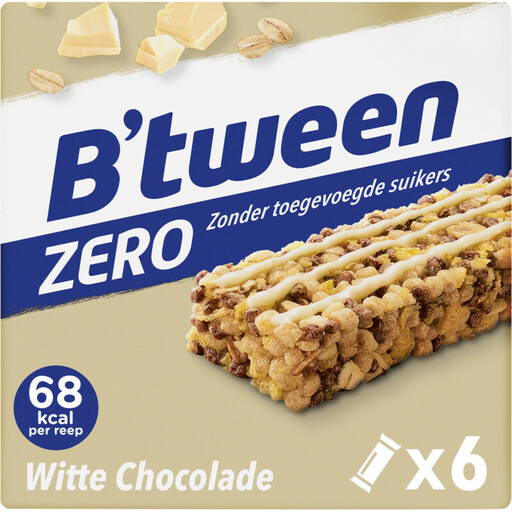
If you’re looking for a snack for a study break rather than aniseed sprinkles as a topping, this muesli bar is a different type of product to compare. Check the sugar content using the nutrition information on the packaging.
 No image available
Hero B'Tween Muesli Bar Zero White Chocolate, 120 g
A muesli bar to consider if you’re looking for a snack while studying, rather than a topping such as aniseed sprinkles. The pack contains 120 g; before comparing it with other products, check the sugars per 100 g and per serving on the current label.
The product information warns that excessive consumption may have a laxative effect. If you have allergies, also check the label for peanuts, milk and cereals containing gluten.
View at Joybuy
Frequently asked questions
Are traditional aniseed sprinkles a lower-sugar choice for studying?
Don’t assume so for the regular varieties reviewed: Albert Heijn lists 79 g of sugars per 100 g for De Ruijter’s pink-and-white aniseed sprinkles, and Jumbo gives the same figure for the crushed variety. If you’re mainly after the aniseed flavour, use them as a topping and keep an eye on how much you have. If reducing sugar is your main priority, compare other products too.
How do I compare a lower-sugar alternative?
First compare ‘of which sugars’ per 100 g across products of the same type, then consider the serving you’ll actually eat. According to the Voedingscentrum, nutrition information is shown on the label per 100 g or 100 ml; the ingredients list gives you further information about what the product contains.
Does the term ‘sugar-conscious’ tell me how much sugar a product contains?
No. A category name doesn’t tell you the sugar content of each individual product. Check the nutrition table and ingredients list for the exact variety rather than relying on the category name or packaging text alone.
What should I check if I avoid wheat or gluten?
Check the allergen information for the exact variety before buying or using it. The product information for the De Ruijter aniseed sprinkles reviewed lists wheat and cereals containing gluten; don’t rely on the name or colour to work out what they contain.


