
Vandaag of morgen in huis

Kwaliteit gegarandeerd

Welkomstaanbiedingen ontgrendelen: GRATIS bezorging | Tot 80% korting | Gratis 30 dagen JoyPlus-proefperiode
Download de app
An angle grinder is suitable for grinding metal, cutting through metal, working on stone, removing rust and sometimes polishing. Even so, many DIY enthusiasts buy a model that does not properly match the work they intend to do. A high wattage rating or a battery designation does not tell you everything about ease of use, accessories or suitable applications.
The following pitfalls are common:
A model rated at 220-240 V is suitable for a fixed workstation with a power socket. An electric angle grinder is generally practical for work in the garage or workshop, as you do not need to stop to change or recharge a battery.
A battery-powered angle grinder or cordless angle grinder gives you greater freedom of movement. Pay attention to the battery system, capacity and what is included. An 18V angle grinder supplied without a battery may appear good value, but the total purchase price will be higher if you still need to buy a battery and charger. If you already use a platform such as Einhell Power X-Change, Bosch Professional 18V or BLACK+DECKER POWERCONNECT 18V, buying the tool on its own may be the logical choice.
You should consider wattage in combination with the intended application. For occasional rust removal or light cutting, 500 to 850 W may be sufficient. For heavier work, models rated at 1,000 W or more offer additional reserve, but they may also be heavier.
A 125 mm angle grinder is a versatile size for metal, stone and general DIY tasks. The maximum disc diameter partly determines the possible grinding or cutting depth. For example, the Einhell TP-AG 18/125 CE Li Q Solo specifies a maximum grinding and cutting depth of 33 mm.
A 115 mm model is more compact and can be convenient when working on smaller surfaces. A 150 mm model may be worth considering for greater cutting depths, but always check disc compatibility and the instructions in the manual.
Speed is at least as important. An angle grinder with variable speed control can be better adapted to different materials and accessories. According to the product information, the Einhell TE-AG 125/1010 CE has an adjustable no-load speed of 4,000 to 12,000 revolutions per minute. A fixed speed is simpler, while variable speed offers greater control when grinding, removing rust and polishing.
Before buying, check whether the machine has:
A CE mark is visible on several models in this selection. This mark indicates that the manufacturer declares the product complies with the applicable EU requirements; it is not a substitute for using the product correctly. When grinding metal or stone, wear at least safety goggles, hearing protection and suitable gloves. Only use a grinding disc that is suitable for the material, diameter and maximum speed of the machine.
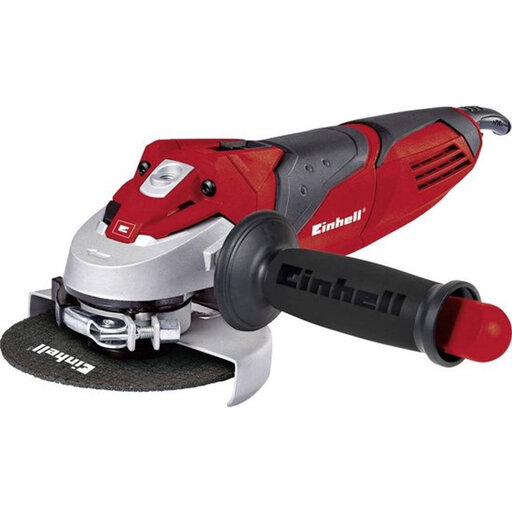
Why it suits this profile: This model offers mains power, 750 W and a 125 mm disc size for general tasks around the home, garage or hobby room.
The product information specifies a quick-adjust guard and an additional handle with three mounting positions. A grinding disc is not included, so you will need to budget for one separately.
125 mm disc, soft grip and spindle lock; the stated product weight is 1.85 kg.
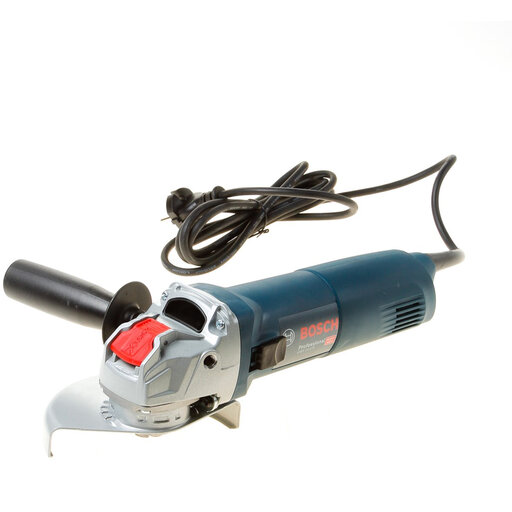
Why it suits this profile: For regular work, the combination of 1,400 W, 125 mm and a quick-change system can be practical in a workshop.
The X-LOCK system is designed for tool-free changes. However, check whether your existing accessories work with this mounting system.
The product description mentions Constant-Electronic, alongside a stated no-load speed of 11,000 min-1 and optimised motor cooling.
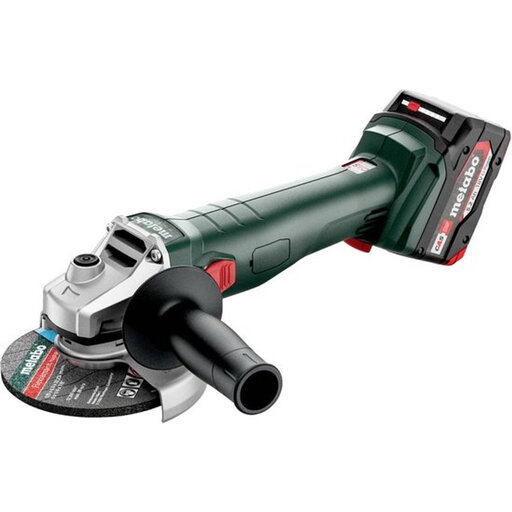
Why it suits this profile: This battery-powered model is ideal for users who work without a mains cable and value quick changes and additional safety features.
According to the product information, two 18 V 5.2 Ah batteries and a charger are included. This means you do not need to source the compatible power supply separately.
125 mm disc, stated product weight of 1.60 kg and Metabo Quick for tool-free changes.
We have put together a complete, up-to-date list of products that fully meet these strict selection criteria and the applicable European safety regulations.
Choose the grinding disc according to the material and the type of work. A cutting disc is designed for cutting and not for grinding sideways. Secure the workpiece, hold the machine with both hands and allow the disc to reach full speed first. Switch off the angle grinder before changing accessories and wait until the disc has come to a complete stop before putting the tool down.
Before each use, check the disc, guard, handle and mains cable or battery connection. Do not use a damaged or worn disc. Stone and concrete can release dust and grit; follow the instructions and use suitable eye, hearing and respiratory protection.
For occasional metal grinding or rust removal, a model with 500 to 850 W and a 115 or 125 mm disc is often sufficient. For cutting through metal and working for longer periods, a model from around 1,000 W or a battery-powered version with suitable capacity may offer more reserve. Always check that the chosen disc is suitable for metal.
That depends on your situation. If you already have batteries from the same platform, a tool-only model can be good value. If you do not have a battery and charger, you will need to include these costs. A cordless angle grinder does not use mains electricity while you are working, but the battery has a limited runtime and must be recharged.
Its service life depends on the workload, maintenance, storage and use of suitable accessories. Clean the ventilation openings, check the cable, guard and grinding disc, and avoid applying excessive pressure. For intensive use, overload protection, motor cooling and a robust gearbox housing are relevant specifications to compare.
