
Vandaag of morgen in huis

Kwaliteit gegarandeerd

Welkomstaanbiedingen ontgrendelen: GRATIS bezorging | Tot 80% korting | Gratis 30 dagen JoyPlus-proefperiode
Download de app
A good angle grinder is an indispensable tool for many jobs, from cutting metal pipes and removing rust to slicing through tiles. But the market is flooded with models vying for your attention with high wattages and flashy marketing terms. How do you choose the right one without wasting money? As a Product Recommendation Officer at Joybuy, I cut through the noise to help you make an informed choice. Let's look at the three most common pitfalls.
Before you choose a model, it's important to understand the common mistakes buyers make. Avoiding these errors will save you not only money but also a great deal of frustration.
cordless angle grinder offers fantastic freedom of movement. What's often overlooked is that you become locked into a specific battery platform. If you already own tools from a particular brand, it's wise to stick with that same platform. Otherwise, the cost of separate batteries and chargers can add up quickly.To avoid a poor purchase, it's essential to understand a few key technical specifications. These determine what the machine is truly suited for.
The power rating determines how easily the grinder moves through the material.
professional angle grinder for heavy, daily use often has 1200W or more.cordless angle grinder is ideal for jobs where there's no power outlet nearby.The diameter of the grinding disc determines the maximum cutting depth.
small angle grinder size is light and manoeuvrable, ideal for precision work and hard-to-reach places.125mm angle grinder is the most popular all-rounder. It's an excellent compromise between cutting depth and manageability, suitable for most jobs in and around the home.Modern angle grinders have features that make them safer to use. Look for:
Based on objective specifications, we have selected a few models that suit different user profiles.
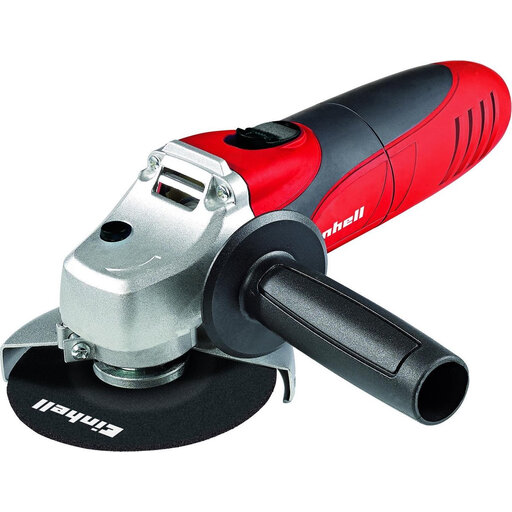
Why This Fits Their Persona: A no-nonsense machine for the DIYer who occasionally needs to shorten a metal strip, deburr a weld seam, or sand a rusty gate. No expensive frills, just a functional tool.
With 500W of power, you aren't paying for unnecessary force. It's a corded model, so there are no unexpected costs for batteries or chargers.
Lightweight and compact (115mm disc), making it easy to handle. The spindle lock simplifies disc changes.
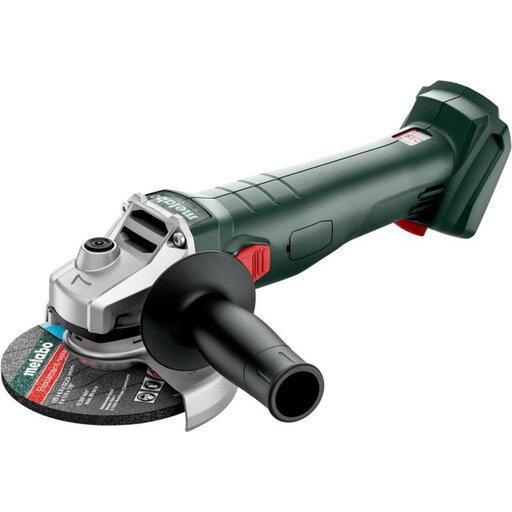
Why This Fits Their Persona: For the DIYer who wants freedom. Ideal for work in the garden, on the roof, or in places without power. The 125mm disc makes it suitable for the most common grinding and cutting jobs.
This model is part of Metabo's CAS (Cordless Alliance System) platform, meaning its batteries are interchangeable with many other brands. It also includes crucial safety features like an electronic soft start and safety shut-off.
Cordless freedom combined with a slim design and professional safety options. The Metabo Quick quick-locking nut allows for tool-free disc changes.
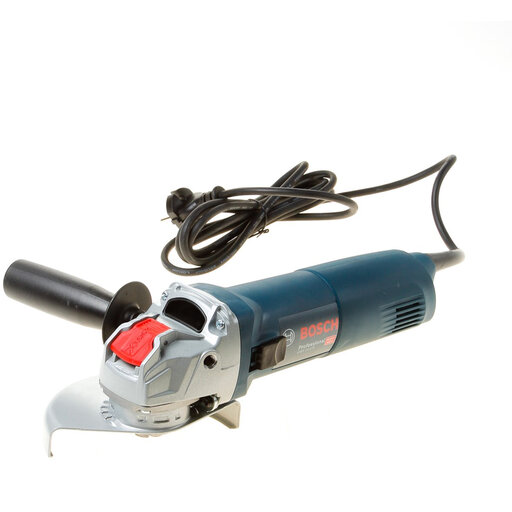
Why This Fits Their Persona: For the craftsman or serious DIYer who needs to rely on their tools daily. Its high power and durability are ideal for intensive use on the job site or in the workshop, such as cutting through rebar.
The high 1400W power rating isn't a gimmick here; it's a functional requirement. The Constant Electronic feature ensures the speed remains steady under load, which is essential for a clean, efficient result. This prevents the machine from bogging down in tough material.
The tool-free X-LOCK click system makes changing discs extremely fast and simple. The optimised motor cooling ensures the machine can handle high overloads.
We have compiled a complete, up-to-date list of products that fully meet these strict selection and safety criteria.
There is no difference. Angle grinder and side grinder are two names for the same tool. The term 'angle' refers to the position of the grinding disc, which is mounted at a right angle to the motor.
In principle, yes, but the effectiveness depends on the machine's power and the type of disc used. For occasionally cutting a thin pipe or bolt, a lighter model will suffice. For heavier work, like cutting thick metal, an angle grinder for metal with more power (e.g., over 1000W) and a high-quality cutting disc is recommended.
The runtime depends heavily on the battery's capacity (measured in Ah) and the intensity of the job. Heavy grinding consumes far more energy than light polishing. An 18V battery with 4.0Ah or 5.0Ah offers a reasonable amount of work time for most tasks. For professionals or for prolonged use, having a second, charged battery is practically indispensable.
