
Vandaag of morgen in huis

Kwaliteit gegarandeerd

Welkomstaanbiedingen ontgrendelen: GRATIS bezorging | Tot 80% korting | Gratis 30 dagen JoyPlus-proefperiode
Download de app
Buying a new Android smartphone seems straightforward until you start comparing specifications. A large screen, plenty of RAM and a high megapixel count may sound appealing, but they do not tell you everything about day-to-day use. For example, a phone may be heavy, incompatible with your network provider or less practical than the product page suggests.
Pay particular attention to these three common pitfalls:
A 5G smartphone must not only support 5G, but also be compatible with your provider’s frequency bands. Also check that the phone is genuinely unlocked and find out which SIM cards it accepts.
A dual SIM phone is useful if you use two numbers, for example for work and personal use or while travelling. Pay attention to the difference between two physical SIM cards and a combination of a SIM card and eSIM. Also check whether dual SIM and a microSD card can be used at the same time.
A smartphone with a good camera needs more than a high resolution. Important points include:
A smartphone with an AMOLED screen generally offers strong contrast and deep blacks. A refresh rate of 120Hz or 144Hz can make scrolling and gaming feel smoother, but it may also use more power. Brightness in nits is relevant when you use the screen outdoors.
Battery capacity is expressed in mAh, but battery life also depends on the processor, screen, software and network connection. A 5,000 to 6,000 mAh battery is not automatically comparable with one rated at 13,000 or 22,500 mAh.
For building sites, camping or outdoor sports, a rugged smartphone or rugged phone may be a suitable choice. In that case, check the stated classifications, such as IP68, IP69K or MIL-STD-810H. These ratings relate to specific test conditions; they do not mean that every phone will remain undamaged in all circumstances. Also consider the weight and dimensions. A highly rugged casing can make everyday use less comfortable.
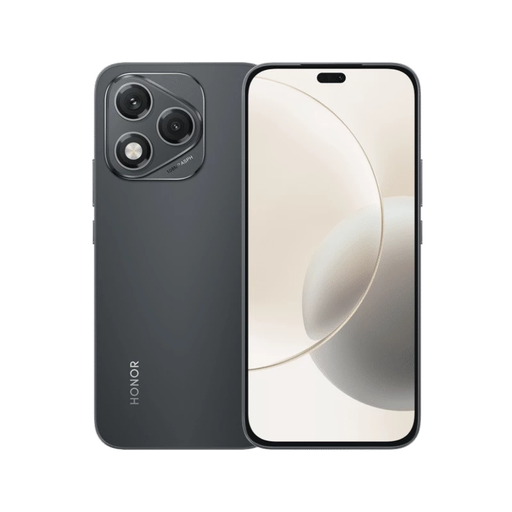
Why it suits this profile: This unlocked model combines 5G, dual SIM, NFC, 256GB of storage and an AMOLED screen in a relatively lightweight body weighing approximately 171 grams. It is well suited to everyday calls, streaming and photography without the bulk of an extra-large rugged phone.
The product information clearly states 8GB RAM, 256GB storage, a 5,230mAh battery and IP64. This allows you to assess storage, battery life and protection separately instead of relying solely on marketing terms.
108MP main camera, 6.7-inch AMOLED display, NFC and support for two SIM cards.
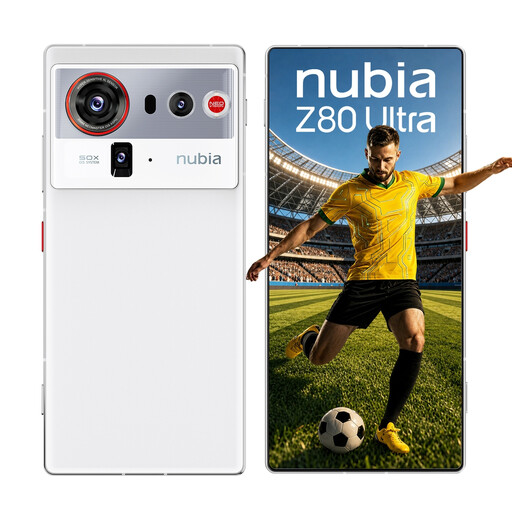
Why it suits this profile: This model is aimed at users who place a high value on performance, a smooth display and camera features. The listed combination of Snapdragon 8 Elite Gen 5, 16GB RAM, 512GB storage and dual SIM is well suited to intensive multitasking and mobile gaming.
The selection is not based solely on the number of megapixels. The product description also mentions a physical shutter button, 35mm optics, a 144Hz AMOLED screen and a stated peak brightness of 2,000 nits.
50MP triple camera, 6.85-inch screen with 144Hz, NFC, WiFi 7, wireless charging up to 80W according to the product listing, and advanced cooling.
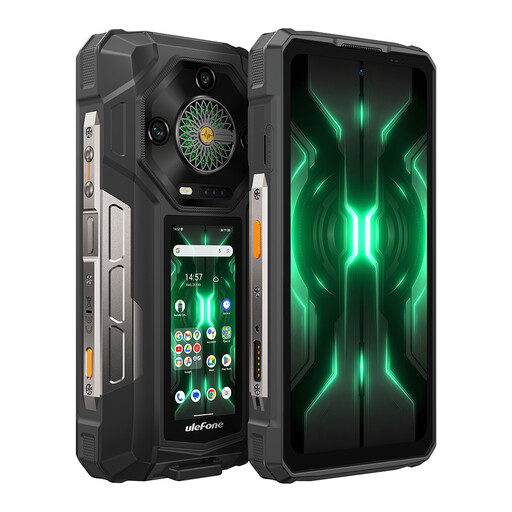
Why it suits this profile: This is a rugged phone for work, camping and situations where battery life and protection matter more than a compact design. The manufacturer states IP68, IP69K and MIL-STD-810H; always check that these specifications suit your intended use.
The weight of approximately 776.5 grams and dimensions of around 185.5 × 85.5 × 34mm are clearly stated. You can therefore see in advance that this is not a lightweight phone for everyday use in your trouser pocket.
22,500mAh according to the product information, 66W charging, two screens, 512GB storage, NFC, dual 5G and a 64MP night-vision camera.
If you film yourself with a smartphone, it can be difficult to see on the rear camera whether the image is straight. A vlog monitor for smartphone can send the image to a second screen, allowing you to check your framing and posture while recording. According to its product name, the SYNCO XView M4 is intended for iPhone 7–17 and Android. Before buying, check the required connection, compatibility with your phone and whether touchscreen control is supported.
A selfie monitor does not solve problems with lighting, microphones or storage. Think of it as a tool for checking your shot while filming, not as a replacement for setting up your camera properly.
We have put together a complete, up-to-date list of products that fully meet these strict selection criteria and the applicable European safety regulations.
No. Unlocked means that the phone is not tied to a specific provider. You should also check the supported 5G and 4G frequency bands, the SIM card configuration and whether your provider supports VoLTE and Wi-Fi calling.
Battery life depends on screen brightness, gaming, camera use, mobile data and software. A higher mAh capacity gives you an indication, but not a fixed usage time. Also check the charging speed and whether a charger is included.
NFC is useful for contactless payments, quick connections and certain access or identification applications. When using it for payments, check whether your banking app and device region are supported. An NFC smartphone is not automatically suitable for every payment function.
