
For listeners with an audible roommate
For anyone who wants to keep enjoying orchestral music when their roommate is talking or there’s background noise. How much sound is blocked also depends on the fit.


For listening to orchestral music in a shared bedroom, closed-back over-ear headphones with ANC are the more practical choice if conversations or background noise are disrupting your listening and you don’t want to disturb your roommate with speakers. RTINGS explains that open-back headphones leak sound and do little to block out ambient noise. ANC performance depends on the fit and won’t automatically block out voices completely, so try listening to speech and quiet passages with the headphones on.
For anyone who wants to keep enjoying orchestral music when their roommate is talking or there’s background noise. How much sound is blocked also depends on the fit.
Look for clear mids, controlled treble and a spacious sound, while also considering sound leakage in a shared room.
Consider the pressure from the headband and ear cushions, the seal and battery life with ANC on for longer listening sessions.
Choose this option: if conversations or background noise distract you while you’re listening to music in the same room.
Bear in mind: performance varies depending on the sound and fit; voices won’t automatically disappear completely.
Choose this option: only if the room is quiet and your roommate won’t mind being able to hear your music.
Bear in mind: RTINGS explains that open-back headphones do little to block out ambient noise and allow audio to leak.
| What to consider | What to look for | Especially important for |
|---|---|---|
| Blocking out room noise | Test the seal, including while wearing glasses, and compare how well each model deals with voices. | If I want to keep hearing quiet passages while someone else is talking in the room, I focus on the fit and how well voices are blocked. Around 36% of consumers make room noise their top priority. |
| Orchestral sound and leakage | Listen to quiet strings and loud passages. Ask someone else to check whether your music is audible at your usual volume. | If I want to assess the sound of orchestral music without disturbing the other person with audio leakage, I compare both sides of that trade-off. Around 29% of consumers prioritise orchestral sound and limited leakage. |
| Comfort during long listening sessions | Wear the headphones for more than a few minutes and check for pressure around your ears, glasses arms and the top of your head. | For a long listening session, I want to avoid pressure or a change in the seal affecting my comfort. Around 21% of consumers prioritise long-wearing comfort. |
| Connectivity and ease of use | Check that the connections work with your audio source and that you can easily operate transparency mode. | If I mainly need a suitable connection and simple controls, I compare these with the requirements of my audio source. Around 14% of consumers make practical use their top priority. |
According to RTINGS, open-back headphones do little to block out ambient noise and allow audio to leak. In a shared bedroom, this can affect both your listening and your roommate’s peace and quiet.
Only consider this type if the room is quiet and your roommate isn’t bothered by music leakage at your usual listening volume.
Noise reduction varies depending on the type of sound and also depends on how well the ear cushions fit. For example, glasses can affect the seal.
Compare how well each model handles voices and try the fit for yourself instead of relying on a general ANC label alone.
Claimed battery life can vary depending on the settings you use. Sony Netherlands lists up to 30 hours with NC on and up to 40 hours with NC off for the WH-1000XM6.
Compare wireless models on the same basis, and treat a maximum figure as a manufacturer’s claim rather than a guaranteed duration for every listening session.
A paid warranty plan doesn’t replace your right to a product that meets reasonable standards. The Dutch government explains that there is no fixed statutory warranty period in the Netherlands.
Check what additional cover a plan provides and contact the seller if a fault develops.
The closed-back WH-1000XM6 may be worth comparing if blocking out ambient noise is a priority.
The QuietComfort Ultra Headphones (2nd Gen) combine ANC with a cable input and app controls.
The MOMENTUM 4 Wireless and MOMENTUM 5 Wireless are separate ANC over-ear models to compare if you’re interested in sound settings and battery life.
The Tour One M3 is worth considering if you want to compare cable connections and adjustable sound alongside ANC.
This selection includes wireless over-ear headphones with noise cancelling for listening in a shared room. The Netherlands Enterprise Agency describes CE marking as a relevant EU product requirement. Before buying, check the marking and conformity information for the exact model.
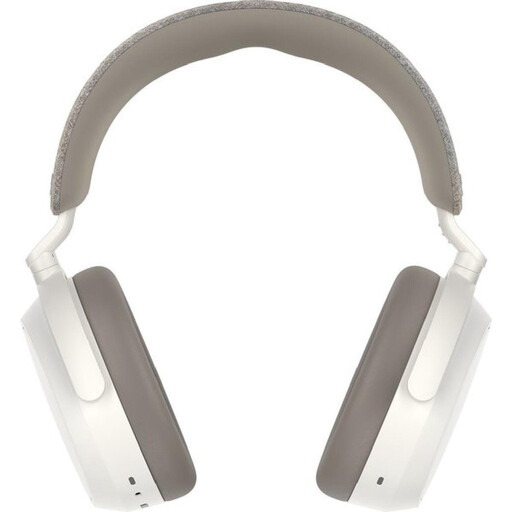 No image available
A good fit for anyone who wants to listen wirelessly and values sound settings and transparency mode.
The description lists adaptive ANC, transparency mode and an app with EQ, presets and sound modes.
 No image available
An over-ear option for anyone looking for noise cancelling when listening wirelessly.
The stated battery life is 24 hours.
 No image available
A good fit for anyone who wants to switch between ANC and transparency mode and adjust the sound settings.
The description lists ANC, transparency mode and EQ adjustments via the Bose Music app.
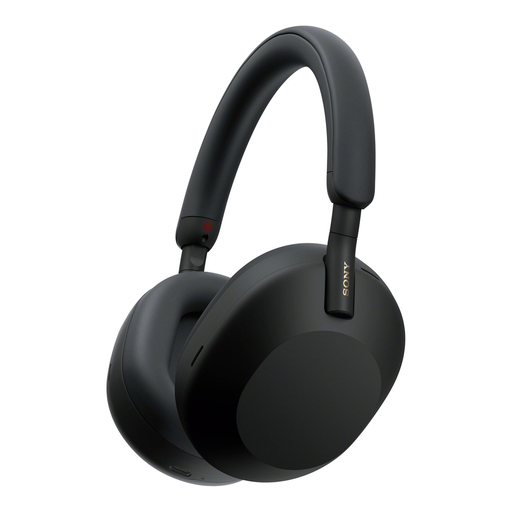 No image available
A closed-back over-ear model with ANC for anyone who wants to listen wirelessly in a shared room.
The description lists Speak-to-Chat, which pauses music when you start talking.
 No image available
A good fit for anyone who wants to combine ANC with a wired connection to an audio source.
The description lists a detachable cable with USB-C and 3.5 mm connectors, as well as Bose Immersive Audio. No charger is included; the description recommends a suitable 1.8–2.5 W charger and notes that PD fast charging isn’t supported.
Don’t count on it. Noise reduction varies depending on the sound and the fit, so compare how well each model handles voices and check whether you can comfortably follow quiet passages at a pleasant volume.
Keep the volume moderate and take breaks. The World Health Organization gives an average of 80 dB for up to 40 hours per week as an example of safe listening. It also recommends well-fitting noise-cancelling headphones to help reduce the temptation to turn up the volume. This is general listening guidance, not a recommended setting for a specific product.
You don’t need one to have statutory rights to a product that meets reasonable standards. The Dutch government states that there is no fixed statutory warranty period in the Netherlands. Assess a paid plan based on the extra cover it provides, and contact the seller if a fault develops.
For many distance sales made by a business, you have 14 days to change your mind. The Dutch government lists exceptions and makes clear that the same rules don’t apply to an online purchase from a private individual. Check which terms apply to your purchase.
For electronic ANC headphones sold in the Netherlands, the relevant CE conformity requirements apply. According to the Netherlands Enterprise Agency, the manufacturer declares through the CE marking that the product meets the applicable EU requirements. Check the marking and conformity information for the exact model.