
Listening around room noise
For anyone who wants to follow quieter choral passages while someone else is making noise. A good seal can help reduce background noise, but Sony warns that some sounds may still be audible.


Start with headphones or earbuds that fit well, then listen to a familiar choral recording at a comfortable volume with ANC on. ANC can reduce background noise, but it won’t necessarily block out conversations. The Dutch Consumers’ Association (Consumentenbond) points out that listening to music is also important when assessing headphones. If you need to respond to your roommate from time to time, easy access to an ambient sound mode is an added plus.
For anyone who wants to follow quieter choral passages while someone else is making noise. A good seal can help reduce background noise, but Sony warns that some sounds may still be audible.
Focuses on how clear the voices sound and the overall tone of a familiar recording, even with ANC switched on. Listen for yourself before making a sound feature the deciding factor; the Dutch Consumers’ Association includes listening tests in its headphone assessments.
Shares a room with someone they need to respond to regularly and wants to switch easily between listening and hearing what’s around them. Check that the ambient sound mode is easy to use.
| What to consider | What should you check? | Who should pay extra attention? |
|---|---|---|
| Reducing room noise | Test the fit and ANC with a familiar recording and, if possible, with noise similar to what you hear in your bedroom. | If I mainly want to hear less room noise, I’ll pay attention to the seal while bearing in mind that voices may still be audible. Around 36% of consumers in this group prioritise noise reduction. |
| How choral voices sound | Compare the same recording at a comfortable volume with ANC on; listen to both quieter and fuller passages. | If the blend and clarity of the voices matter most to me, I’ll listen for myself rather than relying on an ANC specification. Around 29% of consumers in this group prioritise the sound of choral music. |
| Fit during longer listening sessions | Try an over-ear model with your glasses, if you wear them; assess the pressure, warmth and seal. For earbuds, check that the ear tips fit comfortably. | If I’m listening for a long time, I want my headphones to stay comfortable and fit well. Around 21% of consumers in this group prioritise comfort over extended wear. |
| Staying available to talk | Try how quickly and easily you can switch between ANC and ambient sound. | If I need to respond to my roommate quickly, easy access to an ambient sound mode is important to me. Around 14% of consumers in this group prioritise staying in touch with their roommate. |
In a shared bedroom, conversations may still be audible and disturb quieter singing passages. Sony warns that some sounds may be heard even with noise cancellation on.
Check the fit and listen at a normal, comfortable volume to voices similar to the ones you hear in your room.
Manufacturers may quote battery life for different settings. For earbuds, the total playtime may also include the charging case.
Compare battery life figures on a like-for-like basis, such as per charge or including the case, and check which listening mode they apply to.
An additional service plan does not replace your statutory rights with the seller if a product is faulty or doesn’t meet requirements.
Check separately what is covered by your statutory rights and by any additional plan.
The MOMENTUM 4 Wireless is an over-ear model you can compare for ANC, adjustable sound and transparency mode.
The closed-back WH-1000XM6 is an over-ear option with ANC, an ambient sound mode and an audio cable connection.
The QuietComfort Ultra Headphones (2nd Gen) are an over-ear model you can compare for fit, ANC and connections.
The Tour One M3 is an over-ear option, while the Tour Pro 3 offers a separate in-ear design with ANC.
This selection includes over-ear headphones and in-ear earbuds with noise cancelling, so you can compare their fit and performance with choral music in a shared bedroom.
 No image available
An over-ear model with noise cancelling that you can try out with a familiar choral recording.
The product name states up to 60 hours of battery life.
 No image available
A true wireless in-ear option if you’d rather not wear a headband; check that the earbuds feel comfortable and create a good seal.
The product name describes true wireless in-ear earbuds with active noise cancelling.
 No image available
Bose QuietComfort Ultra headphones you can compare with other models for fit and how well they suit your listening routine.
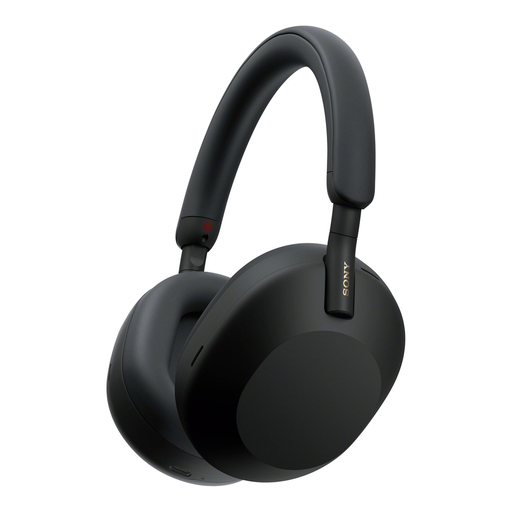 No image available
Wireless noise-cancelling headphones you can test with the same choral recording at a comfortable volume.
The product name specifies noise cancelling.
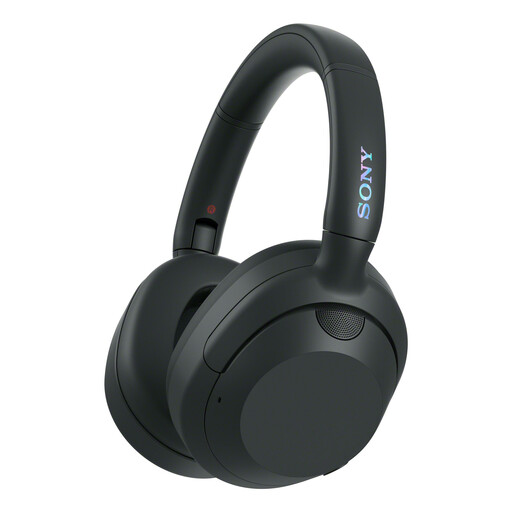 No image available
Over-ear noise-cancelling headphones you can try to assess the fit and noise reduction in your bedroom.
The product name specifies an over-ear design with noise cancelling.
No, don’t expect complete silence. Bose says that voices may still be audible with the QuietComfort Ultra Headphones (2nd Gen), and Sony also warns that some sounds may get through the noise cancellation. So compare the noise reduction with sounds similar to those you hear in your room.
Start with comfortable headphones and a comfortable volume. The World Health Organization recommends a good fit and noise cancelling to reduce the need to turn the volume up. Don’t raise the volume to drown out any voices that remain audible.
First, check the ANC setting and how the ear cushions or earbuds fit. For the QuietComfort Ultra Headphones (2nd Gen), Bose recommends checking that the cushions are attached correctly, among other things; glasses can affect the seal.
For online purchases, ACM ConsuWijzer says you generally have a statutory cooling-off period of up to 14 days after delivery, subject to exceptions that you should check before buying. Separately, statutory guarantees apply: if a product breaks sooner than you could reasonably expect under normal use, the seller is responsible for providing an appropriate solution free of charge.
Yes. Radio equipment placed on the EU market must comply with the European Radio Equipment Directive, which includes requirements covering health, safety and electromagnetic compatibility. A CE marking is the manufacturer’s declaration that the product meets applicable EU requirements; it isn’t a sound quality mark or proof that ANC works well.