
Vandaag of morgen in huis

Kwaliteit gegarandeerd

Welkomstaanbiedingen ontgrendelen: GRATIS bezorging | Tot 80% korting | Gratis 30 dagen JoyPlus-proefperiode
Download de app
A pineapple soft drink might seem like a simple purchase, but there’s a wide range to choose from. You’ll find sparkling pineapple drinks in small cans, PET bottles, glass bottles and large multipacks. Their nutritional values also vary considerably. If you only look at the picture or words such as “tropical” and “fruity”, you could end up buying a pack that doesn’t suit the way you’ll use it.
The main pitfalls are:
Cans of 190 to 370 ml are practical for individual use. They chill quickly, and you won’t need to store an opened pack. A 480 or 500 ml bottle is better for longer drinking occasions, but it should be kept chilled after opening and used within the period stated on the packaging.
A soft drink multipack can be better value for a household, party or stock cupboard. Compare both the total volume and the price per litre. A pack of 24 cans may look like better value, but it isn’t automatically cheaper than two smaller boxes.
Use the nutrition table as your standard point of reference. Pay particular attention to:
For example, Fernandes Super Pineapple lists 42 kcal and 10.4 grams of sugar per 100 ml. In a 330 ml can, that works out at around 138 kcal and 34.3 grams of sugar, based on the stated values. TING Pineapple Soda lists 18 kcal and 4.4 grams of sugar per 100 ml. The serving size still matters.
According to the product information, Monster Energy Ultra Gold is sold as a pineapple-flavoured energy drink with no sugar or calories. The table lists 2 kcal per 100 ml and 0 grams of sugar. This doesn’t make it the same as a regular pineapple lemonade: according to the label, the product contains 30 mg of caffeine per 100 ml. The product information advises against consumption by children, pregnant women, breastfeeding women and people who are sensitive to caffeine.
If you’re looking for a classic pineapple soda, check that the product is described as a carbonated soft drink. A pineapple drink or ade may be less fizzy and sometimes puts more emphasis on juice, sweeteners or other fruit flavours.
Also check:
According to the product information, none of the drinks listed below contain any of the 14 main EU allergens, but always check the current label. Product formulations and packaging can change. Claims such as “natural”, “refreshing” or “rich fruity flavour” are no substitute for checking the ingredients list.
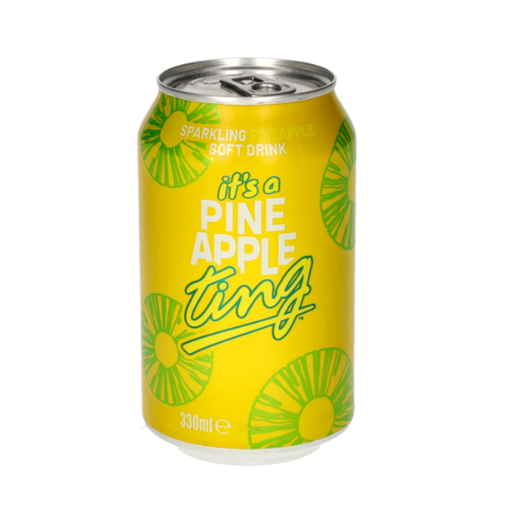
Why it suits this profile: A single 330 ml can is a straightforward way to try a pineapple-flavoured soft drink without committing to a large multipack.
The volume and nutritional values are clearly stated: 330 ml, 18 kcal and 4.4 grams of sugar per 100 ml, according to the product information.
A compact can, tropical pineapple flavour and a product variant with sugar and sweetener.
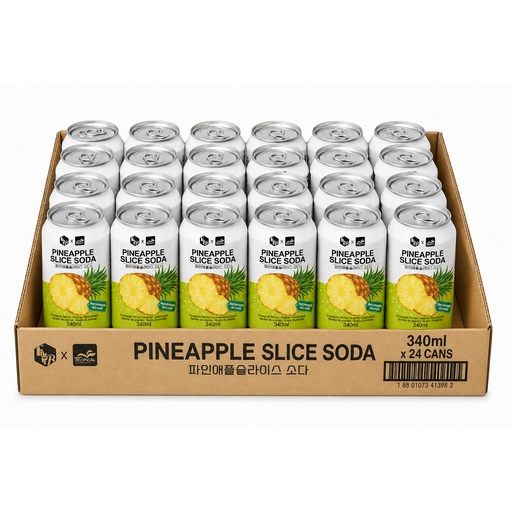
Why it suits this profile: This box of 24 340 ml cans is ideal for households that regularly serve international soft drinks or want to keep some in stock for visitors.
The number of cans and volume per can are clear upfront. According to the product information, each can also contains a slice of pineapple.
24 x 340 ml, with 51 kcal and 12.08 grams of sugar per 100 ml according to the stated nutritional values; ideal for sharing.
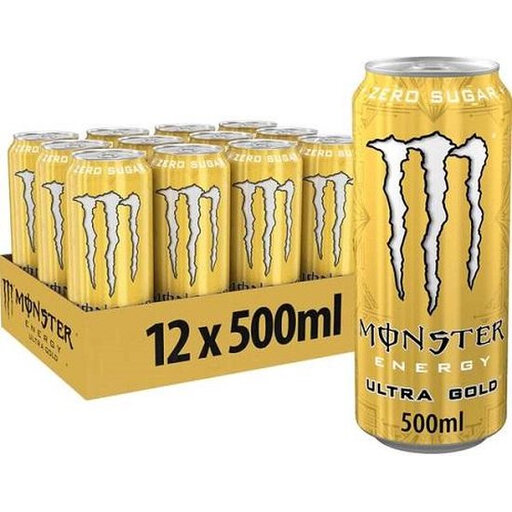
Why it suits this profile: This is an option for anyone specifically looking for a pineapple-flavoured energy drink and keeping its caffeine content in mind.
The product information clearly identifies it as an energy drink and states that it contains 30 mg of caffeine per 100 ml. That makes it hard to mistake for regular pineapple soda.
12 x 500 ml; according to the product information, 0 grams of sugar and 2 kcal per 100 ml. Be sure to check the caffeine warning.
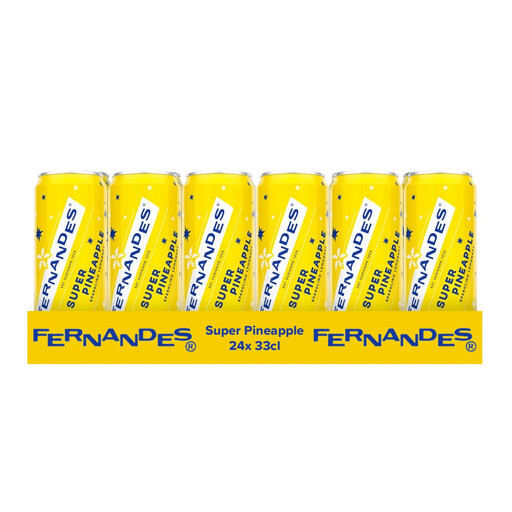
Why it suits this profile: A box of 24 slim cans is handy for birthdays, visitors or a household that often enjoys a tropical soft drink.
The multipack contains a set number of 330 ml servings. This makes it easy to compare the total volume and cost per can in advance.
24 x 330 ml and 42 kcal per 100 ml according to the product information; ideal for serving chilled.
We’ve put together a complete, up-to-date list of products that meet these strict selection criteria and the applicable European safety regulations.
No. A pineapple soft drink is usually a carbonated drink containing flavouring, sugar, sweeteners or a small amount of juice concentrate. Pineapple juice or a fruit drink is a different product type and may contain a higher proportion of fruit. So check the ingredients list and the legal product description.
It varies by product. TING lists 4.4 grams of sugar per 100 ml. According to the product information, Monster Energy Ultra Gold lists 0 grams of sugar, but it does contain caffeine and is therefore an energy drink. Always check the full nutrition table, as “sugar-free” doesn’t automatically mean free from sweeteners or other additives.
Keep an opened bottle or pack chilled and seal it securely. Drink it within the period stated on the label. Store unopened soft drinks in a cool, dry place, away from direct sunlight and excessive heat, as directed on the packaging.
