
Vandaag of morgen in huis

Kwaliteit gegarandeerd

Welkomstaanbiedingen ontgrendelen: GRATIS bezorging | Tot 80% korting | Gratis 30 dagen JoyPlus-proefperiode
Download de app
An amino acid supplement may seem useful for training, hydration, focus or topping up your daily intake. But products can vary considerably. One powder may contain mainly BCAAs, while another adds caffeine, electrolytes or vitamins. If you only look at the packaging or a striking claim, you could end up paying for ingredients that don’t suit your needs.
A formula containing lots of amino acids may sound comprehensive, but the amount of each ingredient can be limited. So check not only the total weight per serving, but also the individual doses. For a BCAA supplement, the amounts of L-leucine, L-isoleucine and L-valine are particularly relevant.
Some products are sold as pre-workout amino acids but also contain caffeine or plant extracts. That may suit you during the day, but be less suitable in the evening. If you’re choosing an energy supplement with caffeine, check the caffeine content per serving and the recommended maximum intake.
Brands’ claims don’t automatically guarantee the same results for everyone. According to Optimum Nutrition’s product information, vitamin C contributes to normal energy-yielding metabolism, while caffeine contributes to alertness and concentration. Treat this as information about the ingredients, not a medical promise. An amino acid supplement is also no substitute for a varied diet.
First, choose according to your goal:
Compare the dose in milligrams or grams, not just the number of scoops or capsules.
Powder is practical to use around a workout, but its flavour and how well it dissolves can determine whether you use it regularly. Capsules are easy to take with you, while a neutral amino acid powder can be added to water, yoghurt or a shake.
Also check the number of servings. For example, a 300-gram pack might contain 200 servings if the dose is small, while a larger serving will use it up more quickly. So work out the cost per use rather than looking only at the purchase price.
If you’re looking for a sugar-free amino acid option, check the ingredients list for sugar and sweeteners. The Essential Amin.O. Energy products state that they contain zero sugar and provide 100 mg of caffeine per serving. According to the product information, a maximum of one serving per day is recommended. If you’re sensitive to caffeine, it may be best not to use the product late in the day.
Also check:
If you’re pregnant or breastfeeding, have a medical condition or take medicines, it’s a good idea to speak to a doctor or pharmacist.
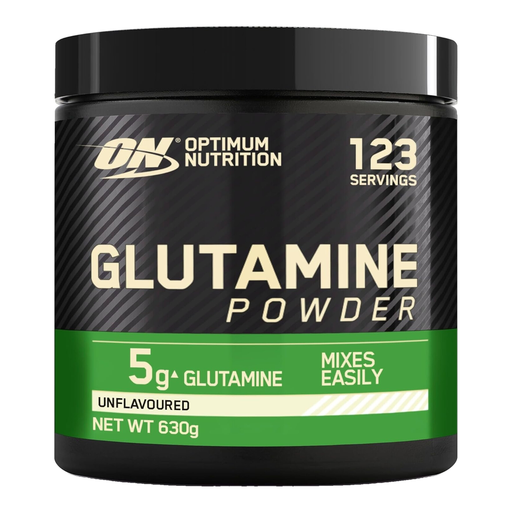
Why it suits this profile: An unflavoured, unsweetened powder with 5 g of L-glutamine per serving. You can mix it with water, a protein shake or a smoothie.
The formula is straightforward: one main ingredient and a clearly stated 5.25 g serving of powder.
630 g, unflavoured, and suitable for use after training, between meals or in the evening, according to the product information.
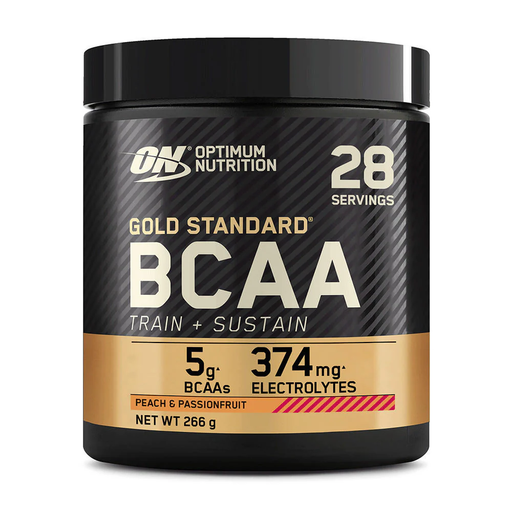
Why it suits this profile: Provides 5 g of BCAAs per serving in a 2:1:1 ratio, plus electrolytes, vitamin C, magnesium and zinc.
The BCAA ratio and dosage are clearly stated, so you don’t have to rely on the marketing name alone.
266 g, 28 servings, 374 mg of electrolytes per serving, and suitable for use before, during or after exercise.
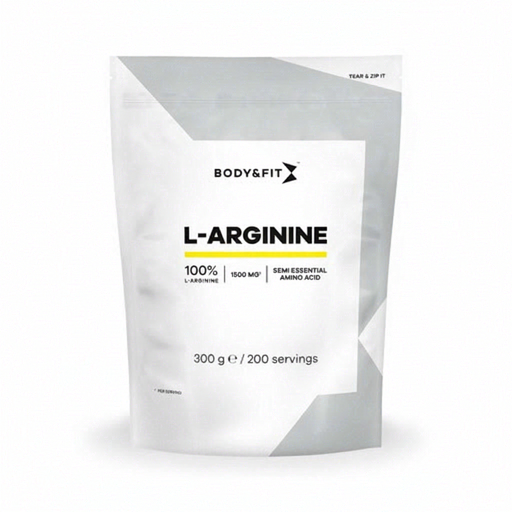
Why it suits this profile: A vegan, unflavoured powder made with 100% free-form L-arginine, providing 1,500 mg per serving.
There’s no unnecessary amino acid blend: according to the product information, the formula is 100% L-arginine.
300 g, around 200 servings, and easy to mix with 200 ml of water or another drink.
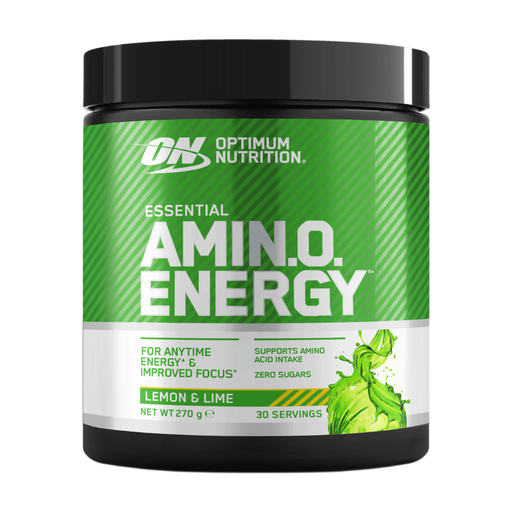
Why it suits this profile: Combines 5 g of amino acids with 100 mg of caffeine per serving, and is designed for use before training or during the day.
The caffeine content is stated per serving, so you can factor it into your total daily caffeine intake.
270 g, around 30 servings, zero sugar according to the product information, and 24 mg of vitamin C per serving.
We’ve put together a complete, up-to-date list of products that meet these strict selection criteria and current European safety regulations.
It depends on the product. According to the product information, BCAA powder can be used before, during or after training. A glutamine supplement is often used after exercise, between meals or in the evening. Always follow the dosage on the label and don’t take more than recommended.
Work it out using this formula: net weight ÷ amount per serving. A 270 g pack with a 9 g serving provides around 30 servings. A product with a small capsule or powder dose may last longer, but it doesn’t automatically contain more active ingredients per use.
Not necessarily. If you already eat a varied diet with enough protein, you’ll generally get amino acids from food. A supplement can be practical if you’re looking for a specific ingredient, flavour, serving format or time to take it. Before ordering, check the ingredients, allergens and warnings.
