
Vandaag of morgen in huis

Kwaliteit gegarandeerd

Welkomstaanbiedingen ontgrendelen: GRATIS bezorging | Tot 80% korting | Gratis 30 dagen JoyPlus-proefperiode
Download de app
If you exercise regularly, you may be looking for a convenient way to top up your daily protein and amino acid intake. Yet many amino acid supplements seem much the same. Colourful packaging, claims such as “premium” and a long ingredients list tell you little about whether a product is right for your diet.
So the most important question isn’t which product is promoted most heavily, but which type of supplement suits your goals, diet and training routine.
A product may contain ten or more amino acids, but only a small amount of each per serving. So always check the amount of amino acids per serving. For a BCAA supplement, for example, it’s worth checking how much leucine, isoleucine and valine it provides in total.
A blend can be convenient, but a targeted amino acid powder such as L-glutamine or L-arginine makes it clearer exactly what you’re taking.
Protein powder, whey protein, clear whey and casein protein provide protein, which is naturally made up of amino acids. A standalone amino acid product is different: it contains one or more individual amino acids, sometimes alongside electrolytes, vitamins or caffeine.
If you mainly want to top up your daily protein intake, a protein supplement may be more useful than a standalone BCAA or glutamine product. If you already eat enough protein, you may prefer to look for a specific formula.
A sugar-free product can still contain sweeteners, caffeine, acids, thickeners or flavourings. So look beyond a single claim on the front of the pack. Check the full ingredients list, nutritional information and number of servings.
With sports nutrition products, check for allergens too. Whey and casein contain milk; some protein powders contain soya or may contain traces of gluten, egg, nuts or peanuts.
Start by choosing the type of product:
Don’t compare pack weights alone. For example, a 630-gram bag may have a different serving size from a 266-gram tub. Check:
Optimum Nutrition Glutamine Powder, for example, provides 5 grams of L-glutamine per serving and comes in a 630-gram pack. The recommended preparation is one level scoop mixed with 240 ml of water or a shake. This makes it easy to compare with other glutamine powders.
Check that the product suits your needs. A clear whey made with whey isolate contains milk, while a pea-based plant protein may contain traces of milk, soya, egg, gluten, nuts or peanuts. “Vegan” and “dairy-free” also don’t mean the same thing as allergen-free.
If you want to avoid caffeine, pay close attention to blended amino acid products. According to the product information, Optimum Nutrition Amin.O. Energy contains 100 mg of caffeine per serving, as well as amino acids and vitamin C. This may make it less suitable later in the day for people who are sensitive to caffeine.
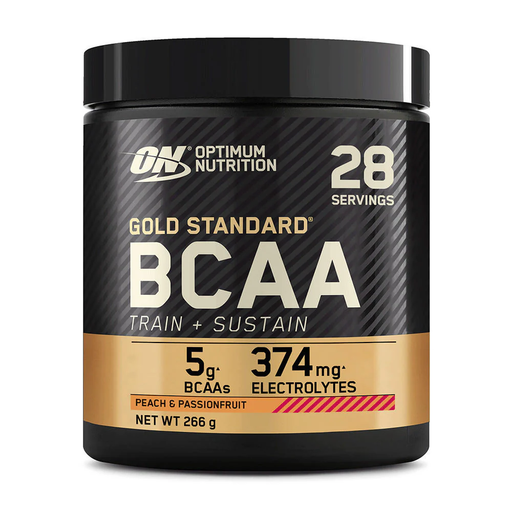
Why it suits this profile: A straightforward choice if you want to use BCAAs and electrolytes during or around your training. The pack contains 28 servings, with 5 grams of BCAAs per serving.
The 2:1:1 BCAA ratio and amount per serving are clearly stated, so you don’t have to rely on the marketing name alone.
5 grams of BCAAs, 374 mg of electrolytes and 28 servings per pack. According to the product information, the formula also contains vitamin C, magnesium and zinc.
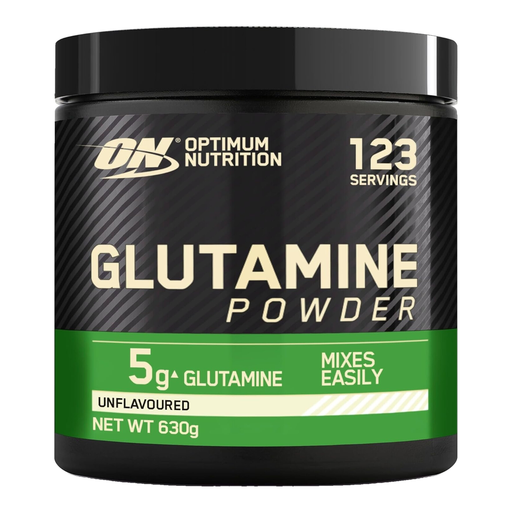
Why it suits this profile: This unflavoured glutamine powder is ideal if you want a single-ingredient product without flavourings to mix with water, a shake or a smoothie.
The product is clearly described as L-glutamine, and the product information states that each serving contains 5 grams. There’s no complex blend to decipher.
630 grams, an unflavoured formula and a 5-gram serving. Be sure to check the current allergen information on the pack.
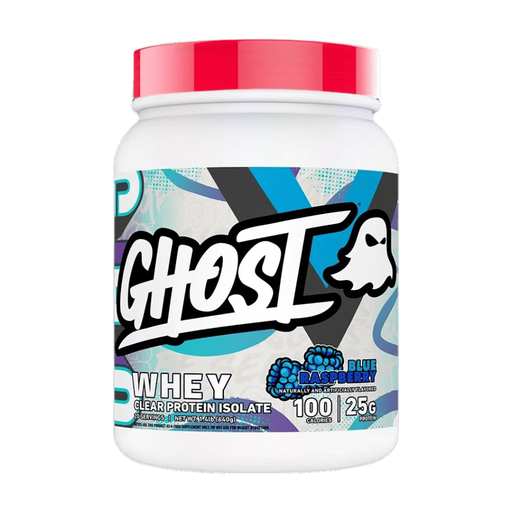
Why it suits this profile: For anyone who wants to increase their protein intake but prefers not to have a creamy shake. Mix with around 475 ml of water.
The protein content is clearly stated: 25 grams per serving of around 32 grams. The product information also states that it contains milk and is free from soya and gluten.
25 grams of protein per serving, around 100 kcal and 0 grams of sugar, according to the product information. The pack contains around 20 servings.
We’ve put together a full, up-to-date list of products that meet these strict selection criteria and the relevant European safety requirements.
Always follow the dosage instructions on the label and don’t use a supplement as a substitute for a varied diet. For muscle recovery and maintaining muscle mass, training, enough energy, sleep and your total protein intake are just as important as any individual product.
If you follow a vegan diet, look for a plant protein or an amino acid product clearly labelled as vegan. If you eat keto or dairy-free, collagen powder, beef protein or a plant-based formula may be a better fit. Always check the ingredients and nutritional information.
If you take medication, have a medical condition or follow a protein-restricted diet, ask a doctor or another qualified healthcare professional for advice. Stop using the product if you experience an unwanted reaction, and keep supplements out of reach of children.
It depends on the product. A BCAA supplement is often taken before, during or after training, as directed on the label. Protein powder can be used at different times of the day to top up your total protein intake. Timing matters less than getting the right total amount each day.
Check the best-before date and store the powder in a cool, dry place with the pack tightly sealed. Moisture can cause clumping and affect how well it mixes. Don’t use the product if the seal is damaged or its smell or texture has changed noticeably.
It varies by product and dosage. Compare the price per serving as well as the amount of protein or amino acids per serving. A larger pack isn’t automatically better value if the recommended dose is high or it contains relatively few servings.
