
Vandaag of morgen in huis

Kwaliteit gegarandeerd

Welkomstaanbiedingen ontgrendelen: GRATIS bezorging | Tot 80% korting | Gratis 30 dagen JoyPlus-proefperiode
Download de app
An amino acid supplement may seem easy to choose: powder, capsules or a ready-to-drink option. However, formulations, dosages and uses can vary considerably. If you only look at words such as “sport”, “recovery” or “energy” on the packaging, you could easily buy a product that doesn’t suit your diet.
Three common pitfalls to watch out for:
Don’t compare products by net weight alone. For example, a 300-gram tub may have a different serving size from a 270-gram tub. Make a note of:
For a specific amino acid, such as L-glutamine, L-lysine, L-arginine or L-ornithine, a clear amount per tablet or scoop is useful. That way, you know exactly what you’re taking.
Amino acid powder is handy when you want to mix a serving with water, a shake or a smoothie. An unflavoured option gives you more flexibility, while flavoured powders are often more enjoyable to drink during exercise.
Amino acid capsules or tablets are suitable if you don’t want to mix anything and prefer a fixed dosage. Check how many capsules make up the recommended serving. “One a day” doesn’t automatically mean the product has the same broad formulation as an amino acid blend.
A ready-to-drink option is convenient when you’re out and about, but pay particular attention to caffeine, sweeteners and shelf life. If you exercise in a warm environment, amino acids with electrolytes may fit into your hydration routine, but they don’t replace your normal water intake.
Read the full ingredients list, not just the front of the packaging. Look out for:
A food supplement is not a substitute for a varied diet. Follow the dosage on the label and speak to a doctor or pharmacist if you take medication, are pregnant or breastfeeding, or have an existing medical condition.
BCAA supplements provide leucine, isoleucine and valine. They may be of particular interest to athletes who want to take these three amino acids separately around their training. Always check the ratio and the total amount per serving.
Essential amino acids cannot be made by the body. They need to come from your diet. A complete amino acid product may be useful if you’re specifically looking for several amino acids in one formula, but compare the amounts of each.
L-glutamine is available as a standalone powder, often unflavoured. This may suit anyone who wants to choose what to mix it with.
L-lysine, L-arginine and L-ornithine are examples of specific supplements. In these cases, it’s better to choose a product with a clear dosage than a broad blend where it’s difficult to assess the amount of each ingredient.
When you see claims such as “for recovery” or “for performance”, pay attention to how the manufacturer phrases them. Brands may state in their product information that certain ingredients support particular functions, but these descriptions don’t guarantee individual results.
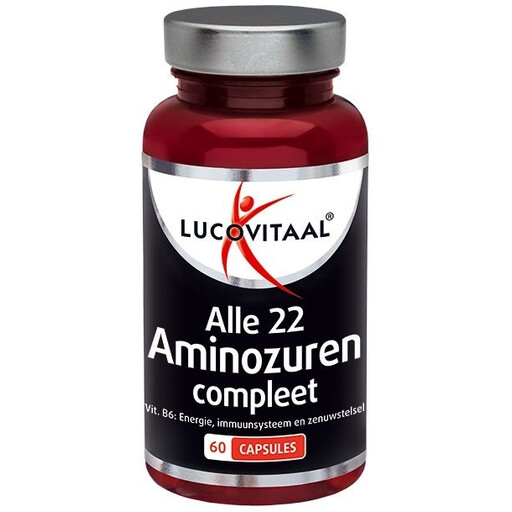
Why it suits this profile: Capsules are easy to fit into your daily routine. The product information lists 22 amino acids and vitamin B6 in each pack of 60 capsules.
The ingredients list shows the amount of each amino acid, so you don’t have to rely on the word “complete” alone.
60 plant-based capsules; according to the product information, the capsule can also be opened and taken with yoghurt.
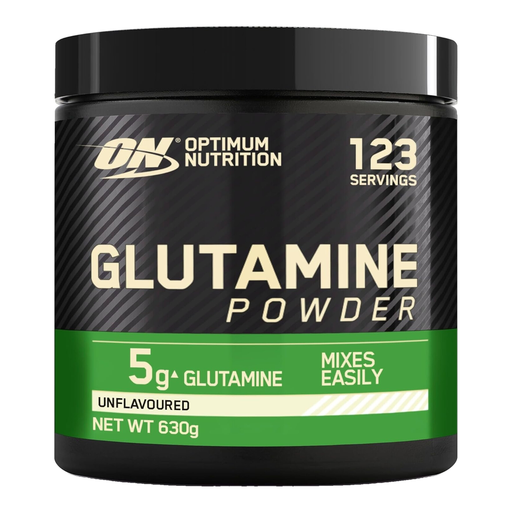
Why it suits this profile: This unflavoured powder is designed for people who want to add L-glutamine to water, a shake or a smoothie.
The packaging states that each serving contains 5 g of pure L-glutamine, so the ingredients aren’t hidden in a broad blend.
630 g; unflavoured; can be mixed per serving with 240 ml of water or a shake.
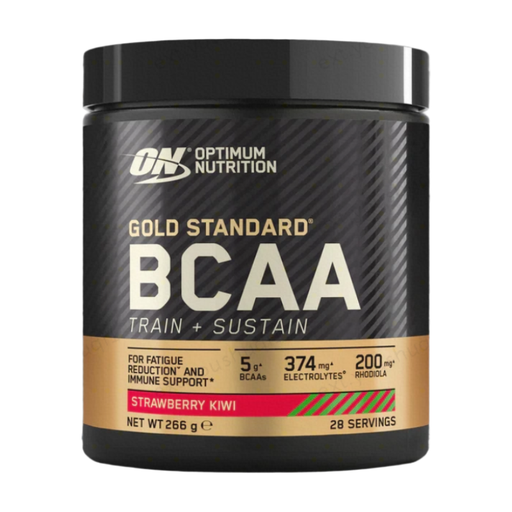
Why it suits this profile: The formula combines 5 g of BCAAs with 374 mg of electrolytes per serving and is designed to be used before, during or after a workout.
The 2:1:1 ratio and the amount of BCAAs are listed, along with the presence of vitamin C, magnesium, zinc and electrolytes.
266 g; 28 servings; powdered form for mixing into a drink during a training session.
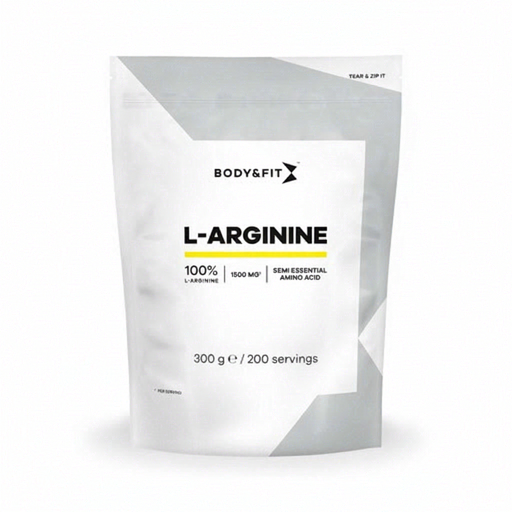
Why it suits this profile: According to the product information, the formula contains 100% pure, unflavoured L-arginine and is suitable for people who aren’t looking for a broad amino acid blend.
The amount is clearly specified: 1.5 g of L-arginine per serving. That means you don’t pay for ingredients you’re not looking for.
300 g powder; 200 servings according to the product information; vegan and free from the 14 main EU allergens according to the listed ingredients.
We’ve put together a complete, up-to-date list of products that meet these strict selection criteria and the applicable European safety regulations.
Not necessarily. Protein-rich foods naturally contain amino acids. A supplement can be useful if you’re looking for a specific ingredient, a fixed dosage or an easy-to-drink serving. Consider the supplement as part of your overall diet rather than automatically combining several products.
Powder is usually a flexible option for shakes and drinks during exercise. Capsules are easier to take with you and don’t need any preparation. If you choose capsules, check how many make up a serving; with powder, look at the scoop size, solubility and flavour.
Check the best-before date on the packaging and follow the manufacturer’s storage advice. Powder and capsules should generally be kept in a cool, dry place and sealed tightly. It’s best not to use a product if its smell, colour, texture or packaging has changed.
