
Vandaag of morgen in huis

Kwaliteit gegarandeerd

Welkomstaanbiedingen ontgrendelen: GRATIS bezorging | Tot 80% korting | Gratis 30 dagen JoyPlus-proefperiode
Download de app
An amino acid supplement may seem straightforward to choose at first. However, products vary considerably in amino acid type, dosage, when to take them and format. A powder containing pure L-glutamine serves a different purpose from a BCAA drink with electrolytes or a capsule containing several amino acids.
For athletes and active consumers in the Netherlands, there are three main pitfalls to watch out for:
A supplement is no substitute for a varied diet. If you already get enough protein and amino acids from food, an additional product won’t necessarily benefit you. Use the product information, recommended dose and warnings as your guide.
Amino acids are the building blocks of proteins. A product may contain one specific substance or a combination of essential and non-essential amino acids.
A broad formula containing 22 amino acids may sound comprehensive, but it can provide relatively small amounts of each individual substance. A targeted product may therefore be more practical if you’re specifically looking for an L-glutamine supplement or BCAA supplement.
The pack may look large, even though it contains only a limited number of servings. So make a note of:
According to the product information, Optimum Nutrition Glutamine Powder contains 5 grams of pure L-glutamine per serving and comes in a 630-gram tub. The manufacturer recommends mixing one level scoop of 5.25 grams with 240 ml of water or a shake. This makes the dosage easy to follow. Always check the current packaging, as directions for use may change.
For capsules, it’s important to check the amount per capsule. A product with lots of capsules isn’t automatically good value if you need to take several a day.
Amino acid powder is handy if you want to mix your dose with water, yoghurt or a protein shake. An unflavoured product gives you more flexibility, but may be less pleasant in water. Flavoured powders are more convenient if you drink your supplement during a workout.
Amino acid capsules are suitable if you’d rather not measure out powder. They’re easy to carry around, but taking several capsules a day can be difficult if you find them hard to swallow.
A product containing electrolytes may be worth considering for long or intense workouts. An Optimum Nutrition BCAA formula lists 5 grams of BCAAs and 374 mg of electrolytes per serving, as well as vitamin C, magnesium and zinc. Under certain conditions, authorised European nutrition claims state that magnesium, vitamin C and zinc contribute respectively to the reduction of tiredness and fatigue and the normal function of the immune system. This does not mean the product has a medical effect.
Pre-workout amino acid products may also contain caffeine. Optimum Nutrition Amino NRG + Electrolytes drinks list 100 mg of caffeine per 250 ml can. Keep your total caffeine intake in mind, and avoid these products if caffeine isn’t suitable for you. They’re not intended for children and are not recommended during pregnancy or while breastfeeding.
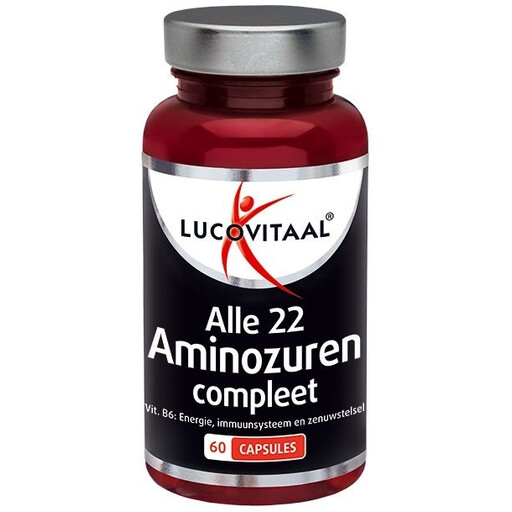
Why it suits this profile: The capsule format is practical for beginners who want to combine different amino acids without measuring out powder.
The ingredients list shows the amount of each amino acid separately. This makes it clear that a broad formula isn’t the same as a high dose of one substance.
According to the product information, it contains 22 essential and non-essential amino acids and vitamin B6; the capsules can also be opened.
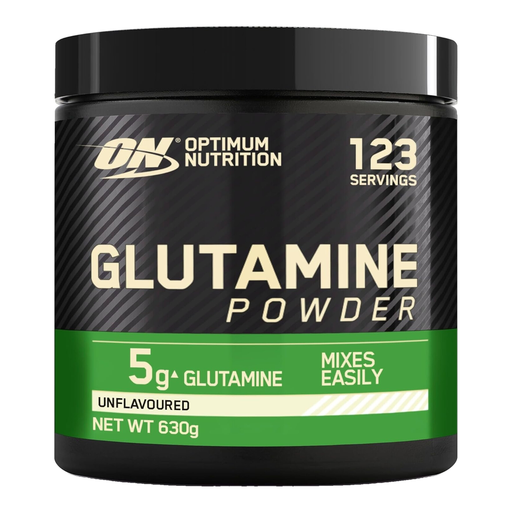
Why it suits this profile: If you’re choosing one amino acid specifically, this unflavoured powder clearly states how much L-glutamine is in each serving.
The packaging states that each serving contains 5 grams of pure L-glutamine. There’s no extensive blend to make the amount of your chosen amino acid unclear.
630 grams of unflavoured powder, suitable for mixing with water, a shake or a smoothie.
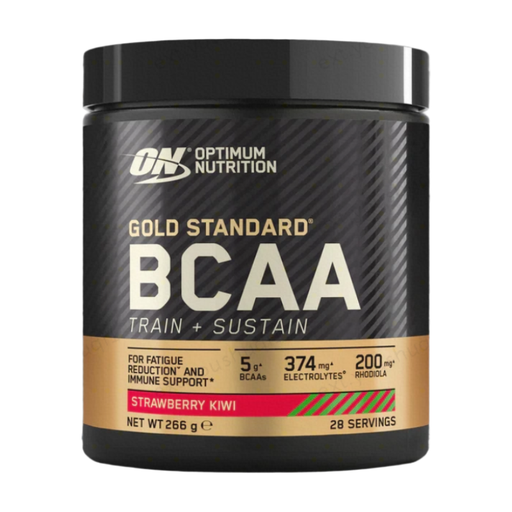
Why it suits this profile: This BCAA formula is a good fit for athletes who want to combine amino acids and electrolytes in one drink during longer workouts.
The total amount of BCAAs and electrolytes per serving is stated. This makes it easy to compare the drink with a standalone BCAA supplement.
5 grams of BCAAs, 374 mg of electrolytes and 28 servings per pack; available as a flavoured powder.
We’ve put together a complete, up-to-date list of products that meet these strict selection criteria and current European safety regulations.
Always check the ingredients, allergens, best-before date and recommended daily amount before buying. If you’re looking for a vegan amino acid product, check the full ingredients list, not just the capsule. Some products are made in facilities that also process milk, soya, gluten, eggs, nuts or peanuts.
Take extra care with products containing caffeine, vitamins or minerals. Don’t use several products containing the same substances without working out your total daily intake. If you take medication, are pregnant or breastfeeding, or are under medical supervision, it’s sensible to consult a doctor or pharmacist first.
It depends on the product. According to the product information, an L-glutamine supplement is often taken after exercise, between meals or in the evening. BCAA powder can be taken before, during or after a workout. Always follow the label and don’t exceed the recommended amount.
No. Protein powder provides a broader range of proteins and amino acids, while an amino acid supplement may contain one substance, BCAAs or a specific blend. So compare the total protein and amino acid content of your overall diet.
Check the best-before date on the packaging. Keep the powder sealed in a cool, dry place, away from direct sunlight and out of reach of young children. Moisture can affect the texture and mixability of powder. Don’t use a product if the packaging is damaged or its smell or appearance has clearly changed.
