
Vandaag of morgen in huis

Kwaliteit gegarandeerd

Welkomstaanbiedingen ontgrendelen: GRATIS bezorging | Tot 80% korting | Gratis 30 dagen JoyPlus-proefperiode
Download de app
An amino acid supplement may seem easy to choose at first glance. In practice, powders, capsules and sports drinks vary considerably in their ingredients, dosage and recommended time of use. A product with lots of ingredients isn’t automatically the right choice for you.
For adults with an active lifestyle, three pitfalls are particularly worth avoiding:
Also bear in mind the difference between food supplements and skincare. A cleanser or lip balm containing amino acids is for external use and isn’t a substitute for an amino acid supplement.
Don’t just look at the total weight of the pack. Check the dose per recommended serving and the number of servings. For example, a 300g tub may contain 200 servings if one serving is 1.5g. This is useful to know when comparing an L-arginine supplement with tablets.
For a protein product, the amount of protein per serving matters more than the word “premium”. For example, the product information for Optimum Nutrition 100% Whey Gold Standard states that each sachet contains 24 grams of whey protein, fewer than 120 calories and 5.5 grams of BCAAs per serving. Always check the label for your chosen flavour and pack size.
If you want a vegan option, check not only for “vegan” but also for bulking agents, capsules and potential allergens. A vegan amino acid supplement isn’t automatically a complete protein source.
Check the recommended amount, when to take it and the format. Sachets are handy for work, travel or straight after exercise. Powder is often more flexible to measure, but you’ll need a scoop and a suitable shaker. Capsules and tablets are compact, but may be harder to swallow.
Also check for:
A food supplement isn’t a substitute for a varied diet. If you’re unsure about amino acids for muscle recovery, a high-protein diet or combining supplements with medication, speak to a doctor or dietitian.
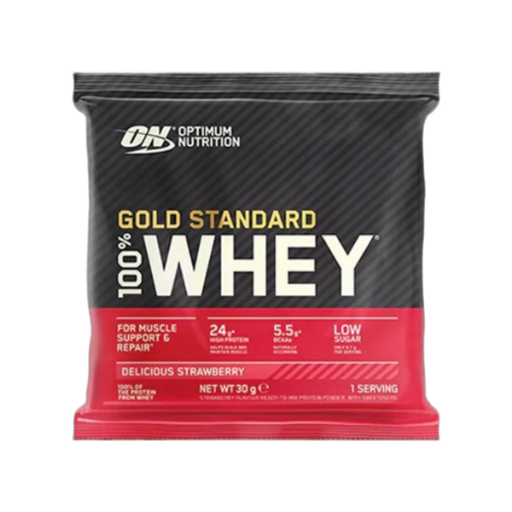
Why it suits this profile: The individual sachets make portions easy to keep track of and are simple to take with you to work, the gym or wherever you’re going.
The product information gives the amount of whey protein and BCAAs per sachet, so you don’t have to judge it by the total weight alone.
24 grams of whey protein per serving, 24 sachets and fewer than 120 calories, according to the product description.
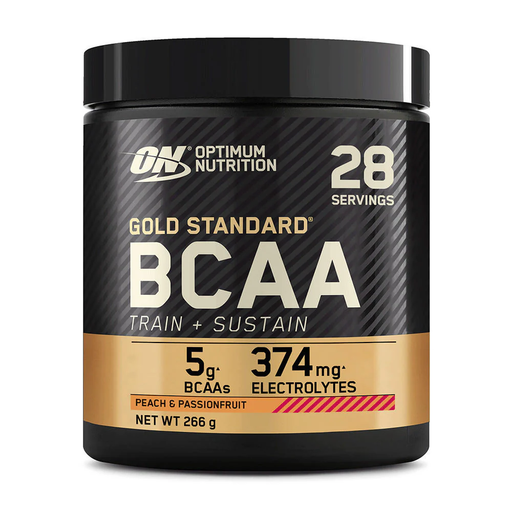
Why it suits this profile: This formula is designed for athletes who want to combine BCAAs with electrolytes and micronutrients around a workout.
The formula lists 5 grams of BCAAs per serving, a 2:1:1 ratio and 374 mg of electrolytes, making it easier to compare with other products.
28 servings, with vitamin C, magnesium and zinc per serving, and can be used before, during or after training.
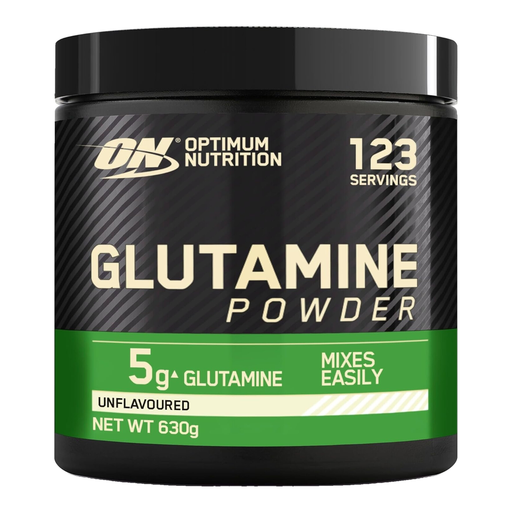
Why it suits this profile: The larger pack of unflavoured powder suits athletes who regularly want to add L-glutamine to water, a shake or a smoothie.
The product description states that each serving contains 5 grams of pure L-glutamine and gives clear mixing instructions. There’s no complex blend to decipher.
630g pack, unflavoured and suitable for mixing into your usual protein shake.
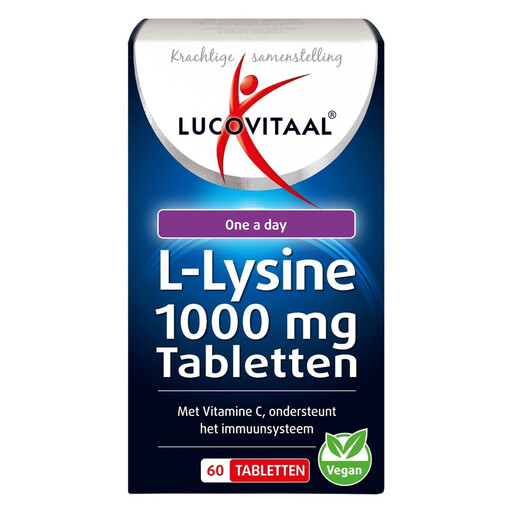
Why it suits this profile: A convenient choice for adults who don’t want to measure out powder and are looking for a daily L-lysine supplement in particular.
The dose is stated per tablet: 1000 mg of L-lysine. There’s no need to work out the contents of a blended formula or measure a scoop.
60 tablets, with one tablet a day according to the product instructions, and 12 mg of vitamin C per tablet.
We’ve put together a complete, up-to-date list of products that meet these strict selection criteria and applicable European safety requirements.
It depends on your overall diet and training goals. Whey provides protein and several amino acids per serving. A BCAA supplement contains only leucine, isoleucine and valine. So first check how much protein you already get from food before adding a separate formula.
In principle, yes, but watch out for overlap. Whey naturally contains amino acids, including BCAAs. An additional BCAA or complete amino acid formula may therefore provide some of the same substances. Compare the doses and only choose a second product if it serves a clear practical purpose.
Check the best-before date on the packaging. Store powder in a cool, dry place and keep it tightly sealed. Moisture can affect its texture and how well it mixes. Sachets and tablets are often easier to store individually; if you’ve opened a tub, it’s particularly important to seal it carefully.
