
Vandaag of morgen in huis

Kwaliteit gegarandeerd

Welkomstaanbiedingen ontgrendelen: GRATIS bezorging | Tot 80% korting | Gratis 30 dagen JoyPlus-proefperiode
Download de app
An amino acid supplement might seem straightforward at first: choose capsules or powder, check the dosage and add it to your daily routine. In practice, products vary considerably in their ingredients, when to take them and how much each serving contains. As a result, you might end up paying mainly for flavour, packaging or a long ingredients list.
Adults, sportspeople and anyone with an active lifestyle commonly encounter three pitfalls:
Also pay attention to what the word “amino” means on a product page. An amino acid cleanser, shampoo or lip care product is a cosmetic for external use, not a food supplement.
The body cannot make essential amino acids itself, so they must come from food. A supplement with a broader profile may therefore be useful if you want to top up several amino acids. Check the amount of each amino acid, not just the total number of ingredients.
A product containing L-lysine, L-glutamine, L-arginine or L-ornithine focuses on one specific substance. This may be more practical than a broad blend if you know exactly what you want to add.
BCAAs are the branched-chain amino acids L-leucine, L-isoleucine and L-valine. Check the ratio, such as 2:1:1, and the total amount per serving.
A 300-gram pack may sound substantial, but the number of servings determines how long it will last. So work out:
total contents ÷ recommended amount per serving = number of servings
For capsules, check the milligrams per capsule and the recommended daily intake. According to the product information, Lucovitaal L-Lysine One a Day contains 1000 mg of L-lysine per tablet and comes in a pack of 60 tablets. It’s a straightforward option if you’re looking for a tablet containing one specific amino acid.
Amino acid powder often gives you more flexibility with the dosage, but you’ll need an accurate scoop or kitchen scales. Always follow the directions on the label and don’t exceed the recommended daily amount.
A plain product such as L-glutamine powder can be mixed with water, a shake or a smoothie. A flavoured BCAA product is more convenient during training, but may contain sweeteners, acids, colourings and electrolytes.
An amino energy drink or energy powder may contain caffeine. Optimum Nutrition Amino NRG products list 100 mg of caffeine per 250 ml serving. The label states that these drinks are intended for adults and are not recommended for children or pregnant women. Also bear in mind your total caffeine intake from coffee, tea and energy drinks.
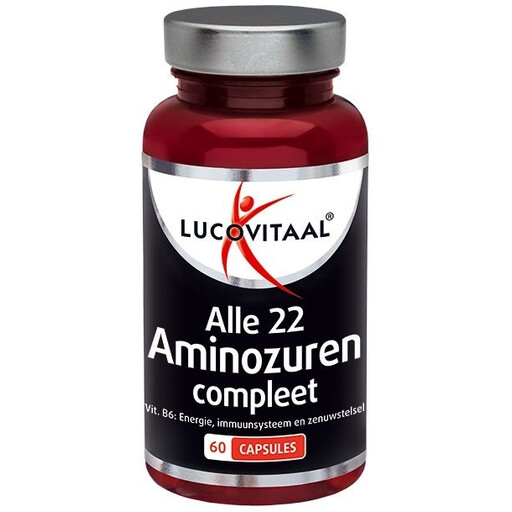
Why it suits this profile: These capsules offer a broad amino acid profile if you’d rather not buy several separate products straight away.
The ingredients list gives the amount of each individual amino acid, so you don’t have to rely on the total number of ingredients alone.
60 capsules; according to the product information, contains essential and non-essential amino acids plus vitamin B6; plant-based capsule.
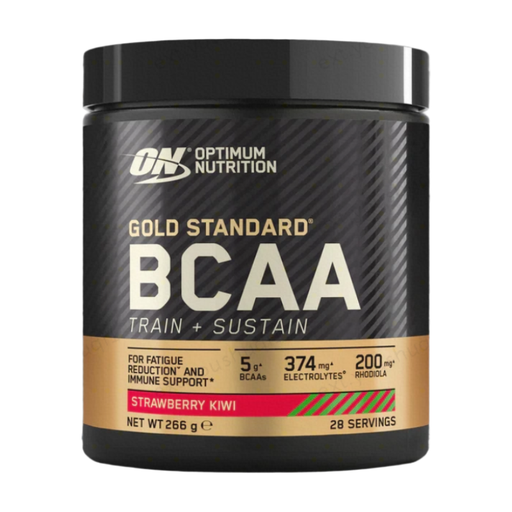
Why it suits this profile: This formula combines BCAA powder with electrolytes and flavour, making it a good fit for longer training sessions when you want a drink during exercise.
The product information lists 5 grams of BCAAs per serving, a 2:1:1 ratio and 374 mg of electrolytes. This makes it easy to compare the formula on specific details.
266 grams; 28 servings; according to the product specifications, contains vitamin C, zinc and magnesium as well as BCAAs.
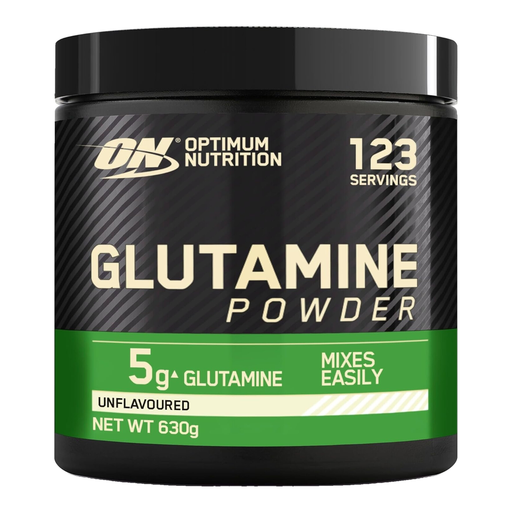
Why it suits this profile: A larger pack of L-glutamine powder suits people who regularly want to add the same amino acid to water or a protein shake.
The product is unflavoured and provides 5 grams of L-glutamine per serving. That means you’re not paying for an elaborate flavour formula if you don’t need one.
630 grams; unsweetened and unflavoured; according to the product information, suitable for mixing with water or a shake.
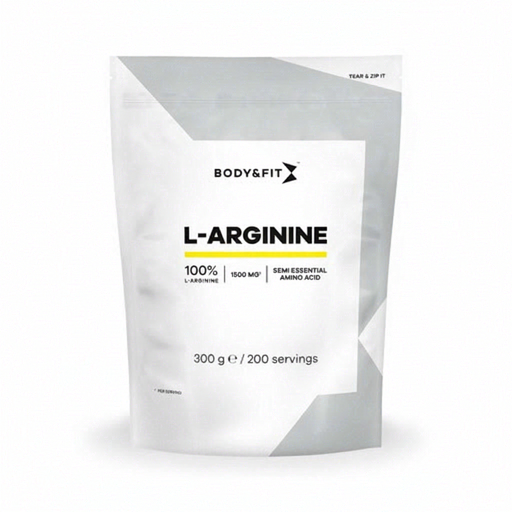
Why it suits this profile: If you want to use L-arginine specifically and don’t need capsules, powder lets you control the serving size.
The product specifications list 1.5 grams of L-arginine per serving and 200 servings per pack. This makes it easier to work out the cost per serving.
300 grams; unflavoured; vegan according to the product information; the stated product specifications say it contains none of the 14 major allergens.
We’ve put together a full, up-to-date list of products that meet these strict selection criteria and the applicable European safety regulations.
It depends on your goals and when you plan to use it. BCAA powder with electrolytes can be a practical choice to drink during a longer training session. If you want to top up one amino acid, you could consider L-glutamine, L-arginine or L-lysine instead. Always check the dosage, ingredients and warnings on the label.
Capsules are easy to take with you and don’t need mixing. Powder may work out cheaper per serving and gives you more flexibility, but you’ll need to measure the amount carefully. So compare more than just the pack price: check the cost per gram or per recommended serving too.
Follow the expiry date and storage instructions on the packaging. As a general rule, store powder and capsules in a cool, dry place, tightly sealed, away from direct sunlight and out of the reach of young children. Once opened, moisture and heat can affect product quality. Don’t use a supplement as a substitute for a varied diet. If you take medication, are pregnant or breastfeeding, or have a medical condition, consult a doctor first.
