
Vandaag of morgen in huis

Kwaliteit gegarandeerd

Welkomstaanbiedingen ontgrendelen: GRATIS bezorging | Tot 80% korting | Gratis 30 dagen JoyPlus-proefperiode
Download de app
An amino acid supplement may seem straightforward at first. You’ll find powders, capsules, BCAA formulas, collagen and products containing caffeine. But they can vary considerably in their ingredients, dosage and recommended use. A product with a long list of ingredients won’t necessarily suit your needs.
So the key question isn’t: “Which formula sounds most impressive?” It’s: what do you want to supplement, how much does each serving provide, and does the product fit into your daily routine?
Some products list ten or more amino acids, but provide only small amounts per serving. Check how many milligrams or grams are in the recommended serving. For example, a capsule product may provide fewer amino acids per capsule than an amino acid powder.
A BCAA supplement typically contains three essential amino acids: L-leucine, L-isoleucine and L-valine. A complete product may contain other amino acids too, so these two categories aren’t necessarily interchangeable.
A pre-workout amino acid formula may also contain caffeine, green tea extract or coffee extract. This makes it different from a caffeine-free amino acid supplement. Always check the caffeine content per serving and take into account any coffee, tea and other sports nutrition products you use that day.
For example, Optimum Nutrition Essential Amin.O. Energy products list 100 mg of caffeine per serving. According to the product information, caffeine contributes to alertness and concentration. This is an authorised nutrition claim when the relevant conditions are met, but the product is still a food supplement—not a substitute for sleep, a balanced diet or medical advice.
Amino acids, protein and creatine have different roles in your diet. A BCAA powder isn’t the same as creatine or protein, and a collagen supplement has a different composition from a sports drink product. Compare the actual nutritional values rather than relying on the front of the pack.
Start by noting how many grams of amino acids are in the recommended serving. According to the product information, Essential Amin.O. Energy formulas provide 5 grams of amino acids per 9-gram serving, including glutamine, leucine, arginine, isoleucine and valine.
Gold Standard BCAA Powder provides 5 grams of BCAA per serving, in a 2:1:1 ratio of leucine, isoleucine and valine. You can check this ratio on the label, and it’s more useful than general claims such as “advanced formula”.
For example, an L-arginine supplement may come in tablet form. According to the product information, Body & Fit L-Arginine Super Tabs contain 1,000 mg of L-arginine per tablet, with a recommended intake of one to two tablets a day. This makes the dosage easy to keep track of, without flavourings or caffeine.
As well as the amino acids, check:
Marine collagen contains fish, so it isn’t suitable for anyone with a fish allergy. Collagen made from beef differs from marine collagen in its source. Also, “sugar-free” doesn’t mean a product is free from sweeteners or flavourings.
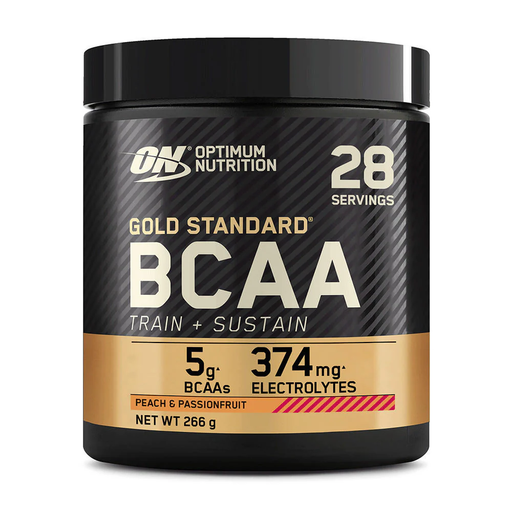
Why it suits this profile: With 28 servings and a set dosage, this powder is easy to get to grips with if you’re new to using a BCAA supplement around your workouts.
The packaging lists 5 g of BCAA per serving, the 2:1:1 ratio and the recommended amount of 9.5 g mixed with 350 ml of water.
5 g of BCAA, 374 mg of electrolytes and added vitamin C, zinc and magnesium per serving, according to the product information.
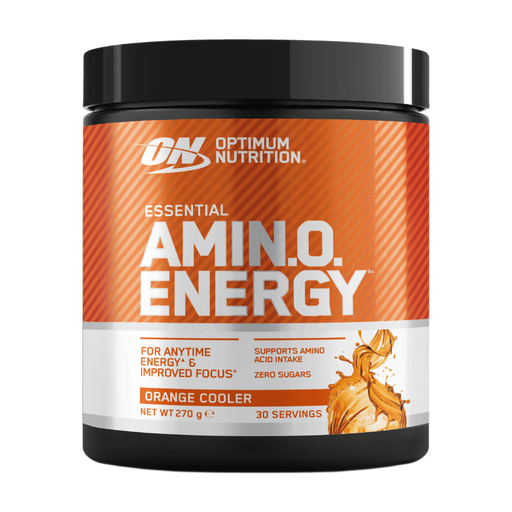
Why it suits this profile: This could suit adults who want to combine amino acids with a moderate amount of caffeine before a workout or during the day.
The caffeine content is clearly stated: 100 mg per serving. This makes it easier to factor into your overall caffeine intake.
5 g of amino acids, 100 mg of caffeine and 24 mg of vitamin C per 9 g serving; sugar-free according to the product specification.
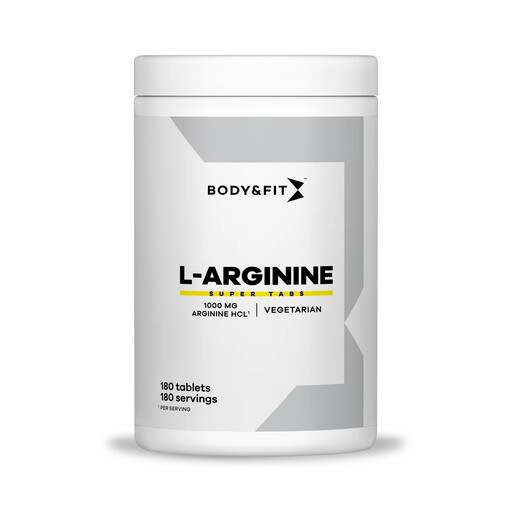
Why it suits this profile: Tablets are practical if you’d rather not mix a drink and want to keep track of your intake per tablet.
The amount is clearly stated: 1,000 mg of L-arginine per tablet. No caffeine is added, according to the listed ingredients.
180 tablets, 1,000 mg of L-arginine per tablet and a recommended intake of one to two tablets a day.
We’ve put together a complete, up-to-date list of products that meet these strict selection criteria and current European safety regulations.
It depends on the ingredients. BCAA powder is often used before, during or after a workout, according to the label. Products containing caffeine are generally best avoided just before bed. Always follow the recommended serving and don’t combine several products containing the same ingredients without checking first.
Neither format is automatically better. Powder is useful if you want a drink to have around your workout. Capsules or tablets are easier to carry and dose, but you may need to take several a day. Focus on the amount of amino acids per recommended serving and the ingredients list.
You can include them as part of a varied diet, but first check for overlapping ingredients. A BCAA product, creatine product and protein drink provide different substances. Keep the recommended dosages, allergens and any caffeine in mind. If you take medication, have a medical condition, are pregnant or breastfeeding, it’s sensible to speak to a healthcare professional.
