
Vandaag of morgen in huis

Kwaliteit gegarandeerd

Welkomstaanbiedingen ontgrendelen: GRATIS bezorging | Tot 80% korting | Gratis 30 dagen JoyPlus-proefperiode
Download de app
An amino acid supplement may seem straightforward at first: choose powder or capsules, compare the dosage and place an order. In practice, products vary widely in their ingredients, when they’re used and how much of each active ingredient they contain. So colourful packaging or promises about energy, recovery or performance don’t tell you enough.
If you want to make an informed choice, avoid these three common pitfalls:
The right choice depends on your diet, when you train and whether you prefer powder or capsules. Supplements are no substitute for a varied diet or healthy lifestyle.
Don’t just compare the net weight. Check:
With an L-glutamine supplement, for example, it’s important to know how much pure L-glutamine is in each scoop. Optimum Nutrition Glutamine Powder provides 5 g of L-glutamine per serving and contains 630 g of powder. It has a neutral flavour, so according to the product information, you can mix it with water, a shake or a smoothie.
For a BCAA powder, check the ratio of L-leucine, L-isoleucine and L-valine. A 2:1:1 ratio means that the leucine dose is relatively higher than the doses of the other two BCAAs. That’s no reason to automatically take more; always follow the recommended dosage on the packaging.
Amino acid powder can be used before, during or after exercise, but not every formula is practical for every occasion.
Take extra care with products containing caffeine. According to the product information, Essential Amin.O. Energy contains 100 mg of caffeine per serving, as well as 5 g of amino acids and vitamin C. According to the EU-authorised nutrition claims listed, caffeine contributes to increased alertness and concentration. This is an authorised claim subject to the stated conditions, not a guarantee of an individual effect. The product is not intended for children and carries additional warnings, including for pregnant or breastfeeding women and people taking certain medicines.
Amino acid capsules are easy to carry and don’t require a shaker. However, you may need to take several capsules to get a similar amount to a serving of powder.
According to the label, Lucovitaal Complete All 22 Amino Acids contains 60 plant-based capsules with essential and non-essential amino acids. The amounts listed per capsule are relatively specific, making it easier to compare the formula with a single-ingredient amino acid supplement. Capsules are especially handy if you don’t want flavourings or sweeteners.
With a vegan amino acid supplement, always check the current ingredients list and allergen information. Product information may vary by flavour or packaging. Also look out for bulking agents, caffeine, milk, soya, gluten, nuts and peanuts. If you’re unsure because of allergies, pregnancy, medication, a kidney problem or a protein-restricted diet, it’s best to speak to a doctor or pharmacist.
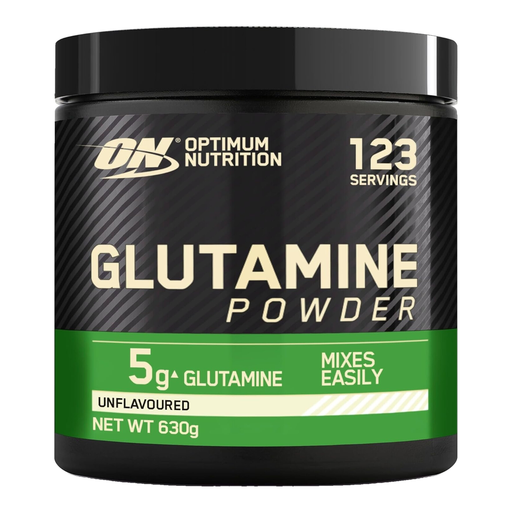
Why it suits this profile: A straightforward choice if you want to start with a single amino acid and mix your own drink.
The amount of 5 g of pure L-glutamine per serving is clearly stated. There’s no complex amino acid blend to decipher.
630 g pack, neutral flavour and, according to the product description, suitable for mixing with water or a shake.
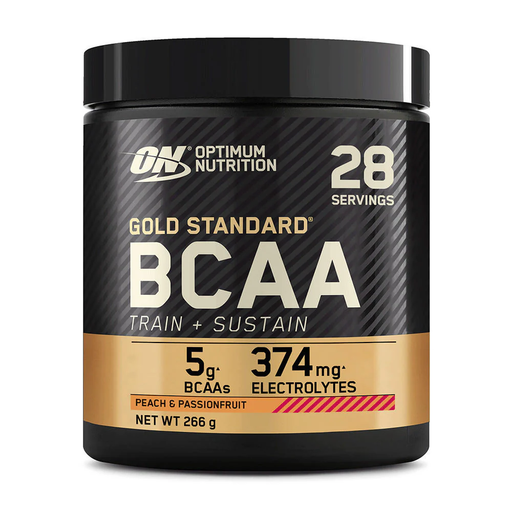
Why it suits this profile: Ideal for sportspeople who want a flavoured BCAA drink before, during or after a workout.
The packaging lists 5 g of BCAAs per serving, a 2:1:1 ratio and 374 mg of electrolytes, so you can check the key details.
266 g, around 28 servings, with vitamin C, magnesium and zinc according to the product information.
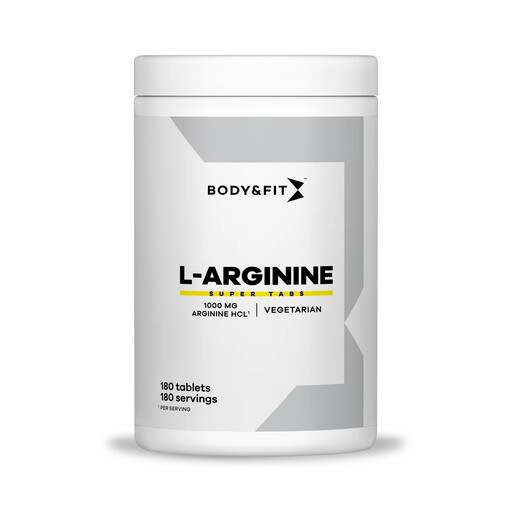
Why it suits this profile: A handy option for adults specifically looking for L-arginine who would rather carry tablets than measure out powder.
The dosage of 1,000 mg of L-arginine HCl per tablet and the recommended dose of 1 to 2 tablets a day are clearly stated.
180 tablets per pack, unflavoured and, according to the product information, free from the 14 main EU allergens.
BCAA product information recommends use before, during and after training. In practice, your overall daily diet matters more than the precise timing. If you already get enough protein and amino acids from food, you should also check whether an additional supplement really fits your personal goal.
An amino acid supplement with electrolytes can be useful during longer workouts, but it doesn’t replace drinking enough fluids. Products containing caffeine are best planned carefully. Check your total caffeine intake from coffee, energy drinks and supplements on the same day.
We’ve put together a complete, up-to-date list of products that meet these strict selection criteria and the current European safety regulations.
Start with a product that has a clear ingredients list and dosage. A single-ingredient L-glutamine supplement or a simple BCAA formula is easier to compare than a blend with lots of ingredients. First check whether your daily diet already provides enough protein.
The best-before date is shown on the packaging. Keep powder sealed in a cool, dry place, out of direct sunlight and out of reach of young children. Always follow the manufacturer’s current instructions. Moisture can affect the texture of powder, even if it’s still within its best-before date.
It depends on the amount of active ingredient you take each day, not just the price of the pack. Compare the cost per gram of amino acid or per recommended daily dose. Capsules are often easy to carry, while powder can provide a larger amount per serving.
