
Vandaag of morgen in huis

Kwaliteit gegarandeerd

Welkomstaanbiedingen ontgrendelen: GRATIS bezorging | Tot 80% korting | Gratis 30 dagen JoyPlus-proefperiode
Download de app
An amino acid supplement may seem simple to choose, but there are significant differences between powders, capsules and sports drinks. Some products contain a single amino acid in a clearly stated dose, while others combine a broad blend with caffeine, vitamins or electrolytes. As a result, you may end up paying for ingredients that don’t suit your training routine.
Three common pitfalls:
First, decide whether you’re looking for a targeted product or a combination. An L-glutamine supplement, for example, contains a single amino acid, while a complete product combines several essential and non-essential amino acids.
Check the following details:
With an amino acid powder, it’s usually easy to adjust the dosage, but you’ll need a scoop or accurate kitchen scales. Amino acid capsules are easier to take with you, but you may need several capsules per serving.
For athletes, when to use a product is mainly a practical consideration. An unflavoured powder may work well in a shake after training or between meals. A flavoured drink is more convenient during longer sessions.
A BCAA powder typically contains leucine, isoleucine and valine. Check the ratio and total amount per serving. For example, the Optimum Nutrition BCAA products in this selection list 5 grams of BCAAs per serving and a 2:1:1 ratio, according to the product information.
Also check for additional ingredients:
A 630-gram tub may sound large, but compare it with the number of recommended servings. Divide the price by the number of servings to compare different products more fairly. For capsules, you can also work out the cost per daily dose.
Check the storage instructions too. Powders should generally be kept tightly sealed in a cool, dry place. The best-before date applies to the unopened pack; once opened, moisture and hygiene become more important. Always follow the date and instructions on the packaging.
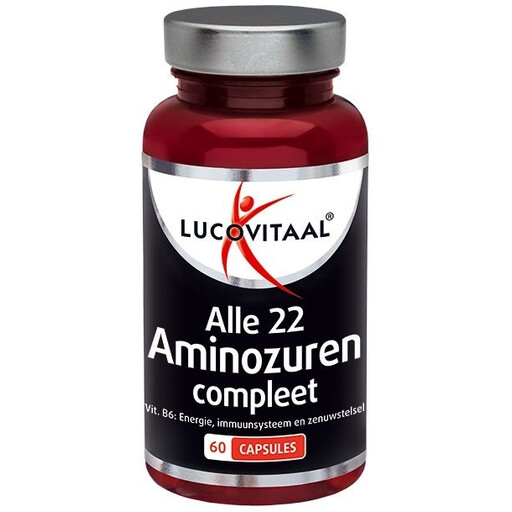
Why it suits this profile: Capsules are straightforward to use and suit adults who want to combine several amino acids without having to mix a powder.
The composition lists the amount of each of the 22 amino acids per capsule, and the pack contains 60 capsules. This lets you assess your intake clearly instead of relying on marketing claims alone.
Contains essential and non-essential amino acids, plus 0.21 mg of vitamin B6 per capsule, according to the product details. The capsules can be swallowed with water or opened.
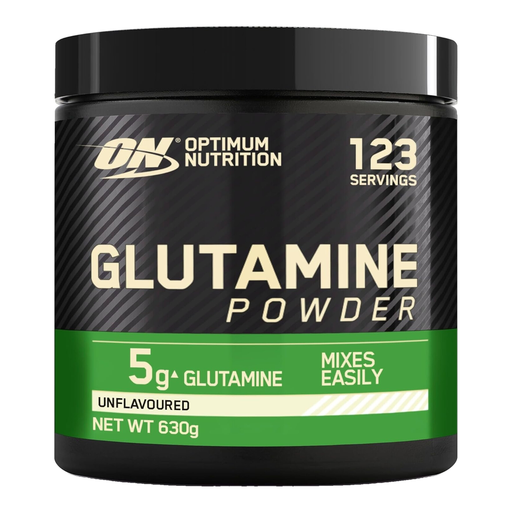
Why it suits this profile: This is a targeted option for anyone who wants to add L-glutamine on its own to a shake, smoothie or water.
The product description states that each serving contains 5 grams of pure L-glutamine and that the formula is unflavoured. So you’re not paying for caffeine, flavourings or a broad blend if you don’t need them.
630 grams, unflavoured and, according to the instructions, can be mixed with 240 ml of water or a shake. Check the allergen information on the packaging.
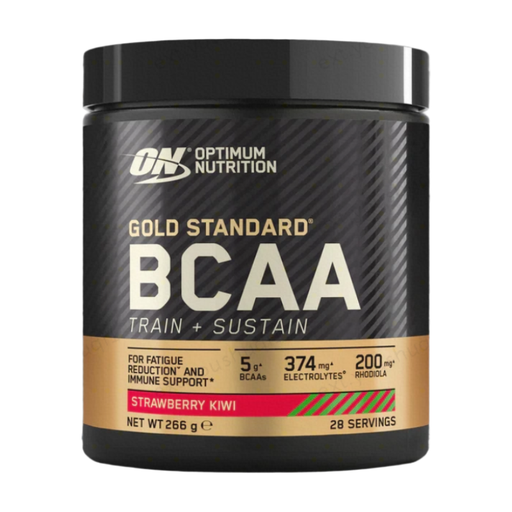
Why it suits this profile: This powdered drink is designed to be used before, during or after a workout, and combines BCAAs with electrolytes.
The packaging lists 5 grams of BCAAs, 374 mg of electrolytes and 28 servings. This lets you compare the formula and how long it will last with other amino acid sports nutrition products.
Contains BCAAs in a 2:1:1 ratio and comes as a flavoured powder. According to the product information, mix two scoops with cold water.
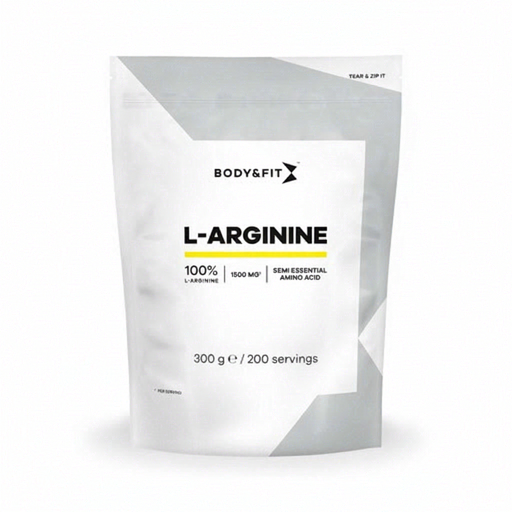
Why it suits this profile: This L-arginine supplement suits adults looking for a specific amino acid who want to choose what to mix it with.
According to the product information, the formula consists of 100% free-form L-arginine. There’s no broad blend to make it harder to compare the amount of active ingredient.
1.5 grams of L-arginine per serving, 300 grams in total and, according to the product details, 200 servings. The powder is unflavoured and suitable for vegans, according to the product description.
We’ve put together a complete, up-to-date list of products that meet these strict selection criteria and the applicable European safety requirements.
Start with a product that clearly states its ingredients and dosage. Capsules containing several amino acids are practical, while a single-ingredient L-glutamine supplement or amino acid powder gives you more control over which ingredient you choose. Always compare the recommended daily amount with your usual diet and training goal.
Not necessarily. Protein from a varied diet already provides amino acids. A supplement can be convenient if you want to control your dosage or are on the go. Claims about recovery or performance shouldn’t be taken as a guarantee. Follow the packaging instructions and ask a healthcare professional for advice if you take medication, are pregnant or breastfeeding, or have a medical condition.
That depends on the serving size. Divide the total weight by the weight per serving. A 630-gram pack with a serving size of 5.25 grams would theoretically provide around 120 servings. Always check the official dosage, the scoop provided and the best-before date on the packaging.
