
Vandaag of morgen in huis

Kwaliteit gegarandeerd

Welkomstaanbiedingen ontgrendelen: GRATIS bezorging | Tot 80% korting | Gratis 30 dagen JoyPlus-proefperiode
Download de app
An amino acid supplement may seem straightforward at first: choose a powder, capsule or sports drink and follow the dosage instructions. In practice, products can vary considerably in their ingredients, amount per serving and recommended time of use. You may end up paying mainly for flavourings, marketing or a long ingredients list when what you really want is a specific supplement.
This buying guide will help you choose amino acid supplements to suit your needs. You’ll find out what to look for in a BCAA supplement, glutamine powder, L-arginine supplement, L-lysine tablets and other options for an active lifestyle.
A product containing lots of different amino acids may look appealing. However, check how many milligrams or grams you actually get per recommended serving. For example, Lucovitaal Complete All 22 Amino Acids lists several amino acids, but the amounts per capsule range from 10 mg to 180 mg. That’s quite different from a product containing a single concentrated amino acid.
BCAA stands for branched-chain amino acids: leucine, isoleucine and valine. A BCAA supplement therefore contains three amino acids; it doesn’t automatically contain all the essential amino acids. Check the ratio and total amount per serving. Optimum Nutrition Gold Standard BCAA products list 5 grams of BCAAs in a 2:1:1 ratio per serving.
Some amino acid products are also energy drinks or pre-workout supplements. According to the product information, Optimum Nutrition Essential Amin.O. Energy contains 100 mg of caffeine per serving. This may be worth considering if you plan to use it during the day, but it may be less suitable if you’re sensitive to caffeine or want to use it in the evening. Check the warnings, allergens and sweeteners too, rather than choosing based on flavour alone.
First, decide what you want to supplement:
The term amino acids for athletes doesn’t tell you much about a product’s ingredients on its own. Always check the ingredients list and nutrition table.
Compare products based on the recommended daily serving. A 300-gram pack, for example, may contain a lot or a few servings, depending on the dosage. Body & Fit L-Arginine Powder lists 1.5 grams of L-arginine per serving and around 200 servings per pack. The tablet version contains 1,000 mg per tablet and comes in a pack of 180 tablets.
Also check whether a measuring scoop is included, how many millilitres of liquid are recommended, and whether the manufacturer advises taking one or two servings a day. Don’t exceed the recommended daily amount.
Powder is easy to measure and mix with water, yoghurt or a protein shake. An unflavoured product, such as Optimum Nutrition Glutamine Powder, gives you the flexibility to choose your own drink. Capsules and tablets are more convenient on the go, but less flexible if you want to adjust the dosage.
Also check for:
According to the product information, Optimum Nutrition Glutamine Powder contains 5 grams of pure L-glutamine per serving and is unflavoured. The listed allergen information includes milk, nuts, soya, peanuts, gluten and eggs. Always check the packaging of the version you choose.
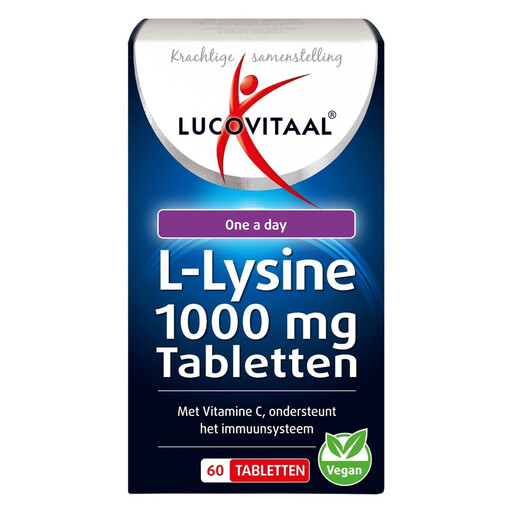
Why it suits this profile: A straightforward tablet option for adults who don’t want to measure out powder and prefer to take one dose at the same time each day.
The amount is clearly stated: 1,000 mg of L-lysine per tablet. There’s no need to compare a broad blend with unclear ratios.
60 tablets, with one tablet a day according to the product information, plus 12 mg of vitamin C per tablet.
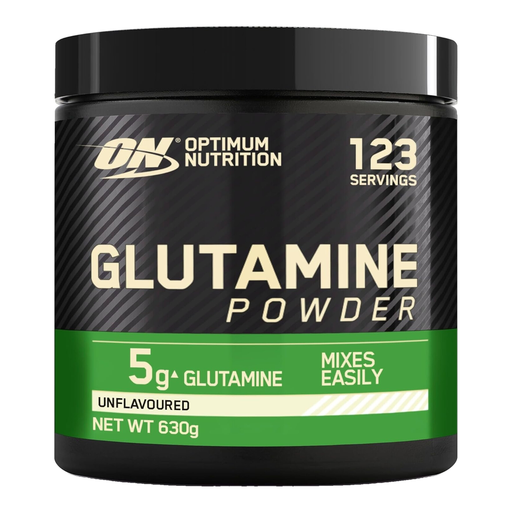
Why it suits this profile: A large pack for athletes who want to use a single amino acid around workouts or between meals.
According to the product description, the formula focuses on pure L-glutamine, without a long blend of extra active ingredients.
630 grams, 5 grams of L-glutamine per serving and unflavoured powder to mix with water, shakes or smoothies.
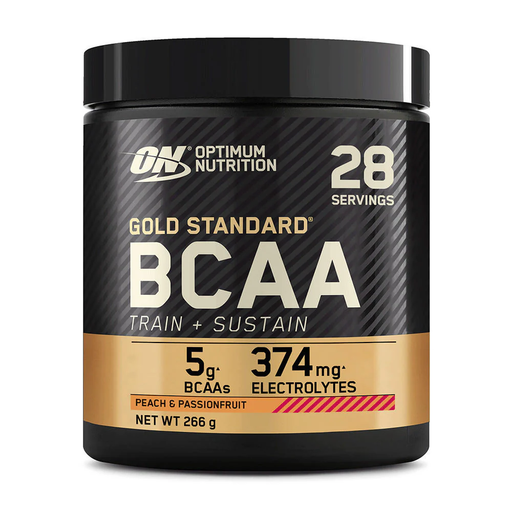
Why it suits this profile: For athletes who want a flavoured drink containing BCAAs and electrolytes during longer workouts.
The product specifications give both the total amount of BCAAs and the 2:1:1 ratio. The amount of electrolytes per serving is also listed.
5 grams of BCAAs, 374 mg of electrolytes and 28 servings per pack. According to the label, it also contains vitamin C, magnesium and zinc.
We’ve put together a complete, up-to-date list of products that meet these strict selection criteria and the applicable European safety regulations.
Use a supplement to complement a varied diet, not as a replacement for meals. Before buying, read the label for the exact flavour or version, as ingredients and allergens may vary. Store powders and capsules according to the packaging instructions and keep them out of reach of young children.
If you’re pregnant or breastfeeding, take medication, have a medical condition or are under medical supervision, it’s best to speak to a doctor or pharmacist. This is especially important for products containing caffeine, such as some amino acid energy drinks. Food supplements are not intended to treat or prevent medical conditions.
It depends on the type of product you’re looking for. A BCAA supplement contains leucine, isoleucine and valine. If you want to supplement with a single amino acid, you could consider glutamine powder, L-arginine or L-lysine. Focus on comparing the amount per serving and when you plan to use it.
Not necessarily. Compare the price per serving, not just the price of the tub. A tub of powder may contain more servings, while capsules are easier to measure out. Also check for flavourings, measuring scoops and the recommended number of servings per day.
The best-before date is shown on the packaging. Once opened, the product should generally be kept cool, dry and tightly closed. Don’t use a supplement if its smell, colour, texture or packaging has clearly changed. Always follow the manufacturer’s storage instructions.
