
Vandaag of morgen in huis

Kwaliteit gegarandeerd

Welkomstaanbiedingen ontgrendelen: GRATIS bezorging | Tot 80% korting | Gratis 30 dagen JoyPlus-proefperiode
Download de app
An amino acid facial cleanser may sound automatically gentle and hydrating, but that description does not tell the whole story. The rest of the formula, the way it cleanses and your skin type all determine whether a product works comfortably for you. A cleanser that appears suitable for daily use may still leave your skin feeling tight or fail to remove make-up and SPF effectively.
The three most common pitfalls:
Amino acids can serve various purposes in skincare, for example, as part of cleansing agents or as moisture-binding ingredients. However, the term amino acid cleanser is not an official quality category. Focus primarily on the complete ingredients list and the instructions for use.
A gentle facial cleanser often contains cleansing agents that loosen dirt and excess sebum. With a gel or foaming face wash, you will usually rinse the formula off with lukewarm water. Micellar water works differently: according to brands’ product information, micelles help pick up make-up, oil and dirt on a cotton pad. Some varieties do not need to be rinsed off, although rinsing can feel more comfortable if a residue remains on the skin.
Choose a product format that suits your routine:
According to NIVEA’s product information, various micellar products are designed to remove waterproof make-up and SPF as well. This is a brand claim; results may vary depending on the type of make-up and your skin.
For sensitive or dry skin, a fragrance-free formula, glycerine and a limited number of potentially irritating ingredients are practical points to consider. A hydrating facial cleanser should not leave your skin feeling tight for a prolonged period after rinsing or wiping it off.
With normal skin, you can focus mainly on ease of use and the level of cleansing you want. Oily or combination skin may benefit from a lightweight gel texture, but a strongly degreasing product is not automatically a better choice. Cleansing too aggressively can actually feel uncomfortable.
If you have sensitive skin, pay extra attention to fragrance and fragrance ingredients such as limonene and linalool. “Natural” does not automatically mean fragrance-free or suitable for everyone.
According to the product description, a mildly acidic pH may correspond to the skin’s natural acidity. For example, Dr. Althea Green Relief Amino Gel Cleanser states a pH of 5.0–6.0. Also check how the product should be used: massage a gel briefly with wet hands and rinse thoroughly, while micellar water should be applied to a cotton pad using gentle movements.
For the eye area, only use a product that the packaging says is suitable for this purpose. Avoiding rubbing is more important than using extra product. If irritation occurs, stop using the product and rinse your skin or eyes with water.
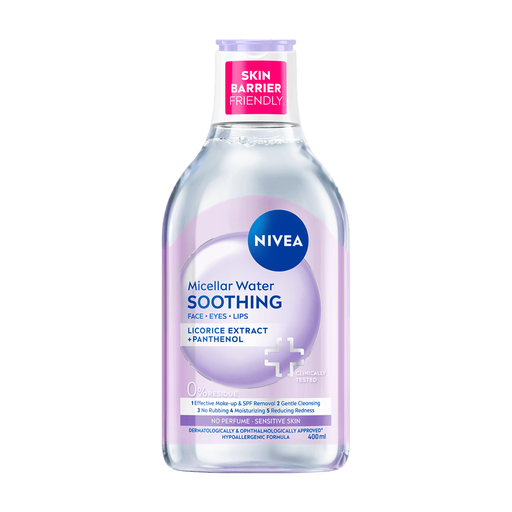
Why it suits this profile: A straightforward choice for daily cleansing with a cotton pad, with no separate gel required.
The product information lists amino acids, panthenol and a fragrance-free formula. According to NIVEA, rinsing is not required and no rubbing is necessary.
400 ml capacity, glycerine and an amino acid complex; according to the manufacturer, dermatologically and ophthalmologically tested.
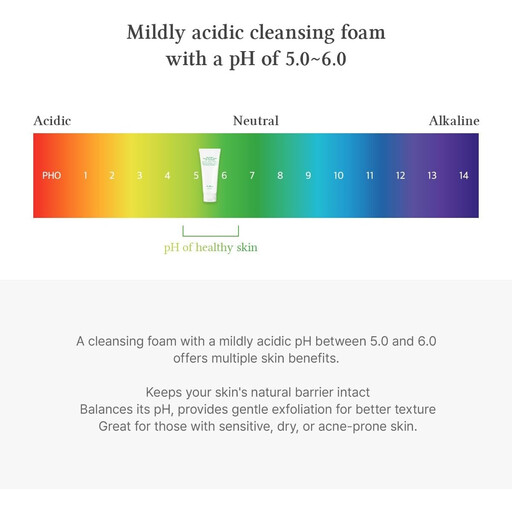
Why it suits this profile: A good match for anyone who values a gel texture, foam and a stated, verifiable pH.
The ingredients list includes several amino acid- and coconut-based cleansing agents. However, take note of bergamot oil, limonene and linalool if you want to avoid fragrance ingredients.
Gel texture, stated pH of 5.0–6.0 and ingredients such as glycerine, betaine and hyaluronic acid.
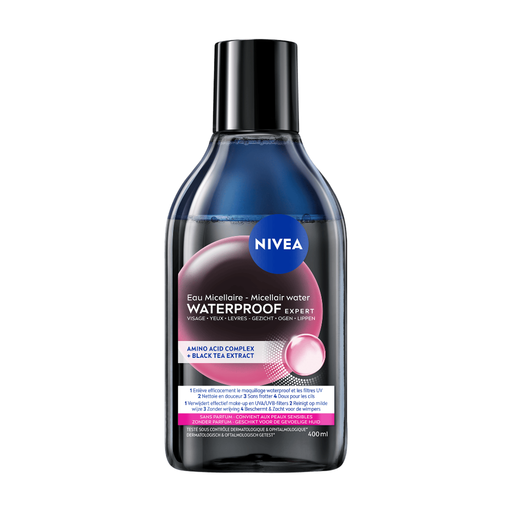
Why it suits this profile: Designed for users who often wear waterproof make-up or long-lasting eye make-up.
According to NIVEA, the formula is intended for waterproof make-up and use without vigorous rubbing. Check its eye compatibility for your own needs.
400 ml, an amino acid complex and micelles; the ingredients list includes glycerine and black tea extract, among other ingredients.
We have put together a complete, up-to-date list of products that fully meet these strict selection criteria and the applicable European safety regulations.
Test a new product on a small area of skin first. Stop using it if you experience redness, itching or a burning sensation. If symptoms persist, seek professional advice.
It can be, but the name alone is no guarantee. Look at the fragrance, fragrance ingredients, alcohol and other cleansing agents. A fragrance-free facial cleanser is a sensible first choice for some users, but individual sensitivity remains the deciding factor.
Many micellar products are designed for this purpose, according to their product information. Hold the cotton pad against the skin briefly and wipe gently. Stubborn make-up may require a dedicated waterproof make-up remover or a second cleansing step.
For many people, daily facial cleansing fits into their morning routine, evening routine or evenings only. The right frequency depends on make-up, SPF, sebum production and how your skin responds. If a product leaves your skin feeling tight for a prolonged period after use, it may be too strong or you may be using it too often.
