
Vandaag of morgen in huis

Kwaliteit gegarandeerd

Welkomstaanbiedingen ontgrendelen: GRATIS bezorging | Tot 80% korting | Gratis 30 dagen JoyPlus-proefperiode
Download de app
For many households, an American-style refrigerator is the ultimate kitchen upgrade: expansive storage, a built-in ice dispenser and a design that makes an immediate impression. But the search for the perfect model can quickly become a maze of marketing jargon and hidden drawbacks. Before you invest in a large refrigerator, it's crucial to know what to look for to avoid a costly mistake.
As a Joybuy Product Recommendation Officer, I'm here to help you separate fact from fiction. We'll look beyond the glossy brochures and focus on what truly matters. These are the most common pitfalls and how to avoid them.
Pitfall 1: The 'Silent' Refrigerator Myth Manufacturers love to advertise 'silent' models, but reality is often different. A constant humming or gurgling sound can be disruptive, especially in an open-plan kitchen. The noise level, expressed in decibels (dB), is the only objective measure here. A difference of just 3 dB is a doubling of the perceived sound.
Pitfall 2: Misinterpreting the Energy Label A low purchase price can be tempting, but an inefficient refrigerator will cost you far more in the long run through energy bills. Since the introduction of the new energy labels (scale A to G) in 2021, a model with a D or E rating is often a very energy-efficient refrigerator. An old A++ label is no longer comparable.
Pitfall 3: Not All 'No Frost' Is Created Equal The promise of never having to defrost again sounds great, but the effectiveness of No Frost systems varies. Simpler versions can lead to dried-out food or uneven cooling. More advanced systems like Total No Frost or Multi Air Flow distribute cold air much more effectively, which significantly improves the freshness of your groceries.
To make a well-informed decision, there are a few core specifications you should always check. These determine whether an American-style refrigerator truly fits your lifestyle.
Don't be misled by the external dimensions. The net capacity in litres indicates the actual usable space. For a family of four or more, a total net capacity of 500 litres or more is a good starting point. Also, take a critical look at the layout. Are the shelves adjustable? Are there enough door compartments for bottles and cartons? A side-by-side refrigerator offers a clear vertical division, while a four-door model often has more flexible freezer drawers.
The energy label is your most important tool for estimating annual costs. The label states the annual energy consumption in kWh. Multiply this number by your current electricity rate to get a realistic estimate of the running costs. A model with a C energy label, despite a higher purchase price, can be more cost-effective after a few years than a cheaper model with an E label.
An American-style refrigerator with an ice dispenser is a popular feature. There are two main types:
Based on objective specifications, we have selected several models that suit different needs and households.
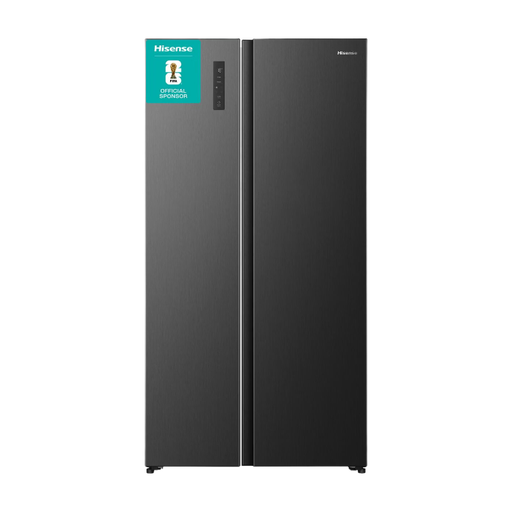
Why This Fits Their Persona: This model is ideal for families who buy groceries in bulk. The enormous 558-litre net capacity provides more than enough space for weekly shops, frozen goods and drinks.
This model tackles the 'No Frost' pitfall with a Multi Air Flow system, which distributes cold air evenly and ensures the effectiveness of the No Frost function.
Offers a very large storage capacity and a water dispenser without the premium price tag. Its noise level of 37 dB is relatively quiet for its size.
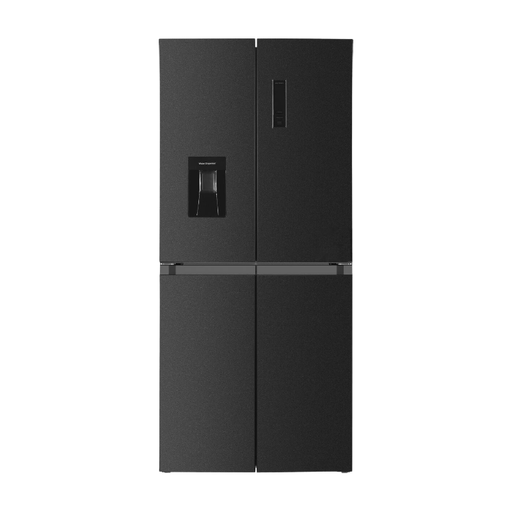
Why This Fits Their Persona: For those seeking a modern 4-door refrigerator without a sky-high energy bill. It combines a stylish design with very low energy consumption, perfect for the cost-conscious homeowner.
This model debunks the high-energy-cost pitfall. With an energy label C and an annual consumption of just 182 kWh, it proves that a large refrigerator can be exceptionally efficient.
Exceptionally energy-efficient for its size. The water dispenser has an internal tank, so no fixed water connection is needed.
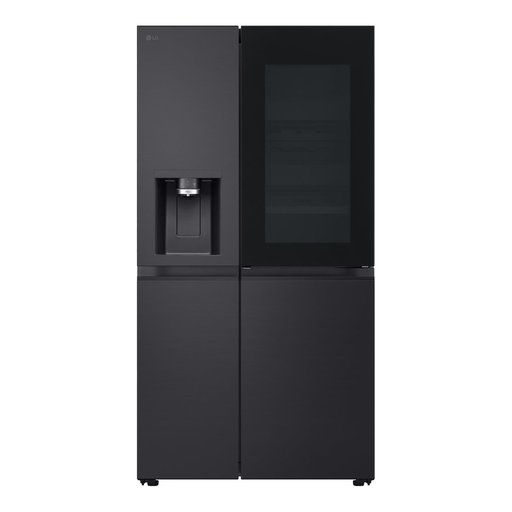
Why This Fits Their Persona: For those looking to make a statement in their kitchen. The sleek finish of this black American-style refrigerator, combined with the InstaView Door-in-Door feature, offers both high-end design and advanced convenience.
This model tackles the 'silent' refrigerator myth. With a noise level of just 35 dB, it is one of the quietest models on the market, genuinely backing up its marketing claims of silent operation.
The InstaView door reduces cold air loss, which saves energy. The combination of a water and ice dispenser with a very low noise level provides optimal comfort.
We have compiled a complete, up-to-date list of products that fully meet these strict selection criteria and local regulations.
1. Does an American-style refrigerator always need a water connection? No, that's not always necessary. Models with an ice and water dispenser come in two types. The first requires a fixed connection to the water line. The second, an increasingly popular alternative, has a built-in water tank that you fill manually. This offers more flexibility in placing the refrigerator.
2. How much noise does an American-style refrigerator make on average? The noise level of an American-style refrigerator typically ranges between 35 dB and 42 dB. A model is considered quiet when its noise level is below 39 dB. Models with an inverter compressor are often quieter because the motor runs at a constant, low speed instead of repeatedly switching on and off.
3. What does the annual energy consumption mean in practice? The annual energy consumption, expressed in kilowatt-hours (kWh), gives an indication of the running costs. To calculate the annual cost, multiply the number of kWh (found on the energy label) by the price per kWh you pay your energy supplier. This allows you to objectively compare different models based on their long-term costs.
