
Vandaag of morgen in huis

Kwaliteit gegarandeerd

Welkomstaanbiedingen ontgrendelen: GRATIS bezorging | Tot 80% korting | Gratis 30 dagen JoyPlus-proefperiode
Download de app
For many households, an American-style refrigerator is the crown jewel of the kitchen: vast amounts of space, a sleek design, and convenient features. But the search can be a minefield of marketing jargon and hidden drawbacks. Before you invest in a large refrigerator, it's crucial to know what to look for. Otherwise, you could be paying for a costly mistake for years, both in convenience and on your energy bill.
As a Product Recommendation Officer at Joybuy, I filter through the noise to help you make the right choices. Let's expose the three most common pitfalls.
Nearly every double-door refrigerator is advertised with "No Frost," but not all technologies are created equal. Cheaper models sometimes only feature No Frost in the fridge compartment, causing the freezer section to eventually develop a layer of ice. The result? You still have to defrost it manually—the very thing you wanted to avoid. True Total No Frost systems use separate air circulation to completely prevent ice buildup, which also benefits the freshness of your food.
An American-style fridge with a water dispenser sounds like pure luxury. The reality can be different. Models without a fixed water line have an internal reservoir that you must refill manually. This can be inconvenient and, if not cleaned regularly, can become a breeding ground for bacteria. A plumbed-in model is more hygienic but requires installation and isn't feasible in every kitchen.
Don't be tempted by a low purchase price. A large refrigerator with a poor energy rating (like E or F on the new scale) can cost you hundreds of extra euros in electricity over its 10-15 year lifespan. An energy-efficient American-style fridge with a C or D rating may be more expensive upfront, but it pays for itself in the long run.
To make a smart purchase, focus on the facts. These are the three most important specifications to check.
The total volume in litres doesn't tell the whole story. Look at the split between the fridge and freezer compartments and whether the layout (shelves, drawers, door bins) suits your groceries. A family that freezes a lot of food will benefit more from a spacious freezer.
Just as important: measure not only the niche in your kitchen but also the route to get there. Will the refrigerator fit through the front door, the stairwell, and the kitchen doorway? Remember to account for the ventilation clearance specified by the manufacturer (usually 5-10 cm at the back and top) to prevent overheating and unnecessary energy consumption.
Since 2021, the energy label has been updated and now runs from A (very efficient) to G (very inefficient). For an appliance that's on 24/7, this is a critical point. Don't just focus on the letter; look at the estimated annual energy consumption in kWh on the label. Multiply this number by your current electricity rate to get a realistic estimate of the annual costs. A model with a C label is significantly more efficient than one with an E label.
As mentioned earlier, Total No Frost is the standard you should be looking for. This technology prevents ice buildup in the freezer and keeps the humidity in the fridge stable, helping fruits and vegetables stay fresh longer. Some models also offer "Multi-Airflow," which ensures an even temperature on every shelf. This prevents temperature fluctuations when you open the door.
Below are a few models that score well on the above criteria, matched to different user profiles.
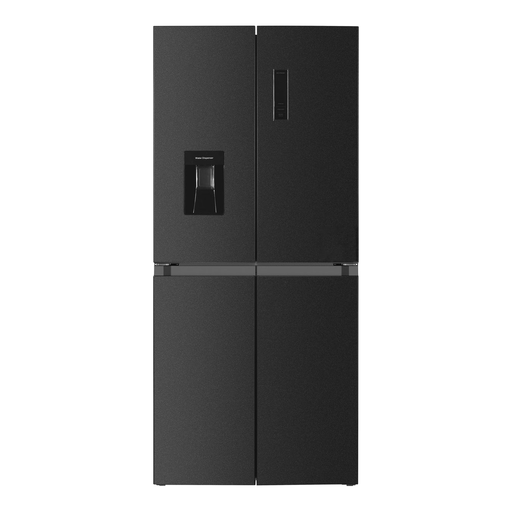
Why This Fits Their Persona: This model offers a massive 419-litre capacity, ideal for a large family's weekly groceries. The layout with six freezer drawers makes organizing frozen goods simple. The 5-year warranty provides extra peace of mind for a long-term investment.
With an energy class C rating, this is a relatively efficient choice in its category, keeping the energy bill manageable. The refillable water dispenser offers convenience without installation costs, and the Total No-Frost technology prevents manual defrosting.
Very spacious capacity (269L fridge, 150L freezer) and a favourable energy label for its size. The dark stainless steel look (Dark Inox) provides a modern aesthetic.
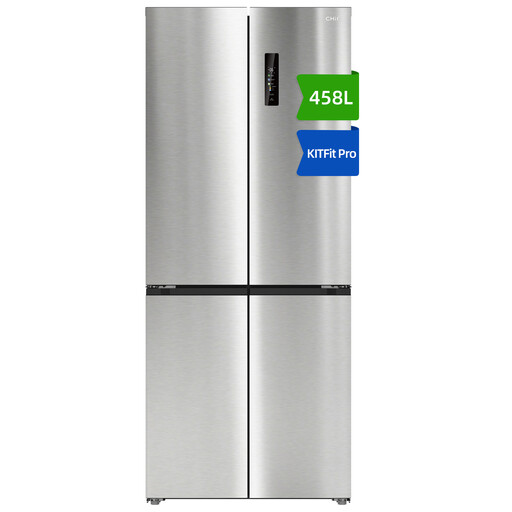
Why This Fits Their Persona: For those who want a seamless, built-in look without the cost of a true integrated model. The 'KITFit Pro True Flush' design allows the refrigerator to fit flush against kitchen cabinets with only a 4 mm gap. The cross-door (or French door) layout and the stainless steel finish are visually appealing.
Although the E energy label isn't top-tier, the quiet (37 dB) and efficient inverter compressor partly compensates for this in comfort and stability. Total No-Frost technology is naturally included, which minimizes maintenance.
Unique flush design with minimal gaps. The flexible 'Care+' zone with three temperature settings is ideal for storing meat, drinks, or vegetables.
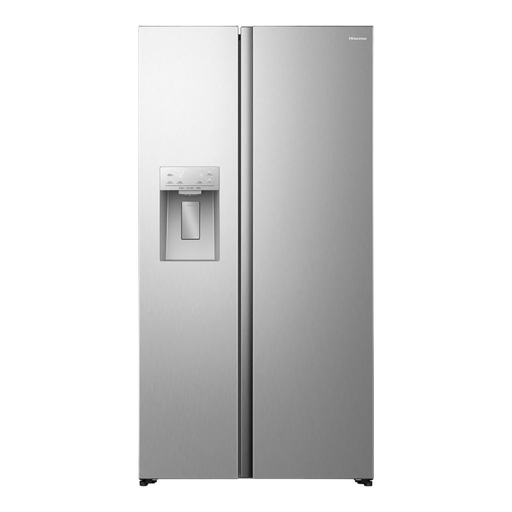
Why This Fits Their Persona: This is the classic side-by-side refrigerator that offers everything you'd expect: a huge 528-litre capacity and a built-in dispenser for water, ice cubes, and crushed ice. Perfect for those seeking maximum convenience and functionality for parties or a large family.
The water dispenser operates with an internal water tank, so you don't need to have a complex and expensive water line installed. The 'Super Freeze' and 'Super Cool' functions help mitigate the energy costs (label E) by rapidly cooling after you load groceries.
Complete functionality with water, ice cube, and crushed ice dispenser without a fixed water line. Fully automatic defrosting for both the fridge and freezer sections.
An American-style refrigerator is a personal choice. If the models above aren't exactly what you're looking for, check out our full range. We have compiled a list of products that meet strict selection criteria and Dutch regulations.
Most manufacturers recommend leaving at least 5 cm of space at the back and sides, and about 10 cm at the top. This is essential for the condenser to dissipate heat. Insufficient ventilation can lead to higher energy consumption and a shorter lifespan for the compressor. Always check the manual for your specific model for the exact requirements.
A side-by-side refrigerator has two long, vertical doors: one for the freezer section and one for the fridge section. A French door (or cross-door) model has two doors for the upper, wide refrigerator compartment and one or more drawers below for the freezer. The advantage of a French door is that you can fit wide platters (like oven dishes or cakes) in the fridge section and you lose less cold air when opening just one door.
This depends entirely on your lifestyle. If your family drinks a lot of chilled water, it can be a convenient and healthy addition. A model with an internal reservoir offers flexibility but requires the discipline to keep it clean and filled. A model with a fixed water line is low-maintenance but comes with installation costs. Consider whether the convenience outweighs the extra cost and potential maintenance.
