
Vandaag of morgen in huis

Kwaliteit gegarandeerd

Welkomstaanbiedingen ontgrendelen: GRATIS bezorging | Tot 80% korting | Gratis 30 dagen JoyPlus-proefperiode
Download de app
An aloe vera drink is popular with consumers looking for a fruity soft drink with aloe vera pieces. The range includes flavours such as lychee, strawberry, kiwi, mango and pomegranate. There are also varieties with no added sugar, 500 ml bottles and larger packs for home, office or catering use.
However, an eye-catching label does not always tell the whole story. Anyone who focuses solely on flavour or health-related claims may end up with a drink that is too sweet, has an unpleasant texture or does not suit the intended quantity. Use these checkpoints to compare aloe vera drinks based on specific product information.
An aloe vera drink sugar-free contains no sugar or no added sugar according to the label, but it may still contain sweeteners. Some products, for example, list acesulfame K, sucralose or another sweetener among their ingredients. Always check:
Available product information may vary by packaging or product variant. Use the current packaging sold in the Netherlands as your guide.
An aloe vera drink with lychee, kiwi or strawberry may sound appealing, but the proportions of aloe vera, fruit juice, sugar and flavouring vary. For example, the product information for OKF Lychee Aloe Vera Drink 20 x 500 ml lists 21% aloe vera juice, 9% aloe vera gel and 9 grams of sugar per 100 ml. The OKF Kiwi variant lists 4.8 grams of sugar per 100 ml.
You cannot always tell the difference from the front of the bottle. Compare the ingredients and nutrition table rather than relying solely on the flavour name.
An aloe vera drink multipack can be convenient when several people regularly take a bottle with them. However, a box containing 20 bottles of 500 ml holds 10 litres of drink and takes up considerably more space than six individual bottles. Also consider:
A 500 ml bottle is practical for on-the-go use. A pack of 6 x 1 litre or 12 x 1.5 litres is better suited to home use or business stock.
The terms aloe vera juice, gel and pulp are not always interchangeable. Juice generally refers to the liquid component, while gel or pulp can provide a thicker texture or pieces. If you are specifically looking for an aloe vera drink with pulp, check the ingredients list for terms such as “aloe vera pulp”, “aloe vera gel” or “aloe vera pieces”.
For example, the product description for Tropical Aloe Vera Zero 0% Natural 500 ml mentions aloe vera pulp. OKF Lychee Aloe Vera Drink is described as a drink containing real aloe vera pieces. The exact quantity and texture may vary by product.
Always compare nutritional values on the same basis. A 500 ml bottle containing 5 grams of sugar per 100 ml theoretically contains 25 grams of sugar per bottle if consumed in full. Sugar-free varieties may contain sweeteners. This does not automatically mean that their flavour or formulation is identical to that of a sweetened variant.
Also pay attention to product names containing “zero”, “sugar-free” or “0% added sugar”. Check what the claim actually means by reviewing the ingredients and nutrition table.
An aloe vera drink 500 ml is suitable for lunch, a car journey or a day at work. Choose a fruity flavour if you are mainly looking for variety:
For any food product, always check the current packaging for ingredients, allergens and shelf life. The listed products indicate that they contain none of the 14 major EU allergens, but labels may change.
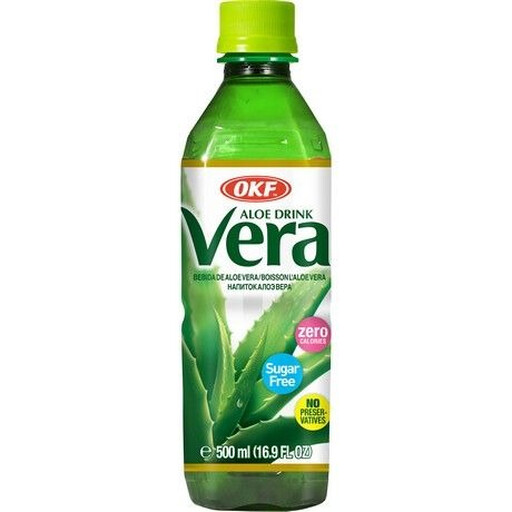
Why it’s a good fit: A handy bottle for anyone who wants to try a sugar-free aloe vera drink first, at home or on the go.
Check both the sugar content and sweeteners on the packaging; “sugar-free” does not mean that the drink is unsweetened.
500 ml volume; the product information states that it contains none of the 14 major EU allergens.
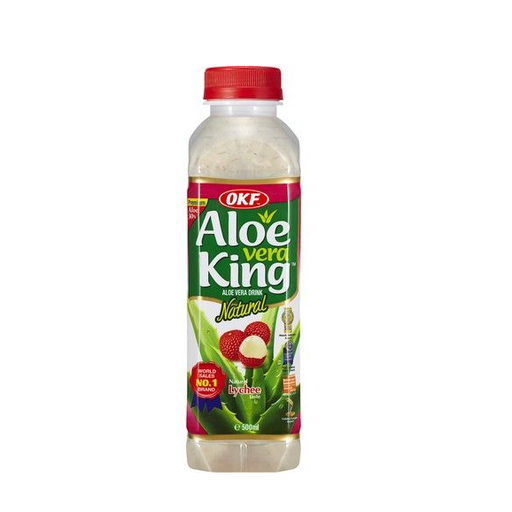
Why it’s a good fit: For anyone looking for a smooth, tropical lychee flavour and a drink with aloe vera pieces.
The ingredients list includes sugar and the product contains 5 grams of sugar per 100 ml; this is not a sugar-free option.
500 ml per bottle and, according to the product information, real aloe vera pieces.
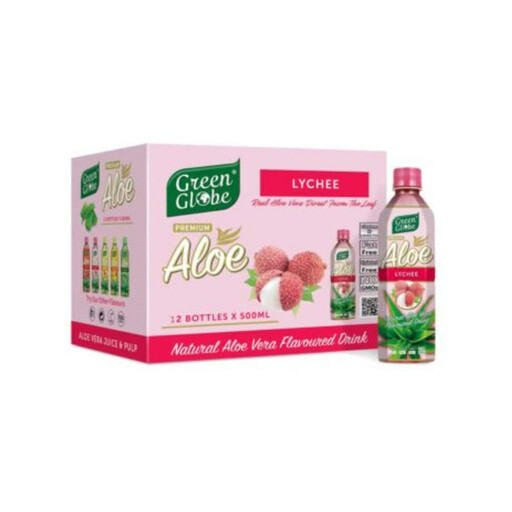
Why it’s a good fit: A box of individual bottles for meeting rooms, catering, events or households with multiple drinkers.
The quantity is clear: 20 bottles of 500 ml. This prevents confusion between the volume of each bottle and the total volume of the box.
20 x 500 ml, with product information indicating 9 grams of sugar per 100 ml and refrigeration after opening.
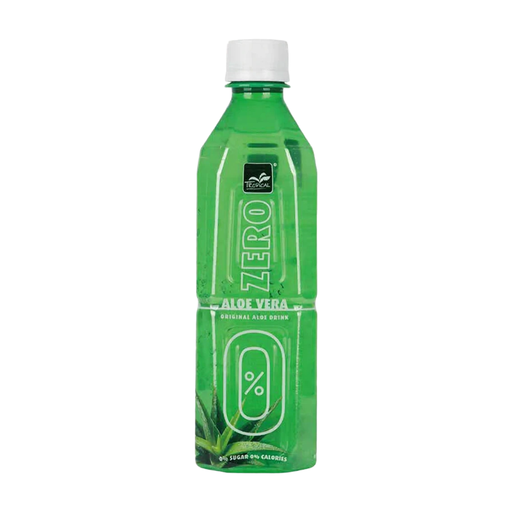
Why it’s a good fit: An option for anyone looking for a 500 ml bottle with low nutritional values and aloe vera pulp.
The product information lists 1.2 grams of carbohydrates per 100 ml and acesulfame K; check the current ingredients list.
According to the supplied nutritional information, 5 kcal per 100 ml and a mention of aloe vera pulp.
Browse the current range of aloe vera juice and compare flavours, sugar content, bottle sizes and multipacks based on the available product information.
Store an unopened bottle according to the instructions on the label, usually in a cool place away from direct sunlight. After opening, the bottle should generally be kept in the refrigerator and the drink consumed within the stated period. Only shake the bottle if recommended on the packaging; sediment may be visible in drinks containing pulp or gel.
When ordering online, pay attention to the best-before information. With a multipack, it is wise to first calculate how many bottles you can use within the recommended period. Also check that an opened bottle can be properly resealed.
Not always. An aloe vera drink may contain water, aloe vera juice, gel or pulp, as well as sugar, fruit juice, flavourings and acidity regulators. Check the ingredients list to determine the composition of a specific aloe vera drink.
Compare the nutritional values per 100 ml and look for a clear indication of the sugar content. A product labelled “sugar-free” may contain sweeteners. According to the supplied product information, the OKF Sugar-Free variants and Tropical Aloe Vera Zero have a low or unlisted sugar content, but always check the current label before purchasing.
This varies by product. The supplied product information advises storing opened bottles in the refrigerator and consuming them within the period stated on the packaging. The shelf life of an unopened bottle can be found next to the best-before or other date on the label.
