
Vandaag of morgen in huis

Kwaliteit gegarandeerd

Welkomstaanbiedingen ontgrendelen: GRATIS bezorging | Tot 80% korting | Gratis 30 dagen JoyPlus-proefperiode
Download de app
An aloe vera drink may seem simple at first glance: choose a flavour, add a few bottles to your basket and you’re done. However, aloe vera drinks vary considerably in aloe vera content, sugar, sweeteners, size and texture. If you only look at the front of the bottle, you could end up buying a drink that is less suitable for your everyday needs.
The three most common pitfalls:
The terms aloe vera juice, gel and pulp are not always used in the same way. Juice generally refers to the liquid, while gel and pulp are more likely to provide the familiar pieces or a thicker texture. Check the percentage on the label. The range includes drinks with 16%, 18%, 20%, 25% or 30% aloe vera juice and pulp.
If you are mainly looking for a pronounced aloe vera texture, look for products that explicitly mention aloe vera pulp. Shake the bottle well according to the instructions before drinking, as solid ingredients may settle.
A 500 ml bottle may contain several servings. Always compare the nutritional values per 100 ml, rather than looking only at the whole bottle. Across the available varieties, the values range from approximately 20 to 43 kcal per 100 ml. Sugar levels also vary.
A product described as aloe vera without added sugar may still taste sweet because of sweeteners. For example, Tropical Aloe Vera Zero states that it contains no added sugar, but according to the product information it does contain acesulfame-K as a sweetener. That is not the same as being completely unsweetened.
An aloe vera drink 500 ml is suitable for taking with you, enjoying at work or having with a meal. For home use, a 1.5-litre bottle may be more practical. A box of 20 500 ml bottles is particularly appealing if you drink it regularly, live with others or want to stock up for an office.
For most drinks, the product information states that they should be stored in a cool place away from direct sunlight. Once opened, the bottle should be kept in the fridge, and you should follow the instructions on the packaging. Also check the seal before use and the best-before date on the label.
Your choice of flavour has a major impact on how often you actually drink aloe vera. Aloe vera lychee has a sweet, tropical profile. Aloe vera mango is fuller and fruitier. For a fresher taste, aloe vera pineapple, pomegranate or watermelon are logical choices. Peach and strawberry are more approachable if you prefer a gentle fruit flavour.
Do bear in mind the difference between fruit juice, fruit concentrate and flavouring. According to the product information, OKF Aloe Vera Drink Lychee contains, among other ingredients, water, aloe vera gel, lychee flavouring and sugar. OKF’s mango variety mentions mango juice concentrate. T’best’s mango drink lists, among other ingredients, 1% mango juice. This gives you a more realistic picture than looking at the flavour name alone.
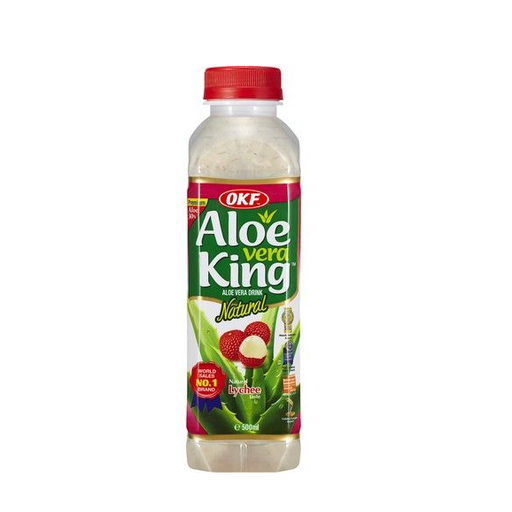
Why it suits this profile: A single 500 ml bottle is an easy way to try aloe vera juice with lychee flavour without committing to a large box.
The volume, ingredients and nutritional values are clearly stated. The product information lists 5 g of sugar per 100 ml, so you can take the sweetness into account when making your choice.
500 ml size, lychee flavour and aloe vera gel according to the product description. Suitable for home, work or on the go.
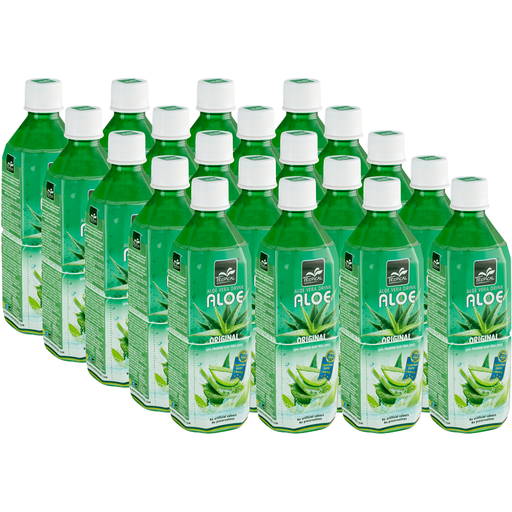
Why it suits this profile: The product information states that it contains 30% aloe vera juice and pulp. This makes the multipack appealing if the aloe vera content is particularly important to you.
The stated aloe vera percentage appears alongside the nutritional information, so you do not have to rely solely on the packaging or flavour name.
20 bottles of 500 ml, 30% aloe vera juice and pulp according to the product description, and no added colourings according to the listed specifications.
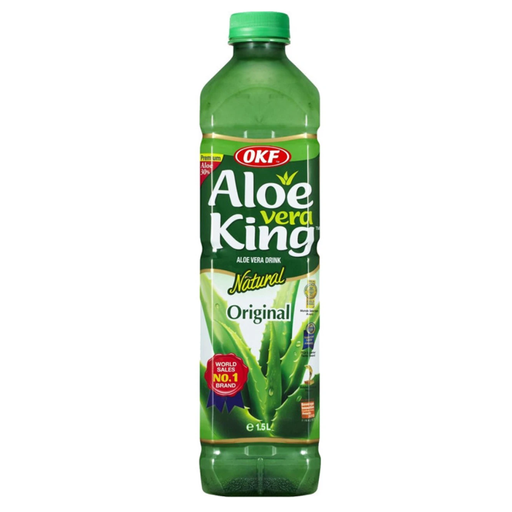
Why it suits this profile: The larger size is well suited to households, shared workplaces or shoppers who would rather not order individual bottles as often.
The total volume is clear from the outset: 12 bottles of 1.5 litres. This makes it easier to assess your storage space and consumption than with an impulse multipack purchase.
1.5 litres per bottle, organic aloe vera gel powder and aloe vera gel according to the product information. The stated nutritional values are 35 kcal and 8 g of sugar per 100 ml.
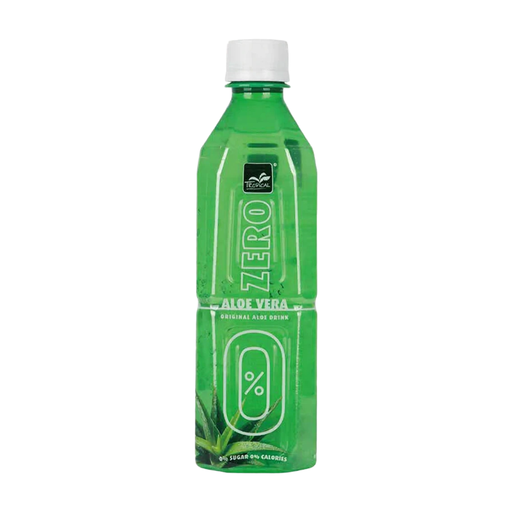
Why it suits this profile: If you are looking for a 500 ml aloe vera drink with no added sugar, this offers an alternative with a low stated energy value.
The product information states 0% added sugar, but also lists acesulfame-K. This makes it clear that “without added sugar” is not the same as “without sweeteners”.
500 ml size, aloe vera pulp and 5 kcal per 100 ml according to the product description. Check the current packaging for complete allergen information.
We have put together a complete, up-to-date list of products that fully meet these strict selection criteria and the applicable European safety regulations.
Use this quick checklist before placing your order:
Be cautious with health claims. In this selection, an aloe vera drink is intended as a refreshing beverage. Claims made by brands about vitamins, hydration or other benefits should be read as the brand’s product information, not as medical advice.
Not always. Aloe vera juice may refer to a drink containing aloe vera juice, while an aloe vera drink may also contain gel, pulp, fruit juice, sugar, flavourings or sweeteners. Always check the ingredients list and the percentage of aloe vera.
Always follow the instructions on the label. For the products mentioned, the guidance generally states that an opened bottle should be refrigerated and consumed within the specified period. Some product information gives a maximum of three days. The packaging takes precedence.
No, not automatically. “Without added sugar” means that, according to the product information, no sugar has been added. The drink may still contain naturally occurring sugars or be sweetened with acesulfame-K or another sweetener. Check the complete nutritional table and ingredients list.
