
Vandaag of morgen in huis

Kwaliteit gegarandeerd

Welkomstaanbiedingen ontgrendelen: GRATIS bezorging | Tot 80% korting | Gratis 30 dagen JoyPlus-proefperiode
Download de app
An aloe vera drink might seem simple to choose at first glance: grab a bottle with an appealing fruit flavour and you’re done. In reality, these drinks vary significantly in sugar content, amount of aloe vera gel, size and packaging format. If you only pay attention to words like “natural”, “refreshing” or “with pulp”, you could end up buying a product that doesn’t quite fit your everyday use.
As a Joybuy Product Recommendation Officer, I filter the most important product information in a practical way. That way, you can see more quickly which aloe vera juice, flavour and packaging are right for drinking on the go, stocking up, or serving with a meal.
The amount of aloe vera juice, gel or pulp varies from product to product. On the label, you might see 16%, 18%, 20%, 25% or 30% aloe vera juice and pulp, for example. A higher percentage doesn’t automatically mean you’ll like the taste, but it does help you compare products more fairly.
Also pay attention to the name. An aloe vera drink with pulp may contain pieces or gel that give it a slightly thicker texture. If you’re expecting a completely smooth drink, you could be in for a surprise.
Mango, lychee, pineapple and pomegranate sound like fruit flavours, but the composition may consist of juice concentrate, flavourings or a combination of both. Always check the ingredients list. For example, the OKF Aloe Vera Drink Lychee 500ml lists water, aloe vera gel, lychee flavouring, sugar, citric acid and vitamin C.
An aloe vera zero may contain no added sugar, but it can still have sweeteners. The Tropical Aloe Vera Zero 0% Natural 500ml, for instance, lists acesulfame-K. So look at both the nutrition table and the full ingredients list. Claims about vitamins, natural ingredients or a “healthy” image are no substitute for checking the packaging.
Check whether the product contains aloe vera juice, gel, pulp or a combination of these. The percentage is usually listed in the ingredients. A drink with 30% aloe vera, such as the OKF Aloe Vera Drink Pineapple mentioned, has a different product composition from a variant where water and flavourings are the main ingredients.
Texture matters for when you’ll be drinking it:
An aloe vera drink of 500 ml is practical for work, school, travel or a short trip out. A single bottle is easy to take chilled with you and means you don’t have to open a large pack straight away.
For families, hospitality, offices or resale, an aloe vera drink bulk pack can be more economical and convenient. Pay attention to the total number of bottles, the weight of the box and the storage space you have available. A box of 20 bottles of 500 ml contains 10 litres of drink, excluding packaging.
Compare the nutritional values per 100 ml, not just per bottle. The OKF Lychee and Mango variants list around 20 kcal per 100 ml and roughly 5 grams of carbohydrates. The Tropical Aloe Vera Watermelon lists 21 kcal and 4.9 grams of sugar per 100 ml. According to the product information, the Tropical Aloe Vera Honey is higher, with 43 kcal and 10.6 grams of sugar per 100 ml.
If you want to compare options with less sugar, look at the aloe vera zero variant. Just check which sweetener has been used and whether the flavour suits your taste.
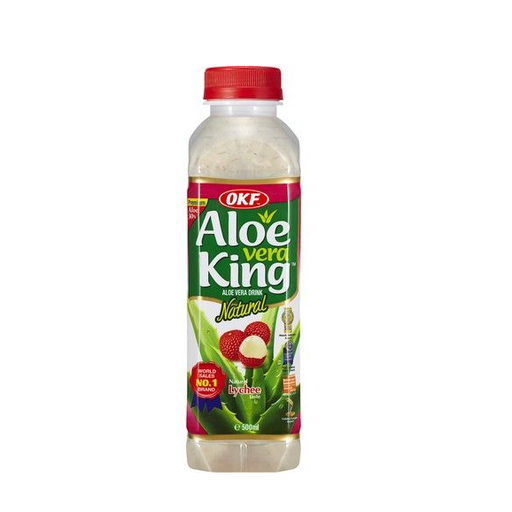
Why this fits the profile: The 500 ml bottle is a straightforward way to try a lychee variant without buying a whole box straight away.
The product information lists ingredients and nutritional values, including 20 kcal and 5 grams of carbohydrates per 100 ml. This means you can check the composition beforehand.
500 ml per bottle; lychee flavour; aloe vera gel for a recognisable texture.
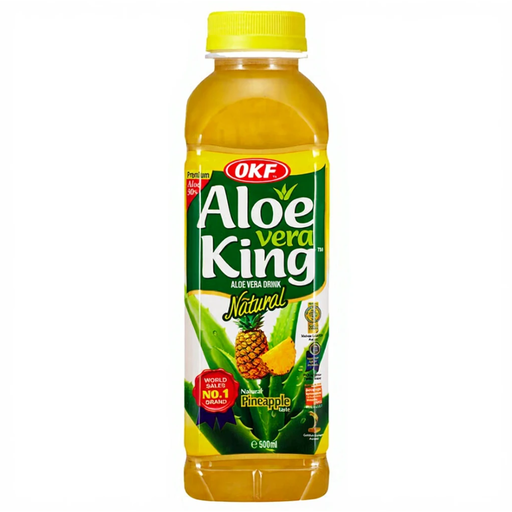
Why this fits the profile: This Korean aloe vera drink combines a distinct fruit flavour with a stated amount of 30% aloe vera.
The stated aloe vera percentage makes comparison easier than when only a general marketing claim is used.
30% aloe vera according to the product description; pineapple flavour; 500 ml; €0.15 deposit included according to the product title.
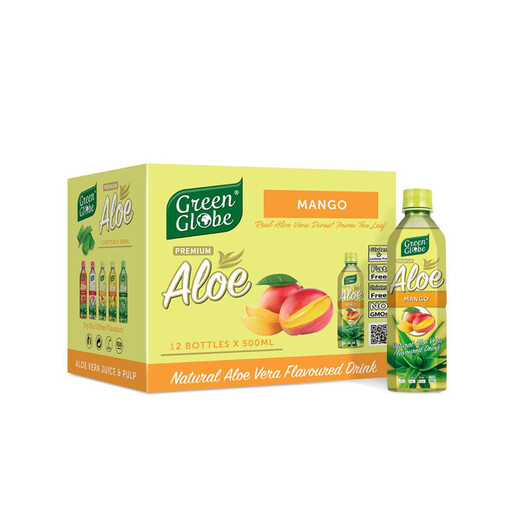
Why this fits the profile: A case of 20 bottles is ideal for households, offices, events and business buyers who need regular stock.
The case contents and bottle size are clearly stated. This means you can estimate in advance how much storage and fridge space you’ll need.
20 bottles of 500 ml; mango flavour; according to the product information, aloe vera pulp; suitable for stocking up and sharing.
Store unopened bottles according to the label in a cool place, out of direct sunlight and away from excessive heat. Gently shake a drink with pulp before use if stated on the packaging. Once opened, the bottle should go in the fridge. Always check the recommended period after opening; for some variants, a period of a few days is stated.
When ordering online, pay attention to:
We’ve put together a full, up-to-date list of products that fully meet these strict selection criteria and comply with current European safety regulations.
The terms are often used interchangeably. “Aloe vera juice” usually refers to a drink containing aloe vera juice, gel or pulp. Always check the ingredients list and the stated percentage. The name alone doesn’t tell you how much aloe vera the product contains.
This varies by brand and variant. Keep the bottle refrigerated after opening and follow the period stated on the label. Close the lid tightly and don’t use the drink if the packaging was damaged or if the smell, taste or texture has clearly changed.
Lychee is generally a sweet, floral fruit flavour; mango is tropical and full-bodied; pineapple has a fresher, sharper taste; pomegranate is fruity with a different sweet-sour balance. If you want to try several flavours, start with individual bottles. For regular use or an office, a bulk pack of 20 bottles is more practical.
