
Vandaag of morgen in huis

Kwaliteit gegarandeerd

Welkomstaanbiedingen ontgrendelen: GRATIS bezorging | Tot 80% korting | Gratis 30 dagen JoyPlus-proefperiode
Download de app
An aloe vera drink may seem simple to choose at first glance: pick a bottle in your favourite flavour and you’re done. However, these drinks can vary considerably in sugar content, amount of aloe vera pulp, flavourings and pack size. An attractive front label does not always tell the whole story.
For consumers in the Netherlands, these are the main pitfalls to watch out for:
Don’t just look for terms such as “light”, “zero” or sugar-free aloe vera drink. Check the ingredients list and nutritional information per 100 ml.
For example, Tropical Aloe Vera Zero 0% Natural 500 ml states 0% added sugar. However, the ingredients list does include the sweetener acesulfame K. This makes the drink interesting for anyone looking to reduce their sugar intake, but it is not automatically suitable for someone who wants to avoid all sweeteners.
The information can also vary between OKF products. For example, the lychee variant lists 5 grams of sugar per 100 ml, while other products are sold as sugar-free. Always check the label on the exact bottle or packaging.
An aloe vera drink with pulp contains gel or pulp pieces that you may be able to feel while drinking. This creates a different experience from a smooth fruit drink. Some consumers specifically look for this texture, while others prefer an even drink without pieces.
According to the product information, OKF Aloe Vera Drink Lychee 500 ml is made with real aloe vera pieces. The OKF kiwi variant lists aloe vera pulp and kiwi juice concentrate. The texture of an aloe vera drink original can vary too. Look out for terms such as “aloe vera gel”, “pulp” and the percentages listed.
Also consider the shape and size of the bottle. An aloe vera drink of 500 ml is convenient for taking to work, keeping in the office or storing in the fridge. A larger pack is more suited to home use and requires more storage space.
The flavour often determines whether you buy the same product again. An aloe vera drink strawberry is generally fruity and easy to enjoy. Kiwi has a fresher, slightly tart character, while lychee has a sweet, floral-fruity flavour profile. Mango is usually rounder and more tropical. The aloe vera drink original has a more neutral profile, with a natural grape flavour in some OKF variants.
Also check the number of bottles:
A Korean aloe vera drink, such as various OKF and T’best variants, may have a different ingredients profile from a product made in another country. Where possible, check the Dutch product information, allergen declaration, country of origin and storage instructions. Product descriptions may vary between variants; the packaging remains the definitive source.
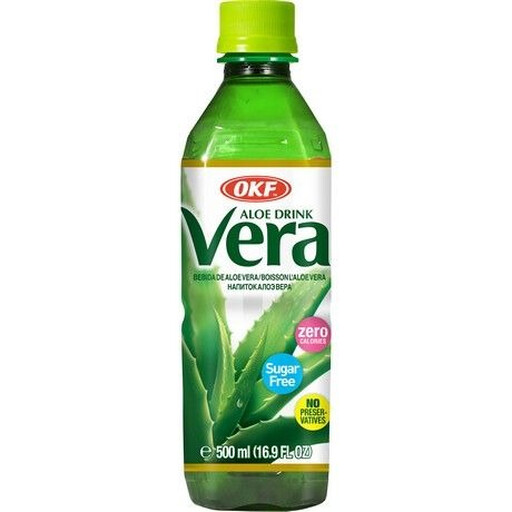
Why it suits this profile: A single 500 ml bottle makes it easier to try a sugar-free variant without immediately buying a full box.
The product name clearly indicates its sugar-free positioning. However, check the current ingredients list and nutritional information on the label.
500 ml, single bottle and, according to the product information, free from the 14 major EU allergens.
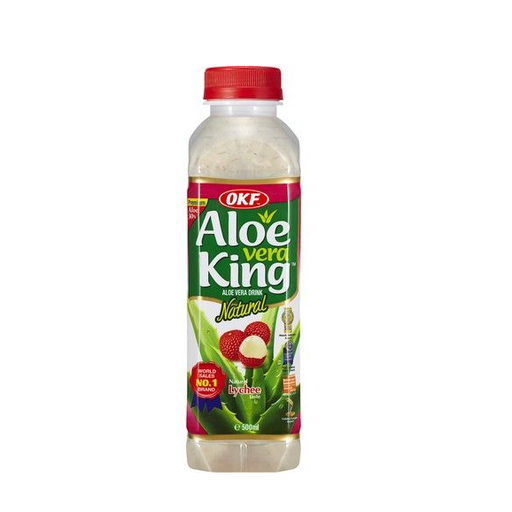
Why it suits this profile: Ideal for anyone who values a distinctive flavour and a branded variant with visible aloe vera pieces.
The product information specifies both lychee flavour and real aloe vera pieces. The nutritional information states 5 grams of sugar per 100 ml, helping to set accurate expectations.
500 ml, lychee flavour, aloe vera gel and clearly presented nutritional information.
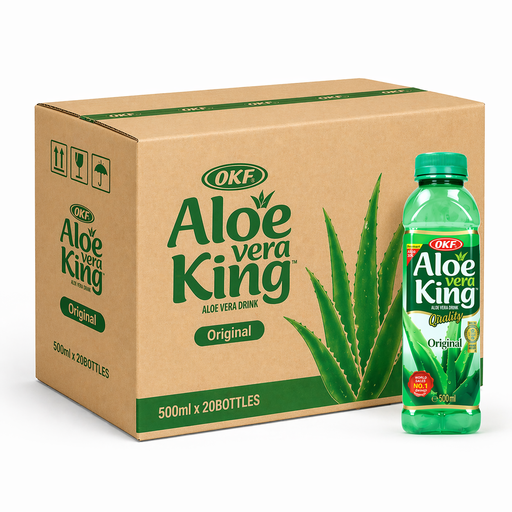
Why it suits this profile: A box of 20 bottles is ideal for offices, larger households and consumers who regularly take a 500 ml bottle with them.
The fixed multipack size makes the total quantity clear. Choose this format only after you already know that you like the original flavour and pulp texture.
20 bottles of 500 ml, aloe vera gel and natural grape flavour according to the product information.
We’ve compiled a complete, up-to-date list of products that fully meet these strict selection criteria and the applicable European safety regulations.
Store an unopened aloe vera drink according to the label, preferably somewhere cool and out of direct sunlight. Once opened, the bottle should be kept in the fridge. Close the cap securely and use the drink within the period stated on the packaging.
Before buying, also check the best-before date, particularly when purchasing a multipack. The remaining shelf life may vary by product upon delivery. If the seal has been broken, do not use the bottle. Always check the allergen information too, even when the product description states that none of the 14 major EU allergens are present.
Not every aloe vera drink is sugar-free. Variants such as OKF Sugar-Free are sold as sugar-free, while the lychee, kiwi and some original variants list sugar. In addition, “0% added sugar” does not always mean that no sweeteners are present. Check the ingredients and nutritional information per 100 ml.
Once opened, the bottle should be kept refrigerated and consumed within the period stated on the label. The exact period may vary by product. Do not leave an opened bottle outside the fridge for an extended time, and check the smell, appearance and packaging before drinking any more.
That depends on the price per bottle, delivery costs and how much you use. Divide the total price by 6 or 20 for a fair comparison. A multipack is practical for regular use, but a single 500 ml aloe vera drink is a wiser choice when you want to try a new flavour, such as mango, strawberry, kiwi or lychee, first.
