
Vandaag of morgen in huis

Kwaliteit gegarandeerd

Welkomstaanbiedingen ontgrendelen: GRATIS bezorging | Tot 80% korting | Gratis 30 dagen JoyPlus-proefperiode
Download de app
An aloe vera drink may seem simple at first glance: open the bottle, drink it chilled and you’re done. However, the different varieties can vary considerably in sugar content, ingredients, flavour, amount of pulp and packaging. If you choose based solely on an eye-catching label or tropical flavour, you could end up with a drink that does not suit your everyday needs.
For Dutch consumers, these three pitfalls are particularly important:
Compare the nutritional values per 100 ml, rather than just per bottle. A 500 ml bottle contains five times the amount shown on the label per 100 ml.
For example, OKF Aloe Vera Drink Kiwi lists 4.8 grams of sugar per 100 ml and 20 kcal per 100 ml. The OKF Lychee variety lists 5 grams of sugar per 100 ml. These differences matter when you regularly drink a whole bottle.
If you are specifically looking for an aloe vera drink without sugar, look for varieties that state 0 grams of sugar. Also check which sweeteners are used. For example, Tropical Aloe Vera Zero lists acesulfame-K in its ingredients. Another Tropical Aloe Vera Zero variety uses sucralose and states 0 grams of sugar and 0.4 kcal per 100 ml. So ‘sugar-free’ does not automatically mean that the flavour comes exclusively from aloe vera.
The term aloe vera drink with pulp refers to the pieces or gel particles that provide a thicker, distinctive texture. Check the percentage of aloe vera juice, gel or pulp in the ingredients list.
Some products state the percentage clearly. Tropical Aloe Vera Zero lists aloe vera juice and pulp at 20%. OKF Aloe Vera Juice King 1.5 litres lists, among other ingredients, 30% aloe vera gel and 3% aloe vera juice. This means the composition is not directly comparable: gel, pulp and juice may be listed separately.
Pulp is primarily a matter of flavour and drinking experience, not automatically a health claim. If you are expecting a smooth drink, a variety with clearly visible pulp may be disappointing. Only shake the bottle if the packaging advises you to do so, and always follow the instructions on the label.
A 500 ml aloe vera drink fits easily in a bag, fridge door or lunch routine. For occasional use, a single bottle or pack of six is practical. For a business, event or large household, buying aloe vera drink by the case may be more appealing.
When buying in bulk, consider:
A case of 20 bottles is not automatically the best-value choice if you do not drink much or have limited fridge space. Compare the price per litre, not just the price per pack.
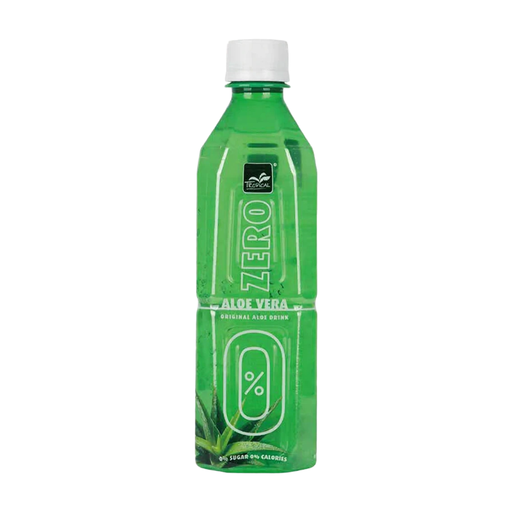
Why it suits this profile: The 500 ml bottle is a manageable choice for anyone trying an aloe vera drink for the first time. The product information states 0% added sugar and 5 kcal per bottle.
The stated nutritional values and ingredients make the sugar and calorie content easy to check. Do note that it contains the sweetener acesulfame-K.
500 ml format, aloe vera pulp and a low stated energy value.
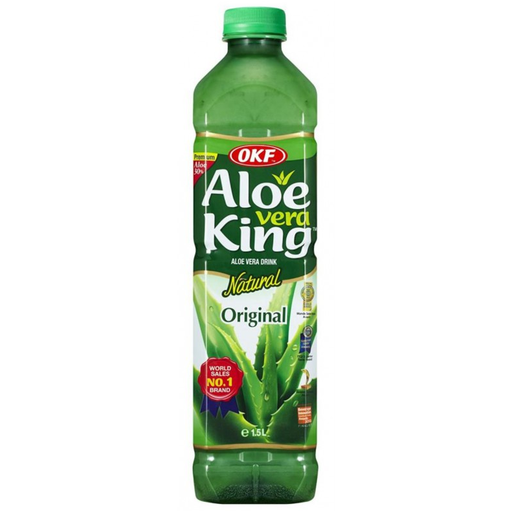
Why it suits this profile: This larger format is suitable for home use and for anyone who enjoys a pronounced aloe vera texture.
The label states the percentages of aloe vera gel and juice. It also lists 25 kcal and 6 grams of sugar per 100 ml, helping you gauge the sweetness.
1.5 litres, 30% stated aloe vera gel and natural grape flavour according to the product information.
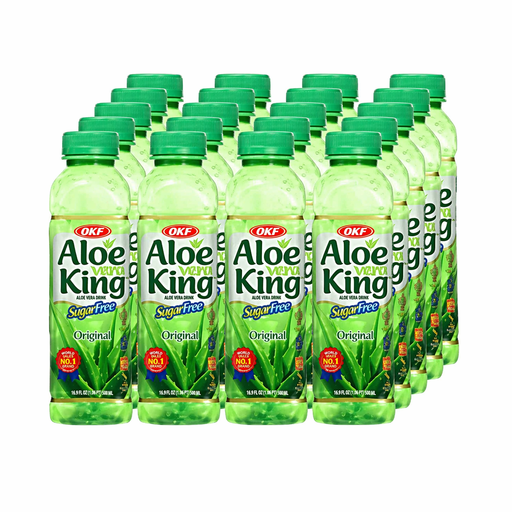
Why it suits this profile: A case of 20 bottles is practical for offices, events or households where people regularly want to grab a 500 ml bottle.
The bulk pack means you do not have to keep ordering individual bottles. Before buying, check the best-before date and make sure you have enough storage space.
20 bottles of 500 ml, a stated 0 grams of sugar per 100 ml and none of the 14 major EU allergens according to the product information.
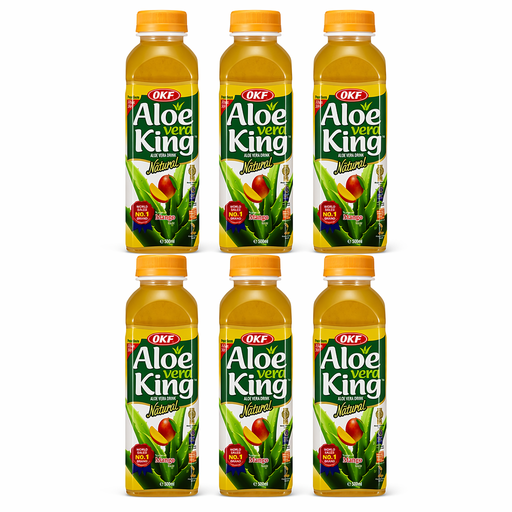
Why it suits this profile: The mango flavour and six-bottle pack are ideal if you want to try several flavours without immediately buying a large case.
The product information lists water, aloe vera pulp, mango juice concentrate and sugar. This makes it clear that it is not an aloe vera drink without sugar.
Six 500 ml bottles, aloe vera pulp and a tropical mango flavour.
We have put together a complete, up-to-date list of products that fully meet these strict selection criteria and the applicable European safety regulations.
Choosing an aloe vera drink depends largely on your flavour preferences:
Always check the physical label if the product information differs. Manufacturers may change the recipe, nutritional values or packaging.
Store unopened bottles according to the instructions on the packaging, usually in a cool place away from direct sunlight. Once opened, an aloe vera drink should be kept in the fridge. Close the bottle securely and use the drink within the period stated on the label. Do not buy a bottle if the seal is damaged.
No. Sweeteners may be used to provide a sweet taste. Check both the nutrition table and the ingredients list. A product with 0 grams of sugar may still contain sucralose or acesulfame-K.
This varies by product. Keep the opened bottle chilled and follow the post-opening period stated on the packaging. Do not leave the bottle at room temperature for extended periods.
That depends on the price per litre, the number of bottles and how much you drink. A case of 20 × 500 ml is practical for regular use, while a pack of six or a single bottle may be more suitable if you want to try a flavour first.
