
Same-day & Next-day Delivery

Quality Guaranteed

Unlock Your Welcome Offers: FREE Delivery | Up to 80% OFF | Free 30-day JoyPlus trial
Download the APP
Buying an aloe vera drink may seem straightforward, but the range varies considerably in flavour, ingredients, texture, volume and price per bottle. Eye-catching packaging also says little about what is actually in the drink. If you focus only on the product name or a special offer, you could end up with a drink that is too sweet, contains little aloe vera or arrives in an inconveniently large pack.
As a Joybuy Product Recommendation Officer, I therefore focus mainly on verifiable information on the product page and packaging. These points will help you compare aloe vera drinks, aloe vera juice and other Asian drinks more effectively.
The term sugar-free aloe vera drink refers to the sugar content, not automatically to the complete nutritional value. Always check the nutrition table per 100 ml. Also look at the ingredients list: sweeteners, fruit juice, fructose or flavourings can affect the taste.
For example, a product listing may mention “sugar-free” even though the drink still contains several other ingredients. Use the product packaging as your guide if the information on an online page and the label do not fully match.
A box containing 20 bottles may appear attractively priced, but it will not suit every household. Pay attention to:
A multipack is particularly practical when several people drink it regularly. For occasional use, a single bottle or smaller bundle is often easier to manage.
Aloe vera drinks can contain gel pieces, making them different to drink from ordinary fruit juice or non-carbonated soft drinks. If you are expecting a smooth drink, the gel texture may come as a surprise. Conversely, that texture may be exactly why you choose an aloe vera drink.
Pay attention to terms such as aloe vera gel, fruit pieces, pulp, nata de coco and the stated flavour profile. Nata de coco consists of soft, jelly-like pieces and is not the same as aloe vera.
Compare the stated percentage of aloe vera juice or gel. The product information for the OKF Aloe Vera Drink (Sugar-Free) 20 X 500ml OKF Carton lists, for example, 21% organic aloe vera juice and 9% aloe vera gel. The ingredients list also mentions fructose, stabilisers, food acids and natural grape flavouring.
For the OKF Original Aloe Vera Drink 12 x 1.5 LTR OKF, the product information states that it contains, among other ingredients, 18% aloe vera gel powder, 9% aloe vera gel and 3% aloe vera juice. This shows why you should not look only at the brand name: variants and pack sizes may have a different composition.
Look at sugars per 100 ml and at the serving size. “No added sugar” does not mean that a drink contains no naturally occurring sugars. Fruit juice, such as apple juice or orange juice, may naturally contain sugars.
For a sugar-free choice, it is sensible to check both the claim on the product page and the nutrition table. If in doubt, the label on the packaging is the most practical reference. Also look out for fructose, xylitol or other sweetening ingredients if you are looking for a particular flavour or composition.
A 500 ml bottle is convenient for taking with you, having at the office or serving with a meal. A 1-litre pack is better suited to keeping in the fridge for shared use. Once opened, aloe vera drink generally needs to be refrigerated and used within the period stated on the label.
Also compare alternatives in Asian drinks. According to the product information, KATO Blackcurrant Juice with Nata de Coco contains 15% nata de coco and combines blackcurrant flavour with pieces. This offers a different drinking experience from a smooth aloe vera drink. Households looking for variety may also be interested in plum juice, apple juice, tomato juice or other fruit juice varieties.
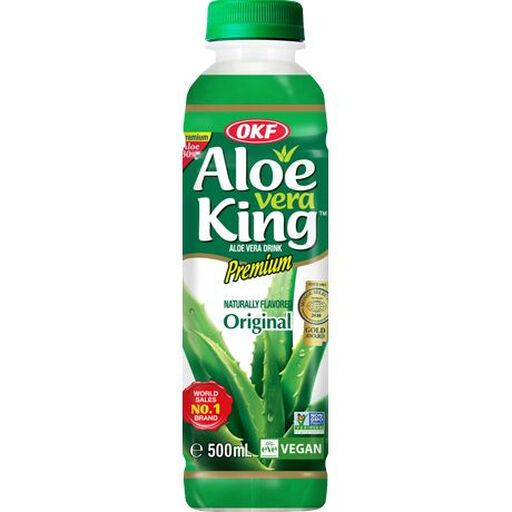
Why it suits this profile: A single 500 ml bottle is an easy way to try the flavour and texture of aloe vera drink without immediately ordering a large pack.
You are not immediately committed to several litres when you do not yet know whether the aloe vera gel suits your taste preferences.
500 ml volume; according to the product information, free from the 14 main EU allergens.
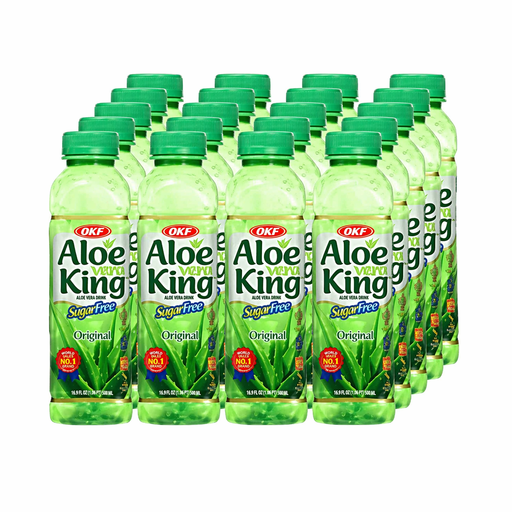
Why it suits this profile: This bundle is designed for households that regularly want to serve a chilled 500 ml aloe vera drink.
The sugar and nutritional information is stated on the product page; check the current packaging before buying and consuming.
20 bottles of 500 ml; the product information states that it contains 21% organic aloe vera juice and 9% aloe vera gel.
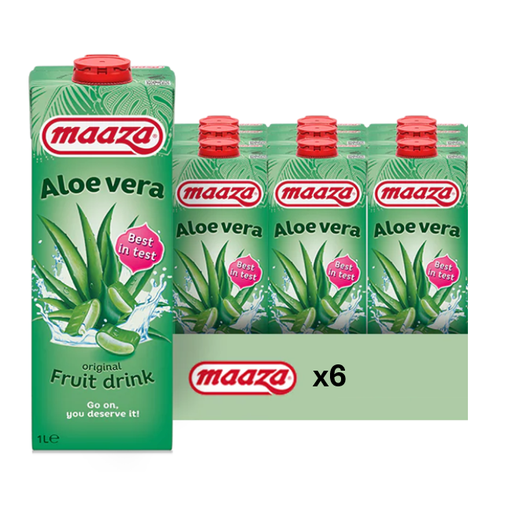
Why it suits this profile: Six litres divided into 1-litre bottles are suitable for families, catering-style stock or regular use with meals.
The volume per bottle is clearly stated, so you can estimate in advance how much fridge and storage space you will need.
6 × 1 litre; according to the product information, caffeine-free and suitable as a liquid aloe vera drink.
We have put together a complete, up-to-date list of products that fully meet these strict selection criteria and the applicable European safety regulations.
Not everyone is looking for the same flavour. If you like soft fruit pieces, you may want to consider KATO Blackcurrant Juice with Nata de Coco 320ml x 24. According to the product information, this drink contains 15% nata de coco and has a blackcurrant flavour. For a large bottle without gel pieces, options include Cooling Hydration Huiyuan Apple Juice 1L, with water and concentrated apple juice as ingredients.
Fans of savoury fruit drinks can choose g'woon Tomato Juice - 1 L or Appelsientje Tomato Juice 100% Pure Juice 1L. When buying tomato juice, pay particular attention to the salt content. For a drink containing plum, pear and apple, such as *ORILABO Prune Blended Juice 200 ml 12, the percentage of prune juice and the total amount of juice are relevant when making your comparison.
Not always. Aloe vera juice may contain a higher proportion of juice, while an aloe vera drink may also contain water, gel, fructose, flavourings, acids or stabilisers. Check the ingredients list and the percentage of aloe vera on the label.
Store an opened bottle in the fridge, close the cap securely and follow the period stated on the packaging. Do not drink the contents if the seal was already broken when you received it. The exact storage period may vary by brand and variant.
No. A sugar-free variant may contain sweeteners or other sweetening ingredients. Alongside the “sugar-free” claim, check the ingredients list and nutrition table. This will give you a better idea of the flavour and composition than the front of the packaging.
