
Protein-conscious football fan
You want to know how much protein a measured handful provides, rather than treating a whole bag as one portion. If you train yourself, consider the snack as part of your overall diet too.


Choose unsalted almonds if you want a snack while watching Oranje that fits with the advice to choose unsalted nuts. According to the Netherlands Nutrition Centre, a standard 25 g handful of unsalted almonds provides 5.4 g of protein and 158 kcal; always check the nutrition table for the specific brand. Choose savoury roasted almonds if flavour is your priority, and check the salt and ingredients separately. If you train yourself, consider the snack as part of your overall diet.
You want to know how much protein a measured handful provides, rather than treating a whole bag as one portion. If you train yourself, consider the snack as part of your overall diet too.
You’re looking for an unsalted option for the match and want to be able to tell which products are unsalted or unroasted.
You want to share roasted or seasoned almonds and check the flavourings and salt separately.
Start with the nutritional value of the portion you actually plan to eat. Then choose based on how the almonds are prepared and their flavour: unsalted, unroasted and savoury roasted describe different qualities.
| What to consider | What to look for when buying | Who it’s for |
|---|---|---|
| Protein per portion | Compare protein and energy using the same serving size. For standard unsalted almonds, the Netherlands Nutrition Centre gives values of 5.4 g of protein and 158 kcal per 25 g; these aren’t brand-specific figures. | If you train yourself or want to measure out your snack portion carefully, you’ll want to know what it contributes. Around 36% of consumers focus mainly on the protein content. |
| Choosing unsalted | Check the variety name, ingredients and salt information. For standard salted almonds, the Netherlands Nutrition Centre gives a salt value of 0.27 g per 25 g; this isn’t a figure for a specific brand. | If you want an unsalted snack during the match, check the label rather than relying on how the almonds are prepared. Around 29% of consumers prioritise choosing unsalted products. |
| Flavour and preparation | Look out for terms such as unroasted, roasted and salted, and read the ingredients list for the exact flavour variety. | If you’re mainly looking for a savoury snack to share, you’ll want to know which flavourings have been added. Around 21% of consumers focus first on savoury flavour and preparation. |
| Packaging and storage | Compare the net weight with the portion you want to serve and follow the storage instructions. Also check whether the packaging is resealable. | If you’re sharing a bag or want to keep leftovers, the packaging is part of your decision. Around 14% of consumers focus mainly on pack size and storage. |
The Netherlands Nutrition Centre’s standard reference portion is 25 g: this amount of unsalted almonds contains 5.4 g of protein and 158 kcal. A larger portion also provides more energy.
Decide in advance how much you want to eat and compare the nutritional values for that portion. Don’t treat values per 100 g as values for one handful.
Duyvis describes Almonds Original as oven-roasted with no added oil or fat, but the listed ingredients include salt.
Check the salt and ingredients separately from the preparation method on the label of the variety you’re buying.
Almonds are tree nuts and can cause an allergic reaction.
If you’re sharing snacks, ask about any relevant allergies and keep the packaging to hand. Don’t choose an almond snack for anyone with an almond allergy.
Duyvis describes Almonds Original as savoury oven-roasted almonds in a 125 g pack.
AH Unsalted Almonds is an option if you specifically want to choose an unsalted variety.
Jumbo lists unsalted almonds in a 140 g pack.
PLUS lists a 200 g bag of unroasted, unsalted almonds.
Lidl has a Dutch product page for almonds described as unsalted.
ALDI describes a Trader Joe’s variety as unroasted and untreated.
These products offer different ways to compare almonds for a football night: plain, unsalted or savoury.
 No image available
An option if you’re looking for plain almond kernels to snack on.
The ingredients list states 100% almond kernels. The product information gives 21.5 g of protein and 0.028 g of salt per 100 g.
 No image available
An option if you’re looking for raw, unsalted almonds to snack on.
The product information gives 24 g of protein and 0.03 g of salt per 100 g. Once opened, keep the pack closed and store it in a cool, dry place.
 No image available
An option if you’re looking for plain almonds to enjoy as a snack.
The ingredients list states 100% almonds. The product information gives 21 g of protein and 0.00 g of salt per 100 g. Keep the pack tightly closed after opening.
 No image available
An option if you want to serve roasted, salted almonds before the match.
The product information gives 21 g of protein and 1 g of salt per 100 g, and lists sunflower oil. This isn’t an unsalted variety.
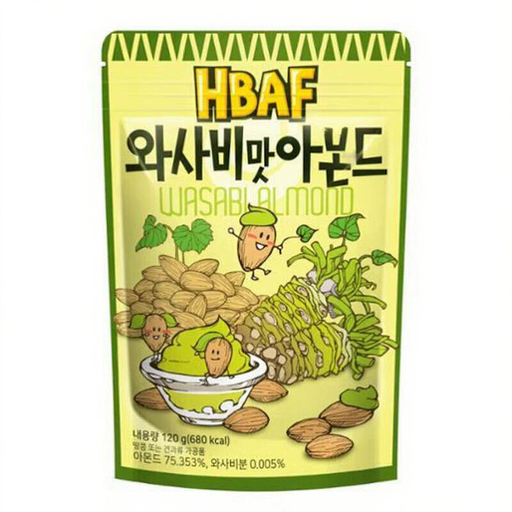 No image available
A seasoned option if you’re looking for a bold flavour to share.
The product information lists 75% almonds, wasabi and mustard seasoning, 11 g of protein and 0.25 g of salt per 100 g. The ingredients list also includes mustard, milk and soya.
According to standard data from the Netherlands Nutrition Centre, 25 g of unsalted almonds contains 5.4 g of protein and 158 kcal. Check the nutrition table for the specific flavour and brand you choose.
No. Watching football in itself isn’t a reason to eat more protein. For those who do strength or endurance training, the Netherlands Nutrition Centre recommends a varied diet; most people who play sport don’t need special protein shakes or bars.
No. Duyvis describes Almonds Original as oven-roasted with no added oil or fat, while the listed ingredients include salt. Check the preparation method and salt information separately.
Follow the instructions on the packaging for the variety you’ve chosen. For the unsalted almonds reviewed, Jumbo advises storing them in a cool, dark place; the Trader Joe’s variety at ALDI is described as having resealable packaging.
Check the label on the exact product packaging. The NVWA states that allergen information for pre-packed products must appear on the label. Almonds are tree nuts; don’t choose an almond snack for anyone with an almond allergy.