What should you look for when choosing?
Start with the ingredient a guest needs to avoid, then check that the packaging and serving arrangements meet their needs.
| What to consider |
What should you check? |
Who is this most important to? |
| The allergen to avoid |
Ask which ingredient needs to be avoided, then read the ingredients and allergen information for the exact product. Almonds themselves are a nut allergen, according to the Dutch Food Allergy Foundation. |
When I’m buying snacks for different neighbours, I want to know whether anyone needs to avoid almonds and exactly what’s in the product I’ve chosen. Around 31% of consumers prioritise suitability for the allergen they need to avoid. |
| Choosing and serving gluten-free food |
Check the gluten-free information and any relevant warnings. Prepare the snack separately and use clean serving cutlery if there’s also food containing gluten on the table. The Dutch Coeliac Association recommends preparing gluten-free foods separately. |
When I follow a strict gluten-free diet, I want to check more than just the packaging; I also want to prevent crumbs or shared cutlery from coming into contact with the snack. Around 25% of consumers prioritise choosing and serving gluten-free food. |
| Milk or lactose |
Find out whether the concern is milk ingredients or lactose, then check the ingredients and warnings relevant to that restriction. The Netherlands Nutrition Centre distinguishes between milk allergy and lactose intolerance. |
When I need to avoid milk or lactose, I want to know which component is relevant to me before choosing a product. Around 25% of consumers prioritise this specific suitability. |
| Serving and storage |
Check how the packaging closes and follow the storage instructions for the exact product. Keep the product information with the snack and use separate, clean serving cutlery if cross-contamination is a concern. |
When I’m getting everything ready for the get-together and won’t serve it all at once, I want to be able to store the packaging and offer the snack separately. Around 19% of consumers prioritise practical serving and storage. |
Almond products at Joybuy
These Joybuy products are almond varieties for guests who can eat almonds. Check each pack to make sure the ingredients and warnings meet the guest’s dietary needs.
 No image available
g’woon Almonds Raw & Unsalted, 200 g
The product title describes raw, unsalted almonds for anyone looking for this variety who can eat almonds.
The product information says to keep the pack closed after opening.
Contains almonds and isn’t suitable for guests who need to avoid them.
View at Joybuy
 No image available
Anatolia Roasted Salted Almonds, 500 g
The product title describes roasted, salted almonds for anyone looking for this combination who can eat almonds.
The pack contains 500 g.
Contains almonds and isn’t suitable for guests who need to avoid them.
View at Joybuy
 No image available
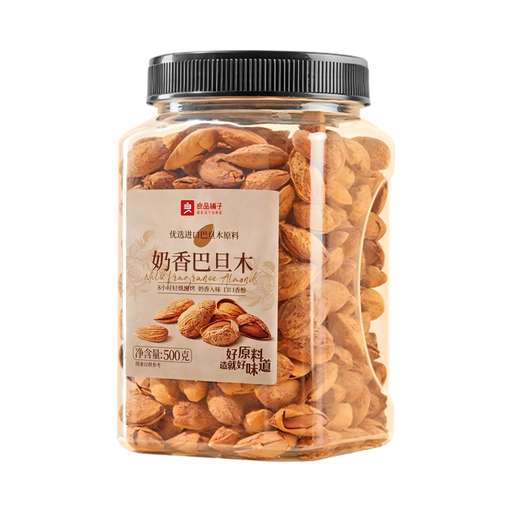
Bestore Milk-Flavored Almonds with Sweetener, 500 g, Canned
The product name describes almonds with a milk flavour and sweetener for anyone looking for this variety; the flavour description doesn’t confirm whether the product is suitable for someone avoiding milk.
The product information says that products containing milk and gluten are also handled in the production environment. Take this into account for the relevant dietary need.
Contains almonds and isn’t suitable for guests who need to avoid them.
View at Joybuy
Frequently asked questions
Can you offer almonds as an allergen-free snack at a get-together?
Not as a general promise: almonds are themselves among the nut allergens, according to the Dutch Food Allergy Foundation. If a guest needs to avoid almonds, choose a different snack and assess it separately.
What does ‘gluten-free’ mean?
Under EU Regulation 828/2014, a product can be labelled gluten-free if it contains no more than 20 mg of gluten per kg. The label doesn’t mean the product is free from almonds, milk or other allergens.
How should you serve almonds to someone on a strict gluten-free diet?
Prepare and serve the snack separately, using clean cutlery and clean surfaces. Keep the almonds away from bread crumbs and shared kitchen utensils; this follows the Dutch Coeliac Association’s advice to prepare gluten-free foods separately.
Is a lactose-free label enough for someone with a milk allergy?
No. Lactose intolerance involves milk sugar, while a milk allergy involves milk proteins, as the Netherlands Nutrition Centre explains. For a milk allergy, check the milk ingredients and allergen information rather than relying on a lactose-free label alone.
How should you store an opened pack of almonds?
Follow the storage instructions for the exact variety. The product page for Jumbo Unsalted Almonds 140 g says to store them in a cool, dry place away from light; the ALDI product description for the 200 g variety mentions a resealable pack. These features don’t tell you how long all almonds will keep after opening.


