What should you look for in almonds?
The percentages reflect consumers considering almonds as a diet-conscious snack. Even if you decide not to buy almonds after checking the information, that choice is part of the decision.
| What to consider |
What to look for |
Who is this most important for? |
| Avoiding the right allergen |
Check the ingredients and allergen warnings separately, including information about possible traces. |
If I need to avoid almonds, peanuts or other nuts, I check the full product information first. For around 31% of consumers, avoiding these allergens comes first. |
| Gluten-free product information |
Look for the label on the exact product variant and check for other allergens separately. |
Anyone who needs gluten-free information will want to see it on their chosen product and check for other warnings at the same time. For around 25% of consumers, this is their top purchasing priority. |
| Milk ingredients or lactose |
Work out whether you need to avoid milk ingredients or lactose, then check the relevant information. |
If I need to avoid milk ingredients or lactose, I want to know which of the two matters for my choice. This is the top priority for around 19% of consumers. |
| Simple, unsalted ingredients |
Compare the ingredients, preparation method and salt per 100 g. |
If you’re mainly looking for a simple, unsalted variety, compare the ingredients and preparation method once you’ve considered your dietary requirements. Around 13% of consumers prioritise this preference. |
| Quantity and packaging |
Check the net weight and whether the packaging is resealable. |
If I use almonds regularly, I want a quantity and pack that suit my needs. For around 12% of consumers, packaging is their top purchasing priority. |
Almond products at Joybuy
These options range from plain almonds to raw, salted and flavoured varieties. Always check the information on the exact packaging to see whether it suits your diet. None of these options is suitable if you need to avoid almonds.
 No image available
Jia Zhou Yuan Ye Original Almond Kernels 160 g
An option if you’re looking for a simple almond product and can eat almonds.
The ingredients information lists 100% almond kernels.
View at Joybuy
 No image available
g'woon Almonds Raw & Unsalted 200 g
A good fit if you prefer raw, unsalted almonds, provided almonds suit your diet.
The product title says raw and unsalted; the ingredients information lists almonds.
View at Joybuy
 No image available
Anatolia Badem Natural (Almond) 500 gr
An option if you’re looking for a simple almond product and can eat almonds.
The ingredients information lists 100% almonds.
View at Joybuy
 No image available
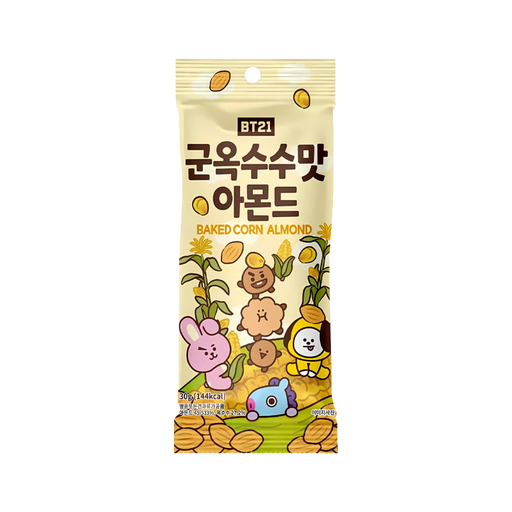
BT21 Baked Corn Flavor Almond M 30 g
A flavoured option if the listed ingredients fit your diet.
The ingredients information includes corn, sugar, honey, condensed milk and soya. Check these ingredients if you need to avoid milk ingredients or soya.
View at Joybuy
 No image available
Anatolia Roasted Salted Almonds 500 g
An option if you’re looking for roasted, salted almonds and can eat almonds.
The product title says roasted and salted; the ingredients information lists almonds and salt.
View at Joybuy
Frequently asked questions
Are almonds an allergen-free snack?
No. Almonds can be a food allergen in their own right, so a gluten-free or lactose-free label doesn’t make an almond product suitable if you need to avoid almonds. Check the exact packaging for warnings about other allergens too.
Is lactose-free the same as suitable for someone with a milk allergy?
No. Lactose is milk sugar, while a milk allergy involves milk proteins. According to the Voedingscentrum, lactose intolerance and milk allergy are different conditions. So don’t rely on a lactose-free label alone when checking whether a product is suitable for someone with a milk allergy.
Does a market trader have to provide allergen information for loose almonds?
Yes. The NVWA says allergen information must be available before purchase for unpackaged products too. The information can be given verbally, but customers must be clearly told that they can ask for it.
Does gluten-free mean free from all allergens?
No. Gluten-free product information relates to gluten and doesn’t mean a product is free from almonds, peanuts, milk or other allergens. The Dutch Coeliac Society recommends checking the information on the label. You should also check the other ingredients and warnings.
What has changed about warnings for possible cross-contamination?
Since 1 January 2026, new rules have applied in the Netherlands on how and when food businesses must warn about possible cross-contamination with allergens. The Netherlands Food and Consumer Product Safety Authority and the Ministry of Health, Welfare and Sport’s Regular Consultation on the Commodities Act explain this policy change. A warning about possible traces is different from an ingredient that is actually used in the recipe.


