
Vandaag of morgen in huis

Kwaliteit gegarandeerd

Welkomstaanbiedingen ontgrendelen: GRATIS bezorging | Tot 80% korting | Gratis 30 dagen JoyPlus-proefperiode
Download de app
An almond snack may seem simple to choose, but packaging can differ in ways you might only notice after buying. A small bag, for example, may contain a relatively large amount of sugar, while a protein-labelled almond bar can also be high in fat or fibre. And not every product with “almond” in its name is the same: some contain whole almonds, while others contain only a small percentage of almond or almond flavouring.
Use these practical checks to compare almond snacks by flavour, size, ingredients, nutritional values and allergens. Then discover some popular options for home, on the go, at work or at a party.
A 32 or 54-gram portion may seem modest, but nutritional values are often listed per 100 grams. For example, according to the product information, Lotte Pepero Snowy Almond contains 525 kcal, 35 grams of sugar and 27 grams of fat per 100 grams. That makes it a sweet treat, not automatically an everyday or light snack.
So always compare:
Some bars use fibre, syrups or sweeteners to affect their flavour and texture. Holie’s Chewy Bar Amandel Speculaas, for example, is labelled 0% added sugar in the product information, yet the bar still contains carbohydrates. Check the full ingredients list and the “of which sugars” figure, rather than relying on the front of the pack alone.
A high-protein snack can still be high in calories, too. For an almond bar, protein, fibre, fat and portion size matter more together than any one prominent claim.
Almonds are among the allergens that must be clearly listed on labels in the EU. Products may also contain wheat, milk, soya, peanuts, other nuts or coconut. If you have an allergy or intolerance, check the current packaging. Recipes and warnings about cross-contamination can change.
If almond appears near the top of the ingredients list, it’s usually an important part of the product. That doesn’t automatically mean the snack is low in sugar or fat. Sapori Cantuccini, for example, lists 20% almonds, while Holie’s Chewy Bar Amandel Speculaas contains 9.1% almonds.
For almond biscuits, cantuccini or almond chocolate, it’s also useful to check:
Use the per-100-gram figures to compare products fairly. Check the portion size to see how much you’ll actually eat. A snack that’s high in protein or fibre won’t necessarily suit every occasion.
Examples from the product information:
If you’re looking for a healthy almond snack, you can use these figures as a point of comparison. But what counts as “healthy” depends on your overall diet and personal preferences.
An individually wrapped bar is handy on the go or at the office. Biscuit sticks are easy to share, while cantuccini go well with coffee or tea. Savoury seasoned almonds can be served as a snack with drinks or used as a topping.
Check the storage instructions, too. Most products should be kept in a cool, dry place away from direct sunlight. Once opened, resealing the pack securely helps keep the snack crisp and flavourful for longer. Always check the best-before information on the packaging.
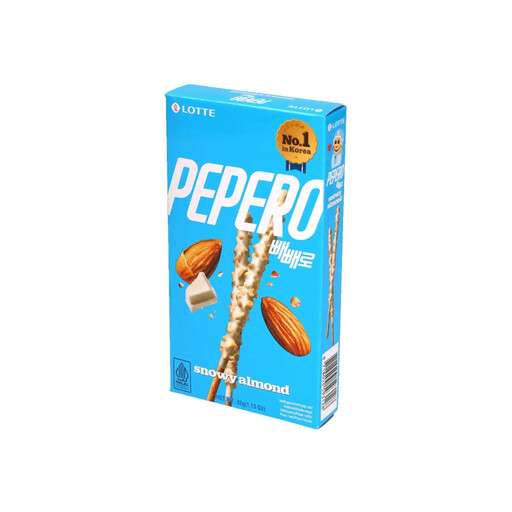
Why it suits this profile: A small pack of biscuit sticks with white chocolate, almond pieces and coconut. A handy way to try an Asian snack without buying a large quantity.
The portion size makes it easy to keep track of how much you’re eating. Do check the allergens: the product contains wheat, milk, soya, almonds and coconut, among other ingredients.
32 grams per pack, halal-certified according to the product information, and suitable as a sweet snack to share.
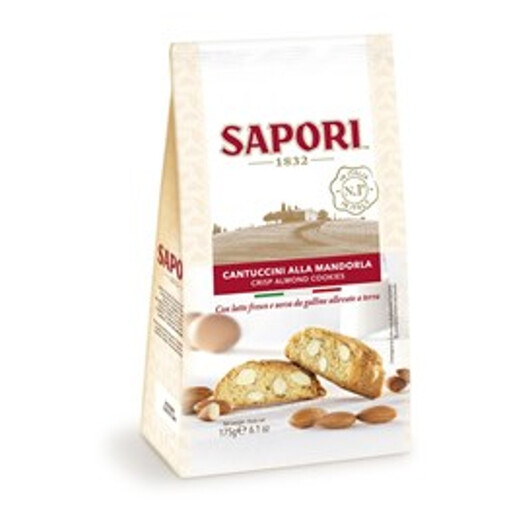
Why it suits this profile: These Italian almond biscuits are baked twice and made to enjoy with coffee or tea. The product information lists an IGP quality designation.
The stated almond content of 20% gives you more information than just the name on the front of the pack. The biscuits do contain gluten, egg, milk and nuts.
175 grams, 20% almonds according to the label, and a firm, crunchy texture thanks to the double baking.
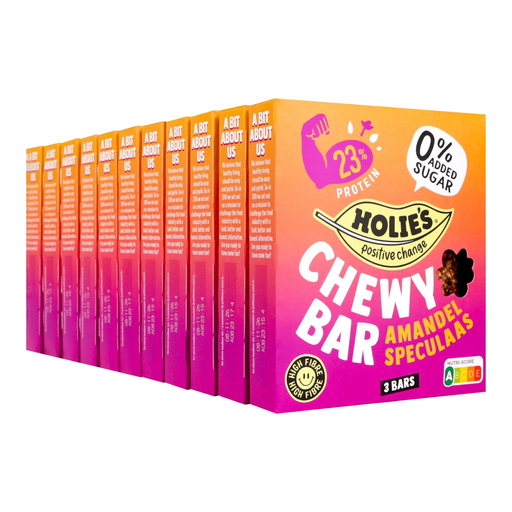
Why it suits this profile: A multipack for the office, school or everyday snacking. According to the product information, each bar contains 23 grams of protein and 24 grams of fibre per 100 grams.
The nutritional values give you a clearer picture than the added-sugar claim alone. Please note: the bar contains spelt, wheat, barley and almonds, and may contain traces of other nuts.
11 packs, each containing three bars, 23 grams of protein per 100 grams, and a distinctive speculaas spice flavour.
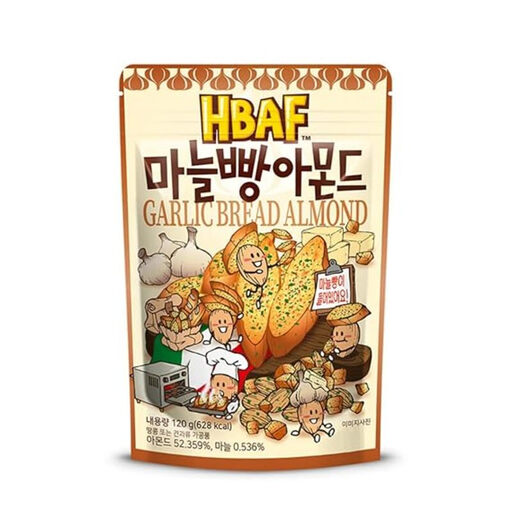
Why it suits this profile: A savoury Korean snack for anyone who would rather skip almond chocolate or sweet biscuits. Its flavour is inspired by garlic bread and herbs.
The flavour is clearly described, and the nutritional information also lists the salt content: 1.9 grams per 100 grams. That can help you make an informed choice.
120 grams, a savoury flavour and, according to the product information, 16 grams of protein per 100 grams.
We’ve put together a complete, up-to-date list of products that meet these strict selection criteria and the applicable European safety regulations.
It depends on the ingredients and when you eat them. Almonds provide fats, protein and fibre, among other nutrients, but chocolate, biscuits and seasoned coatings can also add sugar, salt and extra calories. Compare the label per 100 grams and check the portion size.
An individually wrapped almond bar or a small pack of biscuit sticks is easy to carry in a bag or keep in a desk drawer. Choose a product that stays well sealed and check the storage instructions. Multipacks of bars are handy if you want to stock up; cantuccini or a bag of seasoned almonds are better for sharing.
Always follow the date and instructions on the packaging. Store the snack in a cool, dry place away from direct sunlight. Seal an opened bag or box securely, and ideally eat crunchy products soon after opening, as moisture can affect their texture.
