
Vandaag of morgen in huis

Kwaliteit gegarandeerd

Welkomstaanbiedingen ontgrendelen: GRATIS bezorging | Tot 80% korting | Gratis 30 dagen JoyPlus-proefperiode
Download de app
Almond snacks come in many varieties: from natural almonds and roasted almonds to almond biscuits, almond chocolate, almond bars and Asian almond snacks. With such a wide selection, choosing isn’t always straightforward. A packet labelled “premium”, “natural” or “light” doesn’t automatically tell you how many almonds are inside or which allergens are present.
This guide helps you compare products based on verifiable information. That way, you can buy almonds that suit your taste, the occasion and your budget.
A product with “almond”, “almonds” or “amandel” on the front can contain plenty of sugar, chocolate, flour, syrup or coating alongside the almonds. So always check the quantitative ingredient declaration. Sometimes it will state, for example, “almonds 8%”, “almonds 20%” or “100% almonds”.
With biscuits and baked goods, the almond percentage is often lower than with natural or roasted almonds. That’s not necessarily a problem, but it does determine the flavour and the type of product.
Nuts naturally contain fats, protein and fibre, but almond snacks can also contain sugar and salt. An almond bar or chocolate product isn’t automatically a healthy everyday snack. Look at the nutritional information per 100 grams and pay particular attention to sugar, saturated fat and salt.
For a fair comparison, portion size also matters. A small 30-gram bag may contain fewer nutrients per pack than a large bag, even though the table is usually shown per 100 grams.
Almonds fall under the tree nut allergens. Products may also contain milk, soya, gluten, peanuts or egg. The warning “may contain traces of” is also relevant if you have an allergy. Don’t rely solely on the product image: always check the actual label.
Once opened, biscuits and roasted nuts lose their crunch more quickly. A resealable packet or individually wrapped portions can be handy here. Store the snack according to the instructions on the packaging, usually in a cool, dry place away from direct sunlight.
For a pure nut flavour, choose a product with almonds listed as the first ingredient. Anatolia Badem Natural states 100% natural almonds. With spiced or sweet varieties, check which ingredients have the largest share after the almonds.
With almond biscuits, almond biscotti and chocolate, the ratio is especially important. Sapori Cantuccini contains 20% almonds according to the product information. Toblerone Milk Almond Nougat states 1.6% almonds, alongside milk chocolate and honey. Both are sweet almond snacks, but the almond plays a very different role in each.
Don’t just compare calories. Look at:
The values on the product page are a useful guide. The label on the packet you receive is the definitive source, as recipes or packaging information can change.
A 500-gram pack is ideal for home use, baking or multiple snacking sessions. For work, school or on the go, smaller packs are more convenient. Individual portions also limit exposure to air and moisture after opening.
Think about the flavour profile too. Natural almonds are versatile in yoghurt, salads and baking recipes. Roasted almonds offer more crunch. Wasabi, garlic or other spiced varieties are better suited to a drinks party. For coffee or tea, almond biscuits and biscotti are a natural choice for many shoppers.

Why this fits the profile: A straightforward choice if you want to try natural almonds, use them at home or portion them yourself.
The product information states 100% almonds and 0.00 grams of salt per 100 grams. There is no sweet coating or spice mix to disguise the composition.
500 grams; suitable for eating straight away, baking or adding to yoghurt, salads and desserts.
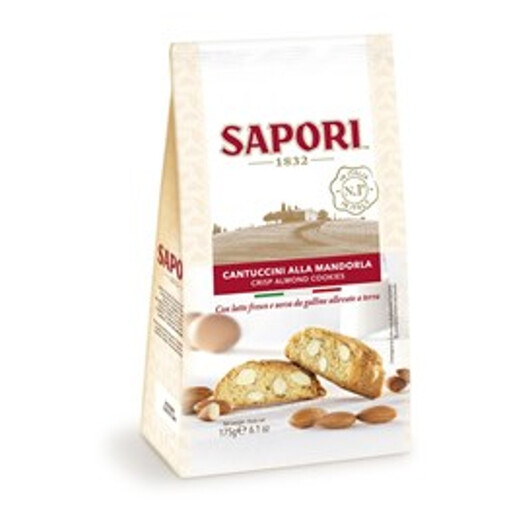
Why this fits the profile: Ideal if you’re after a crunchy Italian almond snack to enjoy with espresso, coffee or tea.
The stated almond percentage is 20%, so you can compare the product name against a concrete ingredient value. It is still a sweet biscuit product, though.
175 grams; 20% almonds; twice-baked for the classic biscotti texture.

Why this fits the profile: A practical bulk pack for drinks parties, snack bowls or anyone who loves savoury almonds.
The ingredients list is clear: almonds and salt. The salt content of 1.0 gram per 100 grams is stated, so you can factor that into your decision.
500 grams; roasted; just two listed ingredients; ready to serve straight away.
We’ve put together a full, up-to-date list of products that fully meet these strict selection criteria and comply with current European safety regulations.
Small, individually wrapped products are practical for eating on the move. Think of an almond bar, a 30-gram bag of BT21 Wasabi Almond or individually wrapped almond biscuits. With international products, always check the allergen information and the best-before date.
No. Check the ingredients list and the nutritional information. Natural almonds often contain only almonds, whereas roasted or spiced varieties can include extra salt, oil, sugar or flavourings. The description on the front isn’t enough to determine this.
Keep them sealed in a cool, dry place, away from heat, moisture and direct sunlight. Close the packet properly to maintain their crunchy texture. If in doubt, follow the storage advice on the label and don’t use a product if the packaging is damaged.
