
Vandaag of morgen in huis

Kwaliteit gegarandeerd

Welkomstaanbiedingen ontgrendelen: GRATIS bezorging | Tot 80% korting | Gratis 30 dagen JoyPlus-proefperiode
Download de app
When you search for almond products online, you’ll quickly come across a long list of nuts, almond biscuits, almond oil and skincare products for dry skin. The packaging often tells you how tasty, natural or nourishing something is. Yet terms like these don’t always tell you enough about the ingredients, how to use them, or whether they’re right for you.
With this practical checklist, you can compare products based on verifiable information. That way, you’ll avoid paying too much for a small pack, choosing a snack with unexpectedly high salt, or buying a skincare product that doesn’t suit your skin type.
Almonds naturally contain fats, protein and fibre, but an almond snack can also contain salt, sugar, oil or flavourings. Always check the ingredients list and the nutritional information per 100g. This makes it easier to compare products with different pack sizes.
With roasted almonds, the difference between unsalted and salted almonds is immediately relevant. A salty coating changes both the taste and the salt content. Flavoured varieties may also contain sugar, milk, soya, mustard or wheat.
In cosmetics, almond oil is sometimes prominently displayed on the front, while the ingredient appears lower down on the full list. So check the INCI list. The name Prunus Amygdalus Dulcis Oil refers to sweet almond oil.
Also look out for perfume and fragrances. A product may be intended for dry or sensitive skin, yet still contain perfume allergens. NIVEA products in this selection, for example, contain different combinations of nourishing ingredients, perfume or fragrances. Check the current packaging if you have a sensitivity.
A 500g bag may seem cheaper per purchase than a 150g or 200g bag, but compare the price per 100g. Also think about how you’ll use it: a larger bag is practical for regular snacking, but once opened it needs to be sealed tightly and stored in a dry place to prevent quality loss.
When comparing almond products, look at these points:
For young children, whole nuts pose a choking hazard. Follow the warnings on the packaging and adapt the form of the snack to the child’s age.
If you’re looking for care for dry skin, it’s worth paying attention to:

Why this fits the profile: A straightforward choice for anyone wanting to try unsalted almonds without a flavour coating or extra spices.
The ingredients list only mentions almonds. So you can see exactly what you’re buying without having to factor in a spice mix or added oil.
200g content, unsalted and suitable for use in porridge, salads or homemade snacks. Contains 24g protein and 13g fibre per 100g according to the product information.
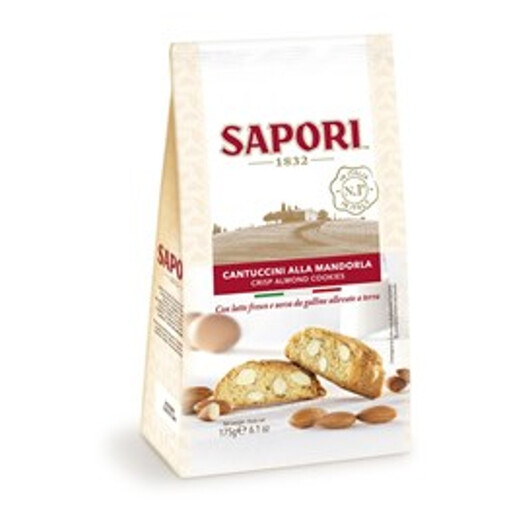
Why this fits the profile: For lovers of Italian biscuits who want a hard, crunchy texture to enjoy with coffee or tea.
This isn’t a product you should judge as an unsalted nut snack. The ingredients and nutritional information make it clear that this is a sweet biscuit.
175g, with 20% almonds according to the product information. Contains wheat, egg and milk; check this carefully if you have allergies.
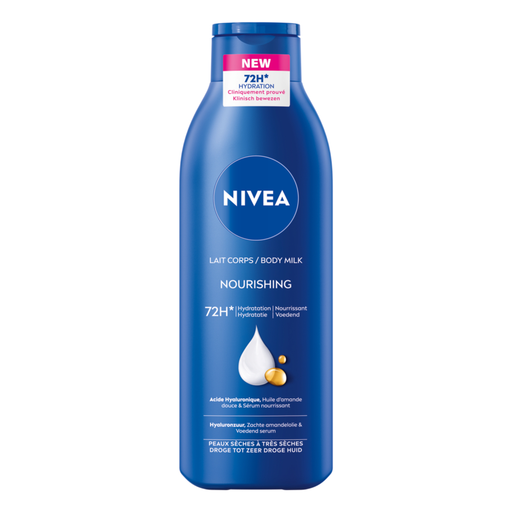
Why this fits the profile: For anyone who uses daily care for dry to very dry skin and wants a body milk that, according to the product description, absorbs quickly.
The product information lists both the 250ml size and the ingredients, including glycerine, sodium hyaluronate and Prunus Amygdalus Dulcis Oil. This allows you to compare the formula directly.
Contains almond oil and hyaluronic acid according to the ingredients list. The manufacturer mentions a non-greasy texture and a claim of up to 72 hours of hydration; check the packaging for the most up-to-date information.
We’ve put together a full, up-to-date list of products that fully meet these strict selection criteria and comply with current European safety regulations.
That depends on your diet, portion size and any allergies. Compare the nutritional information and choose a variety that suits your preference for salt, spices or sugar. Whole nuts are not suitable for young children due to the risk of choking.
Store nuts and biscuits according to the packaging in a cool, dry and dark place. Seal an opened bag tightly. For cosmetics, check the shelf life information, batch details and any warnings on the packaging.
Look at the product type and ingredients. A body milk is intended for the body, while an almond cream or day cream is for the face. Always check whether perfume or specific fragrances are present, and stop using if irritation occurs.
