
Vandaag of morgen in huis

Kwaliteit gegarandeerd

Welkomstaanbiedingen ontgrendelen: GRATIS bezorging | Tot 80% korting | Gratis 30 dagen JoyPlus-proefperiode
Download de app
Almond products vary widely. An unsweetened almond drink is intended for coffee, breakfast or cooking, whereas almond bars, almond granola and almond chocolate are better suited as a snack. Their nutritional value also differs considerably. A product with “almond” on the front can contain a lot of sugar, syrup or other ingredients.
So if you’re looking to buy almond products online, it’s a good idea not just to look at the packaging or health-sounding terms. Instead, check the ingredients list, the nutrition table, the allergen information and the pack size.
An almond drink without added sugar doesn’t automatically contain a lot of protein. For example, the product information for Melkan Unsweetened Almond Drink states 0 grams of sugar and 0.4 grams of protein per 100 millilitres. This makes it suitable for anyone wanting to cut down on sugar, but not necessarily for someone looking for extra protein.
So with almond milk and almond drinks, always look at the values per 100 millilitres. Also check whether calcium and vitamins have been added, and whether the drink is intended as a plant-based alternative to dairy.
With high-protein almond bars and almond granola, the protein content matters, but the source counts too. According to the product information, Holie’s Chewy bar contains 17% wheat protein, while almonds make up 9.1% of the ingredients. So the bar isn’t exclusively an almond product.
Also pay attention to fibre, fats, sugars and polyols or sweeteners. A low sugar content can go hand in hand with a different sweetener or a high fibre content that affects the texture.
A single almond bar is handy for on the go, but a multipack can work out differently financially. So when comparing almond bars, roasted almonds and almond snacks, look at the price per 100 grams. With bulk packs, the shelf life is also important. A large pack is only useful if you can use it before the stated date.
Ingredients are listed in descending order by weight. According to the product information, Dr. Oetker Almond Paste contains 46% almonds, alongside sugar, water and processing aids. That’s quite different from a product where sugar or grains are the first ingredient.
For almond paste and almond speculaas, the purpose also matters. An almond paste for baking often contains a relatively high amount of sugar and is intended as a filling or base for pastries. So you use it differently from pure nut butter.
Use the values per 100 grams to compare products fairly. Look out for:
A product high in protein isn’t automatically suitable for every occasion. Holie’s Granola Protein Amandel Speculaas states 20 grams of protein and 14 grams of fibre per 100 grams, but also contains soya, peanuts, barley, oats, spelt and almonds.
Almonds fall under the mandatory allergen information in the European Union. Always check the label if you have a nut allergy. Also look out for the phrase “may contain”.
For example, the KIND Caramel Almond Nut Bar states that it may contain peanuts and other nuts. Holie’s granola lists soya and peanuts alongside almonds, with possible traces of cashew, hazelnut and pecan, among others. Magnum products mention milk and various nuts.
The current packaging is the deciding factor. Product compositions, allergens and nutritional values can change.
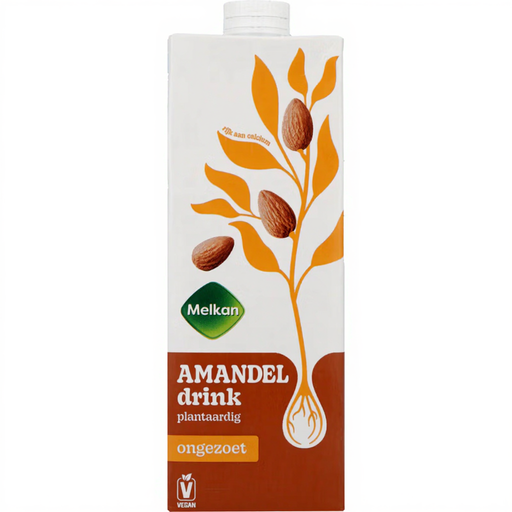
Why it fits this profile: A straightforward choice for breakfast, coffee, smoothies or cooking, with no added sugar according to the product information.
The table states 0 grams of sugar per 100 ml, so “unsweetened” can be verified against the nutritional values.
1 litre pack; 0.4 grams of protein, 0.4 grams of fibre and added vitamins per 100 ml according to the product information.
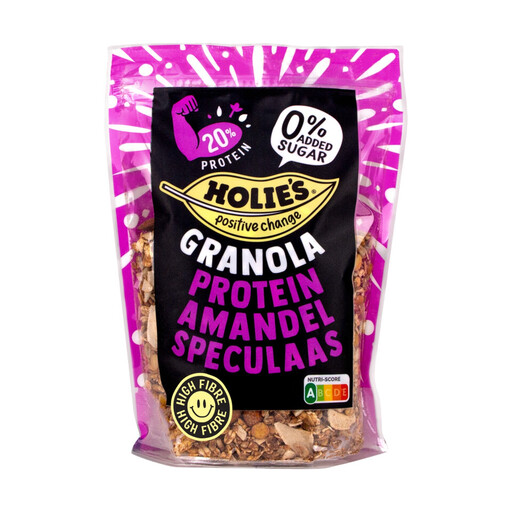
Why it fits this profile: For those who value breakfast and want to combine speculaas spices, grains, seeds and almonds.
The nutritional information states per 100 grams: 20 grams of protein, 14 grams of fibre and 3.4 grams of sugars.
350 grams; 0% added sugar according to the product description; clear allergen labelling.
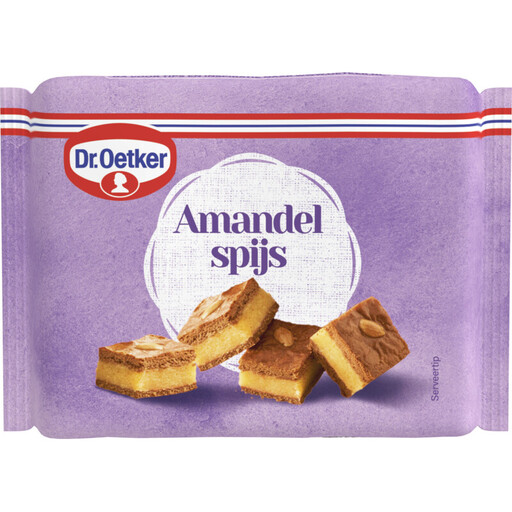
Why it fits this profile: Handy for home bakers who want to use an almond-paste-style filling in butter cake, filled speculaas or other pastries.
The application is clearly described and the percentage of almonds is stated, so you won’t confuse it with pure almond butter.
Ready to use; 300 grams; 46% almonds and a stated storage recommendation according to the product information.
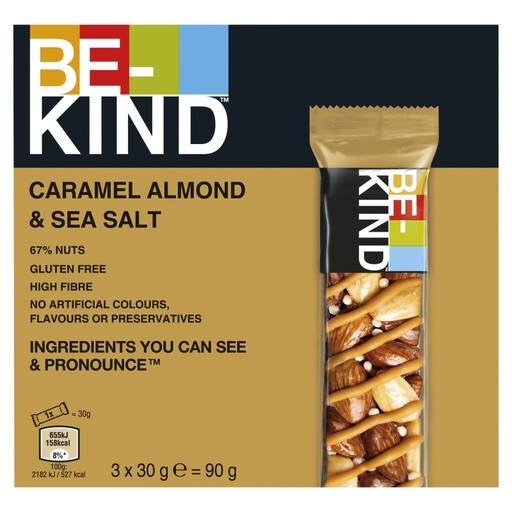
Why it fits this profile: An individually wrapped bar for work, travel or a quick snack between appointments.
The product information gives concrete nutritional values: 16 grams of protein and 40 grams of fat per 100 grams. Do check the allergen statement about peanuts and other nuts.
Individually wrapped; gluten-free according to the product description; almonds listed as the first ingredient.
We’ve put together a full, up-to-date list of products that fully meet these strict selection criteria and current European safety regulations.
In shops, both terms are used for plant-based drinks made from water and almonds. Check the proportion of almonds, sugar, protein and added vitamins on the label. The name alone doesn’t tell you enough about the composition.
No. Look at the nutrition table per 100 grams and check which ingredients provide the protein. A bar may contain almonds, but also mainly grains, fibre, syrup or chocolate. Also watch out for possible traces of other nuts, peanuts, milk and soya.
Always follow the storage advice on the packaging. Almond drink usually needs to be refrigerated after opening. Dry snacks, almond granola and almond paste should generally be kept in a cool, dry place, tightly sealed. Almond ice cream should be stored at -18 °C. When in doubt, use the date and instructions on the current packaging as a guide.
