
Vandaag of morgen in huis

Kwaliteit gegarandeerd

Welkomstaanbiedingen ontgrendelen: GRATIS bezorging | Tot 80% korting | Gratis 30 dagen JoyPlus-proefperiode
Download de app
If you’re looking for allergy products, you’ll soon come across air purifiers, hypoallergenic duvets, mattress toppers, vacuum cleaners and nasal sprays. But not every product is right for every allergy. Pollen in the air, for example, calls for a different approach from dust mites in a mattress.
As Joybuy Product Recommendation Officer, I look at the key product specifications and things to watch out for, so you can compare marketing claims more effectively. Pay particular attention to these three common pitfalls.
An air purifier may have a suitable filter but still be unable to process enough air for a large living room. Always check the CADR rating and recommended room size. A model designed for a small bedroom won’t necessarily be suitable for an open-plan kitchen and living area.
The term hypoallergenic means a product is designed to reduce the likelihood of allergic reactions. It doesn’t mean that it can’t contain any allergens at all. So, when choosing a duvet or mattress topper, also check:
An app, ioniser, UV-C lamp or smart sensor may sound useful, but it doesn’t automatically make a product more suitable. Start with the essentials: filter type, maintenance, noise, capacity and energy use. For a nasal spray, the instructions, age limit and ingredients matter more than a flashy marketing claim.
For a HEPA air purifier, two details are relevant:
A higher CADR can be useful in a larger room, but the noise level may also be higher. For example, the Blueair Blue Pure 511i Max lists a CADR of 212 m³/h, a stated coverage area of up to 43 m² and a noise level of 19 dB on the lowest setting to 48 dB on the highest setting. According to Blueair’s product information, HEPASilent combines mechanical and electrostatic filtration. When using the purifier, check when the filter needs replacing and keep the air intake clear.
A higher-capacity model, such as the TRULIVA KJ450, lists a CADR of 450 m³/h, a recommended room size of 32 to 55 m² and an H13 HEPA filter. These are specifications from the product listing; actual performance depends on factors including the room, ventilation and operating mode.
For bedroom allergy products, care and fit are key. A washable cover helps you remove dust and skin flakes regularly, but always follow the care label. A 140 × 200 cm mattress topper won’t fit a 160 × 200 cm mattress, even if its core is flexible.
Also consider the height. A 7 cm topper changes the sleeping height more than a 3.5 cm one. Check that your fitted sheets will still be deep enough. An anti-slip layer is useful, but check that the underside is suitable for your type of mattress.
For products to tackle dust mites, regular cleaning is more important than a single intensive clean. A mattress vacuum cleaner can be used on mattresses, pillows and upholstery. Look out for:
Assess the performance of UV-C or antibacterial features using the official product information. Don’t use these features as a substitute for washing, ventilation or following medical advice.
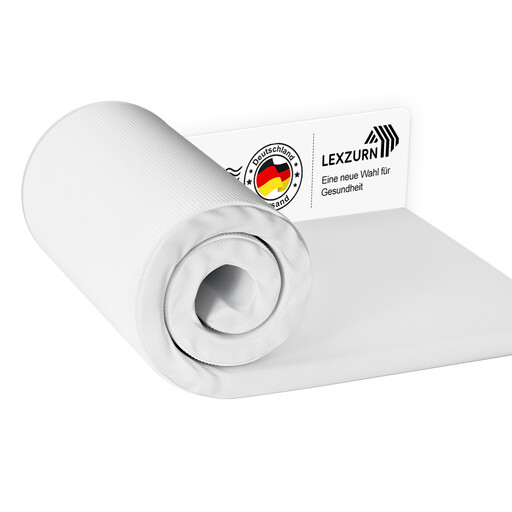
Why it suits this profile: A compact size for a single bed, with a removable cover and an underside designed to help prevent it from slipping.
The product specifications list a removable cover that can be washed at 40 °C. Be sure to check the care label and exact fit before buying.
90 × 200 cm, 3.5 cm high, 7-zone memory foam according to the product description, and a removable cover.
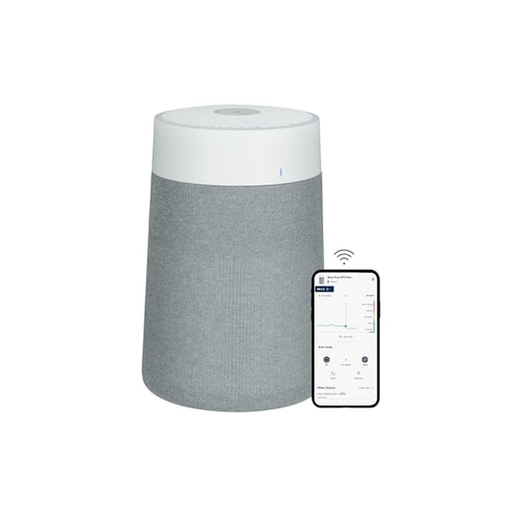
Why it suits this profile: A good choice if you’re looking for a compact, quiet air purifier with app control for a bedroom, home office or other room within its stated coverage area.
The product listing gives both the CADR and noise levels. This lets you compare capacity and sleeping comfort rather than relying on the word HEPA alone.
CADR of 212 m³/h, 19–48 dB according to the product specifications, app control and a filter included.
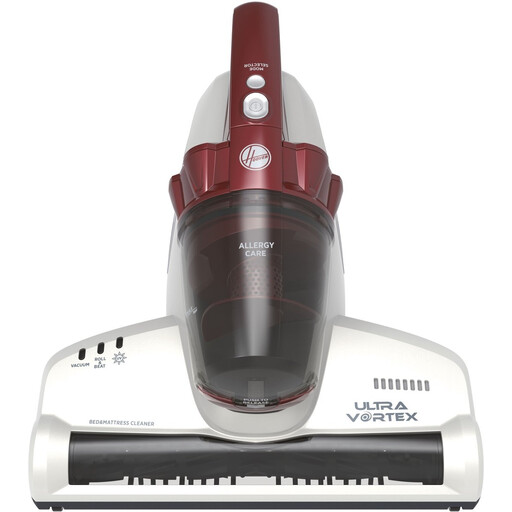
Why it suits this profile: For anyone looking to clean mattresses, pillows, sofas and other fabric surfaces as well as doing their regular vacuuming.
This isn’t a general-purpose air purifier being used on fabric. The appliance is designed specifically for dry mattresses, upholstery and similar surfaces.
500 W power, a Roll & Beat vibration function and a stated weight of 2.3 kg. The manufacturer lists UV-C functionality; follow the safety instructions.
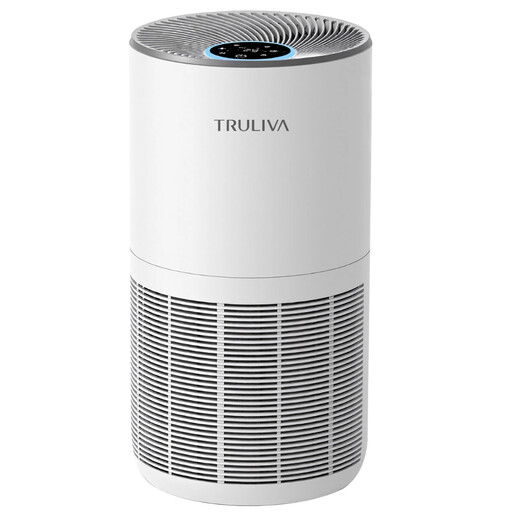
Why it suits this profile: An option for anyone looking for a higher CADR, an air quality display and filtration for dust, pollen and pet dander.
The specifications list a CADR of 450 m³/h and a coverage area of 32–55 m². This makes it easier to check the capacity against your room than a general claim about “whole homes”.
H13 HEPA filter, pre-filter, activated carbon filter, PM2.5 display and child lock according to the product description.
Combine products with simple household measures:
A hypoallergenic duvet or an anti-allergy mattress topper can be part of a hygienic bedroom, but neither replaces medical treatment. Always check the official instructions and product information.
We’ve put together a complete, up-to-date list of products that meet these strict selection criteria and the relevant European safety requirements.
It depends on what’s causing your symptoms. For pollen, dust and pet dander in the air, you could consider an air purifier with a suitable CADR. For fabrics, a washable mattress topper cover, regular washing and targeted vacuuming are practical measures. Don’t automatically combine these solutions without considering the room, maintenance and noise level.
The recommended interval varies by model, usage and air quality. Some manufacturers recommend replacing the filter every few months; other appliances send an alert via a display or app. Follow the instructions and check the filter sooner if you notice a drop in airflow or the appliance starts making more noise.
A mattress vacuum cleaner can remove dust, skin flakes and other dirt from dry fabric surfaces. This makes it a useful addition to cleaning and washing. It doesn’t guarantee that all dust mites or allergens will be removed. Use the appliance according to the safety instructions, and wash bedding and covers separately according to the care label.
