
Vandaag of morgen in huis

Kwaliteit gegarandeerd

Welkomstaanbiedingen ontgrendelen: GRATIS bezorging | Tot 80% korting | Gratis 30 dagen JoyPlus-proefperiode
Download de app
As a Joybuy Product Recommendation Officer, I see how modern vehicles are becoming increasingly complex. A simple warning light on the dashboard can indicate a problem in one of dozens of electronic systems. For professional mechanics and serious DIYers, a standard fault code reader is no longer enough. You need a tool that can dig deep, access all systems, and give you the control to perform repairs efficiently.
This guide is designed to help you choose an advanced all-system OBD2 scan tool. We're focusing on devices that go beyond simply reading and clearing codes, offering features previously found only in expensive professional-grade equipment.
The market for diagnostic tools is vast. To make the right choice, it's crucial to pay attention to specifications that truly make a difference in the workshop or garage.
A professional car diagnostic tool must be able to access all Electronic Control Units (ECUs) in a vehicle. This includes not only the engine and transmission but also ABS, airbags (SRS), air conditioning, instrument panel, and body electronics. Furthermore, an OBD2 scanner with reset functions is indispensable for modern maintenance. Check if the device can perform the service resets you frequently need, such as:
The ability to actuate components is what sets an advanced tool apart. A bidirectional scanner, also known as an active test diagnostic tool, can send commands to the car to, for example, activate a fuel pump, test a fan, or control injectors. This significantly speeds up troubleshooting.
Also, look to the future. Vehicles are increasingly using new communication protocols. A CAN FD scan tool is essential for compatibility with newer models (especially post-2020). A model with lifetime free updates ensures your investment retains its value, without annual subscription fees.
Based on functionality, vehicle coverage, and long-term value, we have selected some compelling options for you.
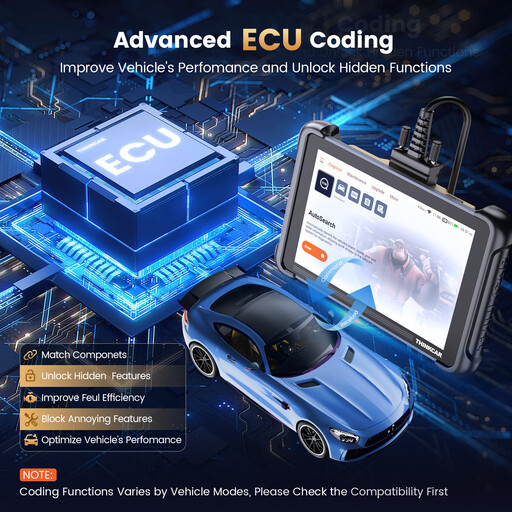
Why It Stands Out: The ThinkScan 689 combines the power of a professional diagnostic tool with the ease of use of a modern tablet. Its 8-inch screen and Android 10 operating system ensure smooth operation. Support for advanced protocols like CAN FD and DoIP makes it a future-proof choice for the modern workshop. The promise of lifetime free updates is a significant advantage, keeping the total cost of ownership low.
Key Features:
Who is it for? For the technician or advanced DIY mechanic seeking a powerful, all-in-one tablet solution without recurring subscription fees.
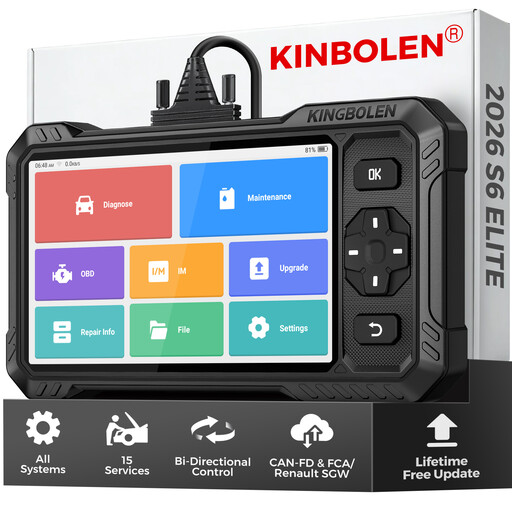
Why It Stands Out: The Kingbolen S6 Elite positions itself as a highly cost-effective option that doesn't compromise on professional features. It offers full bidirectional control and access to all vehicle systems. Its wide vehicle coverage (over 150 brands) and support for CAN FD and secure gateways (FCA and Renault SGW, may require separate accounts) make it a versatile tool.
Key Features:
Who is it for? Ideal for the DIYer, home mechanic, or professional workshop looking for maximum diagnostic control and active test capabilities at a competitive price.
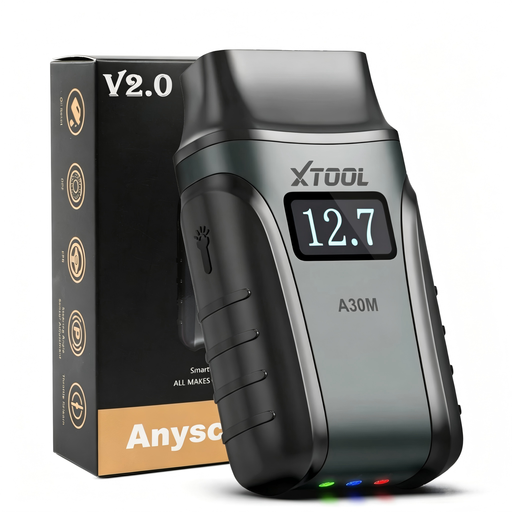
Why It Stands Out: The XTOOL A30M is a compact and wireless solution. This Bluetooth dongle turns your own Android or iOS smartphone or tablet into a powerful diagnostic tool. Despite its small size, it offers OE-level full system diagnostics, bidirectional control, and over 26 reset functions. Lifetime free updates and support for CAN FD and FCA AutoAuth are also included.
Key Features:
Who is it for? Perfect for the mobile technician or the tech-savvy DIYer who prefers a wireless solution and wants to use their own mobile device as an interface, without sacrificing professional diagnostic power.
Are these not quite the tools you're looking for, or do you need a device for a specific task? No problem. For a wider range of diagnostic equipment, you can browse our full category.
? Explore more options in the OBD Reset Tool category
1. What is the difference between a standard OBD2 scanner and an all-system tool? A standard OBD2 scanner, or car fault code reader, typically only reads and clears generic fault codes related to the engine and emissions (the check engine light). An all-system tool can communicate with all modules in the car, such as ABS, airbags, transmission, A/C, and more. This provides a complete picture of the vehicle's health.
2. Is a bidirectional scanner necessary for a DIY mechanic? For basic maintenance and reading fault codes, it's not strictly necessary. However, if you want to independently diagnose issues and pinpoint the cause of a problem without unnecessarily replacing parts, a bidirectional scanner is a very valuable investment. It allows you to test components and see if they are functioning correctly, which can save a lot of time and money.
