
当日/次日达

品质保障

开启新人专享福利: 全场免邮 | 低至 2 折 | 免费试用 30 天 JoyPlus 会员
下载 Joybuy
Buying alcohol-free beer seems simple: choose a brand, select a 6-pack and add it to your basket. But taste, alcohol content, volume, nutritional values and packaging can vary considerably from one product to another. If you only look at the front of the label, you could end up with a pack that isn’t right for a meal, a party or everyday drinking.
Look out for these three common pitfalls:
The products in this selection state an alcohol content of 0.0% or 0%. Always check the current label and product page, as recipes and labels can change. If you want to avoid alcohol completely, look specifically for 0.0 beer and check the packaging.
Also consider the style:
According to Heineken’s product information, Heineken 0.0 has fruity notes and a lightly bitter finish. Peroni Nastro Azzurro 0.0% is described as having citrus aromas and a light bitterness. These are descriptions from the brands or retailers, not an objective guarantee that everyone will experience the flavour in the same way.
An alcohol-free beer 6-pack is practical for a small household or if you want to try a flavour first. As well as the number of bottles, check the volume:
An alcohol-free beer 24-pack is handy if you drink it regularly or are catering for a larger gathering, but check that you have enough storage space and look at the best-before date. For occasional use, a 6-pack may be a more practical purchase.
Alcohol-free beer is usually brewed with water, malt and hops. Some varieties also contain ingredients such as maize, sugar, natural flavourings or wheat. Always check the allergen information. Several products in this selection list barley and cereals containing gluten.
Nutritional values also vary. Peroni 0.0%, for example, lists 23 kcal per 100 ml and 0.8 grams of sugar per 100 ml. Corona Cero lists 56 kcal per bottle and 2.3 grams of sugar per bottle, according to the product description. Check the units carefully: values per 100 ml aren’t directly comparable with values per bottle.
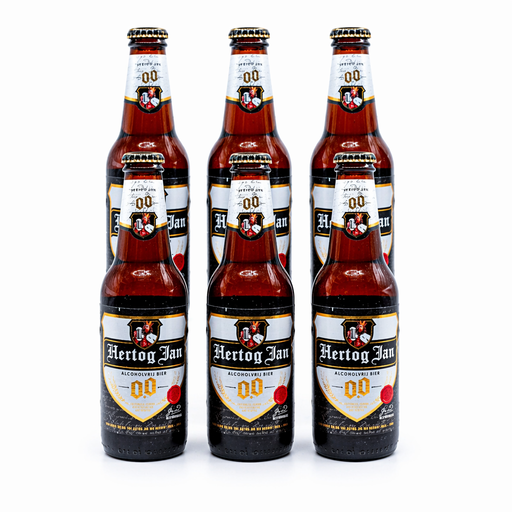
Why it suits this profile: A handy 6-pack of 300 ml bottles is a good way to try alcohol-free pilsner for the first time without buying a large quantity.
The number of bottles and volume per bottle are clearly stated. According to the product information, it contains 0.0% alcohol and is a pilsner with a light bitterness.
6 x 300 ml, 0.0% according to the product description, in a familiar pilsner style. Contains barley and gluten.
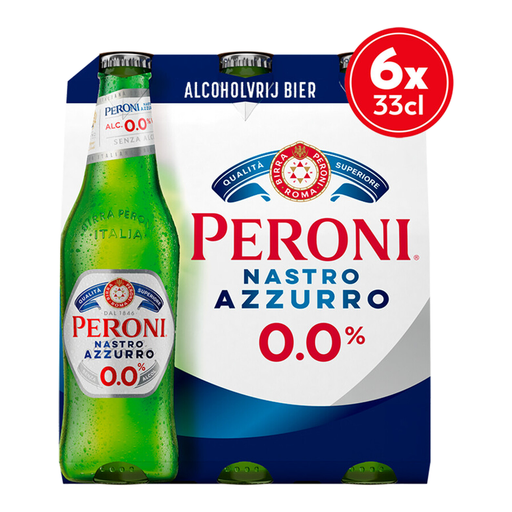
Why it suits this profile: The 330 ml bottles offer a larger serving than many 250 ml packs. According to the product information, its citrus notes and light bitterness make it a good match for pizza, pasta and antipasti.
The product page lists the alcohol content, bottle volume, ingredients and nutritional values. This makes it easier to check that the flavour and serving size match your expectations.
6 x 330 ml, 0.0% according to the product information, 23 kcal per 100 ml and 0.8 grams of sugar per 100 ml. Contains barley and gluten.
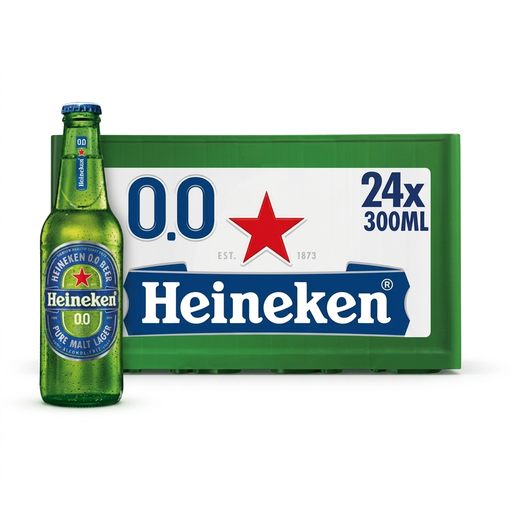
Why it suits this profile: A 24-pack containing 7.2 litres is a good fit for households, events or anyone who regularly serves alcohol-free beer.
The pack lists both the number of bottles (24) and the volume per bottle (300 ml). This lets you check the total quantity before placing a bulk order.
24 x 300 ml, 0.0% according to the product information, and a pilsner described as having fruity notes and a lightly bitter finish.
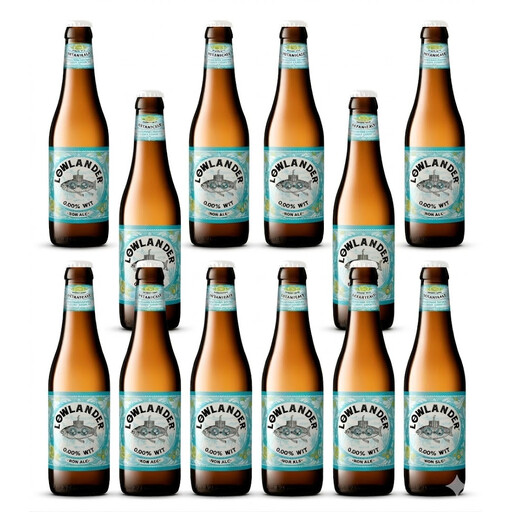
Why it suits this profile: This pack is for anyone looking for something other than pilsner: alcohol-free wheat beer in a 12-bottle pack.
The product information clearly states the style, volume and vegan status. That way, you’re less likely to order a standard pilsner by mistake.
12 x 330 ml, 0.0% wheat beer according to the product name, and 27.8 kcal per 100 ml according to the stated nutritional values. Contains cereals containing gluten.
We’ve put together a complete, up-to-date list of products that meet these strict selection criteria and the applicable European safety regulations.
A product labelled 0.0% is described as alcohol-free, but always check the current packaging and product information. If you need to avoid alcohol completely for personal, medical or other reasons, speak to a healthcare professional if you’re unsure about a product.
The best-before date is shown on the packaging. Store bottles in a cool, dry place away from direct sunlight. Avoid significant temperature changes and, once opened, preferably drink the bottle straight away. The flavour can change during prolonged storage, even if the date hasn’t yet passed.
That depends on the price per pack, delivery costs and any offers. Compare the price per litre rather than looking only at the total price. A 24-pack can be practical if you drink it regularly, while a 6-pack takes up less storage space and means you’ll have less stock to use.
