
Vandaag of morgen in huis

Kwaliteit gegarandeerd

Welkomstaanbiedingen ontgrendelen: GRATIS bezorging | Tot 80% korting | Gratis 30 dagen JoyPlus-proefperiode
Download de app
Buying alcoholic drinks online is convenient when you are preparing a dinner, barbecue or party. You can easily compare beer, wine, cider, liqueurs and spirits by volume, alcohol content and packaging. However, an attractive product page can hide important differences. A larger pack is not automatically better value, and a familiar tasting description does not always reflect your preferences.
This guide helps adult consumers in the Netherlands compare products carefully. Pay attention to the product information, the legal age limit of 18+ and responsible alcohol consumption.
A crate or multipack often has a lower price per bottle or can, but only if you will actually use the contents. So compare the price per litre, not just the total price. For example, a box with 24 small bottles may have a different price per litre from a pack containing 20 larger bottles.
When looking at an alcoholic drinks offer, also check whether the discount applies to one pack, multiple items or a limited-time promotion. Also review the delivery costs and any deposit amounts.
Words such as “smooth”, “refreshing” or “full-bodied” are subjective descriptions. Use them as an indication, but first check the type of drink, alcohol content, volume and ingredients. With speciality beer, malt, hops, herbs and yeast make a practical difference. For wine, the grape variety, origin and sulphites are relevant details.
A premix, liqueur and standard spirit differ in alcohol content and how they are used. For example, Smirnoff Ice Original Crisp Citrus is a spirit-based premix at 4%, while Puschkin Red Sensation contains 14.5%. Always check the label and do not order based solely on the brand name or packaging.
The alcohol content partly determines how strong a drink is. Pilsner beer and many lagers are often around 4 to 5.5%, while speciality beer such as Tripel Karmeliet contains 8.4%. Wine is often stronger than beer; St. Andrea Merengő Egri Bikavér Superior 2022 lists 15% vol. Port-style wines such as Sealord Port Ruby and Tawny list 19%.
For a long evening or barbecue, a mix of alcohol-free options and lower-strength drinks may be more practical. Drink slowly, alternate with water and do not drive or take part in traffic after drinking alcohol.
Check whether you are buying a bottle, can, multipack or family-sized pack. Pay attention to:
An opened bottle should be sealed properly. Always follow the instructions on the label. For wine and port, it is advisable to check the packaging for information about quality and shelf life after opening.
Beer often contains barley and therefore gluten. For example, Tripel Karmeliet lists barley malt, wheat, oats and gluten as allergens. Wine, port and sangria may also contain sulphites. Check the ingredients list if you have allergies or intolerances.
The recipe is also important for cider. Apple Bandit Raspberry lists, among other ingredients, apple juice from concentrate, sugar, fruit juice and sulphites. The product is described as gluten-free, but always check the current packaging if you are unsure.
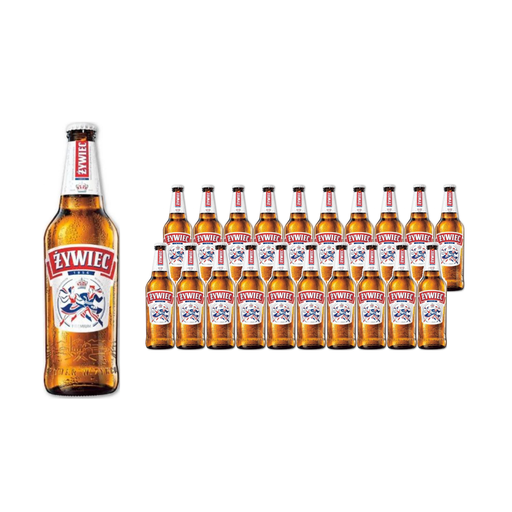
Why it suits this profile: The pack contains 20 bottles of 50 cl, making it suitable for a gathering where several guests will be drinking beer.
The number of bottles and volume per bottle are clearly stated. Before buying, check the current price per litre and any deposit information.
20 bottles of 500 ml; ingredients include water, barley, maize, hops and hop extract.
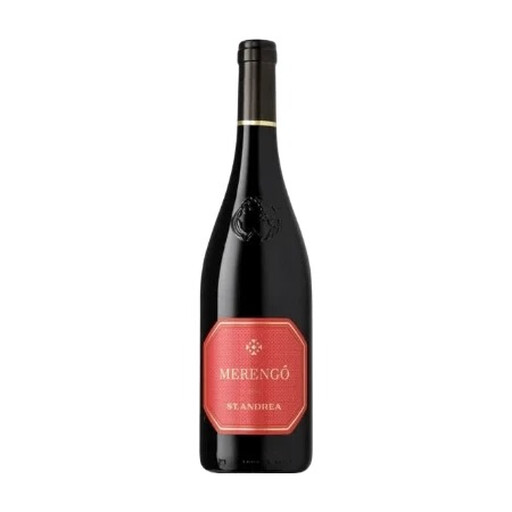
Why it suits this profile: This Hungarian red wine from Eger is a good choice for a dinner or occasion where origin, serving temperature and tasting notes are important.
The alcohol content, volume, ingredients and serving temperature of 15 to 17 °C are stated. The tasting notes are an indication, not a guarantee.
750 ml; 15% vol; according to the product description, the tasting notes include cherries, plums and dark berries; contains sulphites.
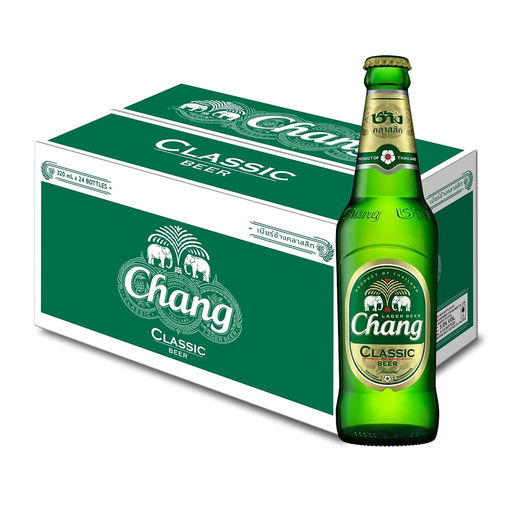
Why it suits this profile: A box of 24 bottles of 320 ml is practical for a barbecue, Thai meal or larger gathering.
The 5% alcohol content and exact number of bottles make the quantity clear in advance. The packaging also includes deposit information; check the current terms.
24 bottles of 320 ml; 5% vol; according to the product description, a Thai lager with malt and hop notes; contains barley.
We have put together a complete, up-to-date list of products that fully meet these strict selection criteria and the applicable European safety regulations.
Anyone who wants to order beer online can choose speciality beer, stout or an international lager as well as pilsner. Examples include San Miguel Especial from Spain, Guinness at 7.5% and Trio Extra Stout at 7.2%. Always check the alcohol content and allergens.
When buying wine online, you can filter by red, white, origin and bottle size. Gato Negro Sauvignon Blanc is a 375 ml white wine with 12.5% alcohol. For a dinner with cheese or dessert, port-style varieties such as Sealord Port Ruby and Tawny are options worth comparing; both product descriptions list 19% alcohol and sulphites.
If you want to buy liqueur online or purchase spirits, pay particular attention to the percentage and serving method. Apenshot Liqueur lists 14%, while Puschkin Red Sensation contains 14.5%. For a lighter ready-to-drink option, you can buy premixes and mixed drinks such as Smirnoff Ice Raspberry at 4% or Apple Bandit Raspberry cider at 4.5%.
Yes, in the Netherlands alcoholic drinks are exclusively for consumers aged 18 and over. An age check may take place upon delivery of online orders. Make sure you or another adult accepts the order in accordance with the seller’s terms.
That depends on the price per litre, packaging, delivery costs and any deposit charges. Divide the total price by the total number of litres. A multipack is practical for a party, while individual bottles give you more opportunity to try different flavours.
Store unopened drinks in a cool, dark place, away from direct sunlight and major temperature fluctuations. Seal opened bottles properly and follow the instructions on the label. Check the current shelf-life information on the packaging for each product.
