
Vandaag of morgen in huis

Kwaliteit gegarandeerd

Welkomstaanbiedingen ontgrendelen: GRATIS bezorging | Tot 80% korting | Gratis 30 dagen JoyPlus-proefperiode
Download de app
Alcohol-free drinks now come in all sorts of varieties: from alcohol-free beer and 0.0 beer to alcohol-free mocktails, spritz and sparkling drinks. This wide choice makes selecting easier, but it also increases the chance of a disappointing purchase. After all, a striking label tells you very little about the alcohol content, the amount of sugar or whether the flavour suits the occasion.
If you’re consciously cutting back or avoiding alcohol altogether, it’s worth checking the label and nutritional information first. That way, you can make a more informed choice for a drink with dinner, a party, a picnic or simply relaxing at home.
The terms on the packaging aren’t always the same. A product labelled 0.0% alcohol clearly states that, according to the product information, no alcohol is present. With other alcohol-free drinks, such as de-alcoholised wine or beer, the exact wording can differ. So always check the alcohol percentage on the label if this matters to you.
Also watch out for product confusion. A mocktail-style soft drink is not the same as alcohol-free beer, even though both are sold as alternatives to alcoholic drinks.
Words like “spritz”, “mojito”, “tropical” or “fruit” mainly describe the flavour profile. They don’t automatically mean a drink is low in sugar. For example, Schweppes Sprite Zero Lime Mint Mojito contains 14.9 grams of sugar per 330 ml can, whereas Schweppes Mojito Zero has 1 kcal and 0 grams of sugar per 100 ml according to the product information.
So always check the nutritional values per 100 ml and per serving. Especially with small bottles or cans, the total sugar content can add up quickly.
A 1-litre bottle is handy for a dinner party or sharing, but less practical if you only want an occasional glass. Small bottles and cans are better suited to parties, on-the-go drinking or a personal stash.
Also consider storage. Many sparkling drinks need to be refrigerated after opening and consumed within the period stated on the packaging. For alcohol-free wine and aperitifs, resealing is often important to preserve flavour and carbonation.
First, distinguish between:
Peroni Nastro Azzurro 0.0% has an alcohol content of 0.0% according to the product information and contains barley malt, maize and hops. Pierre Zéro Spritz also states 0.0% vol and is based on de-alcoholised wine. These products suit different expectations: beer lovers often look for bitterness and malt, while aperitif drinkers tend to focus on herbs, citrus and a serving moment with ice.
If you’re looking for low-calorie drinks, don’t just rely on words like “zero” or “light”. Check:
SPA Touch Sparkling Mocktail Strawberry Daiquiri, Passion Fizz and Mojito state 0 kcal, 0 grams of sugar and no sweeteners per 100 ml. SPA Touch Sparkling Blackcurrant also has 0 kcal and 0 grams of sugar according to the product information. In contrast, Liefmans Fruitesse Alcohol-Free contains 22 kcal and 3.7 grams of sugar per 100 ml. The product is described as an alcohol-free fruit beer with fruit notes and sweeteners.
None of these options is automatically right for everyone. The choice depends on whether you prefer dry, fruity, malty or sweet.
Check the volume and packaging format before you order. A 6-pack of 330 ml is practical for a social occasion, while a 250 ml bottle is better suited to a small aperitif moment. Also check for allergens:
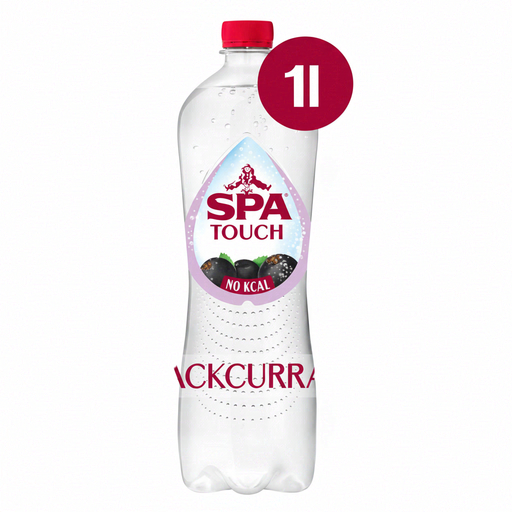
Why this suits the profile: The 1-litre bottle is handy for sharing at home or serving with a meal. The light blackcurrant flavour offers more variety than plain sparkling water.
The product information states 0 kcal, 0 grams of sugar and no sweeteners. So you don’t need to confuse a fruity flavour with a sweetened soft drink.
1 litre volume; sparkling natural mineral water with natural flavouring; according to the product information, free from the 14 major EU allergens.
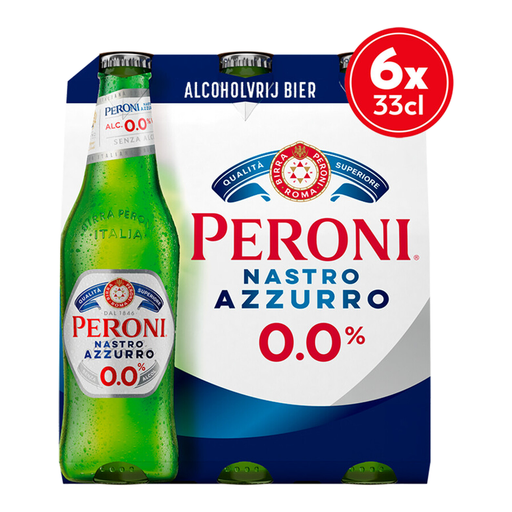
Why this suits the profile: This 0.0 option appeals to lager beer fans who care about serving style and pairing with pizza, pasta or antipasti.
The alcohol content of 0.0% is clearly stated in the product information. The nutritional values are also specific: 23 kcal per 100 ml and 0.8 grams of sugar.
6 bottles of 330 ml; citrus and hop notes according to the description; contains barley and gluten-containing cereals.
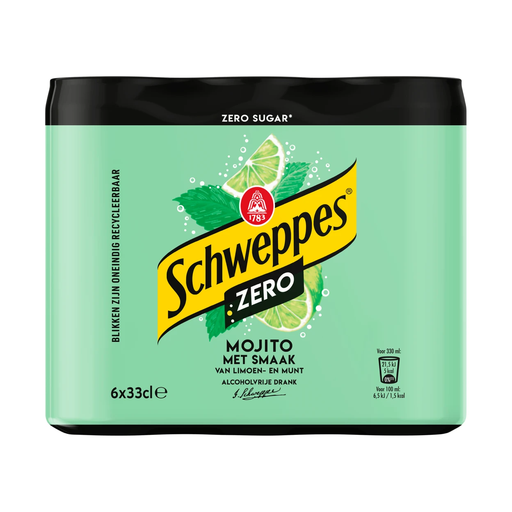
Why this suits the profile: The 330 ml cans are practical for parties, picnics and occasions where you want to serve multiple portions.
The product information states 1 kcal and 0 grams of sugar per 100 ml. You get a mojito flavour without automatically choosing a sweetened version.
6 x 330 ml; lime as a flavour component; serve chilled and refrigerate after opening according to the product information.
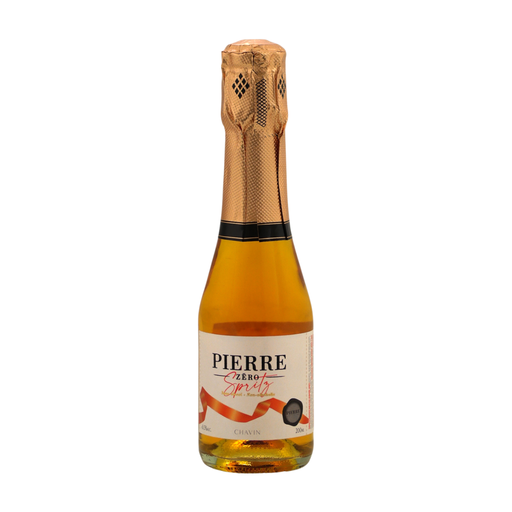
Why this suits the profile: The small size is ideal for an individual aperitif with ice, for example with dinner or a celebratory moment.
The product information states 0.0% vol and gives 28 kcal and 6.5 grams of sugar per 100 ml. This allows you to compare the spritz directly with other aperitifs.
200 ml; notes of bitter orange peel and herbs according to the product description; designed to be served with ice.
We’ve put together a full, up-to-date list of products that fully meet these strict selection criteria and comply with current European safety regulations.
Not always. Check the alcohol percentage on the label. Products such as Peroni Nastro Azzurro 0.0% and Leffe IPA 0.0 Alcohol-Free state 0.0% in the product information. The exact composition and wording can vary from product to product.
This varies considerably by type. SPA Touch Sparkling Mocktail and SPA Touch Sparkling Blackcurrant state 0 kcal per 100 ml. Schweppes Mojito Zero states 1 kcal per 100 ml. Fruit beer, malt drinks and sweetened spritz varieties generally contain more calories. Always check the nutritional information table on the packaging.
Follow the instructions on the label. Many sparkling drinks need to be refrigerated and consumed within a few days. Seal a bottle or can tightly where possible. Store unopened products in a cool, dry place away from direct sunlight, unless the packaging states otherwise.
