
Vandaag of morgen in huis

Kwaliteit gegarandeerd

Welkomstaanbiedingen ontgrendelen: GRATIS bezorging | Tot 80% korting | Gratis 30 dagen JoyPlus-proefperiode
Download de app
If you're looking for alcohol-free drinks, there's plenty of choice in the UK: from alcohol-free beer and 0.0 beer to alcohol-free wine, an alcohol-free spritz, tonic water and sparkling fruit drinks. With such a wide range, comparing options isn't always straightforward. A flashy label doesn't tell you much about taste, sugar content, serving size or the exact alcohol declaration.
Whether you're driving to a party, choosing not to drink alcohol, pregnant, or simply looking for an alternative to beer and wine, it's best to focus on the product information. That way, you'll avoid buying a large pack that doesn't suit your needs, or choosing a drink that's much sweeter than you expected.
The terms alcohol-free, non-alcoholic and 0.0% aren't always used in the same way. So always check the alcohol percentage on the label. Products like Heineken 0.0, Kirin Free and Pierre Zéro Chardonnay clearly state 0.0% vol in the product information.
For pregnant consumers, drivers and anyone who wants to avoid alcohol completely, it's wise to always check the packaging and ingredients list. Don't rely solely on the front of the bottle or can.
A soft drink without alcohol can contain sugar, but also sweeteners. Pepsi Zero Strawberry & Cream Soda, for example, contains no sugar according to the stated nutritional values, but does contain aspartame, acesulfame K and sucralose. Schweppes Agrumes Zero also uses sweeteners.
If you want to limit sugar or sweeteners, compare the nutritional values per 100 ml and per serving. A 330 ml can may contain significantly more carbohydrates per serving than the table per 100 ml suggests.
For a drink at home, a multipack can be handy, while a 200 ml or 375 ml bottle is better suited to a dinner or a gift set. So work out the price per litre. Also keep an eye on deposit, packaging materials and shelf life after opening.
A bottle of alcohol-free wine that's opened for one evening has a different usage profile to a tray of beer or a box of small spritz bottles.
First, decide what you want to replace:
Alongside the alcohol percentage, also check for allergens. Corona Cero, for example, contains barley and gluten-containing grains. Pierre Zéro Chardonnay lists sulphite as an allergen.
Compare the values per 100 ml to fairly assess different pack sizes. Some examples from the product information:
These figures don't tell you about personal suitability. But they do help you make a choice based on verifiable information rather than general terms like "light" or "natural".
Small bottles are practical for individual servings. Larger packs are usually more sensible for parties or regular use. Store unopened drinks according to the label, typically in a cool place away from direct sunlight. After opening, some products need to be kept refrigerated and consumed within the stated period.
With FOCO Coconut Water, the unopened pack can be stored at room temperature; after opening, the product information advises refrigeration and consumption within three days. That makes the product suitable for stocking up, but less suitable if you want to keep an opened pack for a long time.
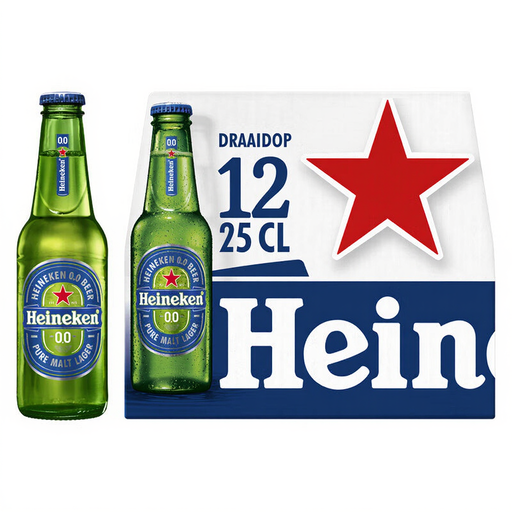
Why this suits the profile: A recognisable pilsner style in twelve small bottles. Handy if you want to try 0.0 beer first without committing to a large tray.
The alcohol percentage is stated as 0.0%. The 250 ml serving also means you won't end up with unused opened bottles.
0.0% alcohol, 21 kcal per 100 ml and a pack of 12 x 250 ml bottles.
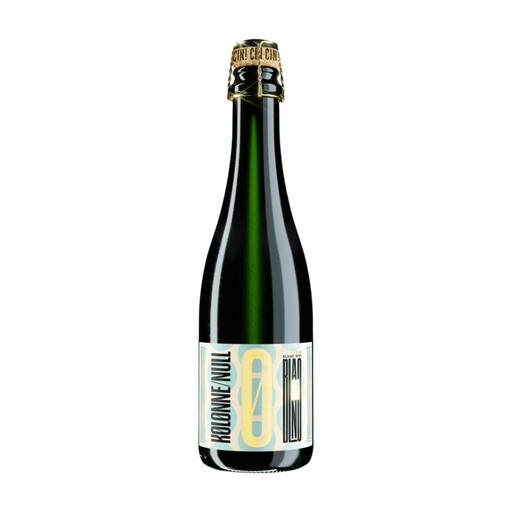
Why this suits the profile: The 375 ml bottle is ideal for a dinner, toast or relaxed aperitif where presentation matters.
The product page describes it as sparkling wine and gives a clear volume of 375 ml. Do check the current label information before purchasing.
Sparkling wine style, compact bottle and, according to the product information, none of the 14 main EU allergens.
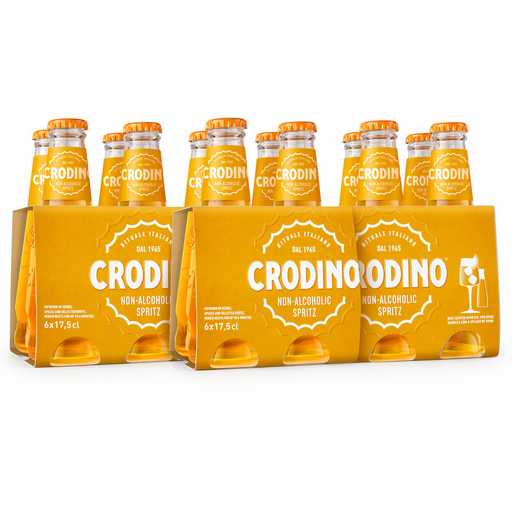
Why this suits the profile: The multipack is designed for parties, gatherings and multiple serving occasions. Serve chilled with ice and a slice of orange.
The 175 ml serving size limits waste. The ingredients list does mention sugar and colourings, so you're not relying solely on the term "non-alcoholic".
36 small bottles in total, sparkling aperitif style and, according to the product information, none of the 14 main EU allergens.
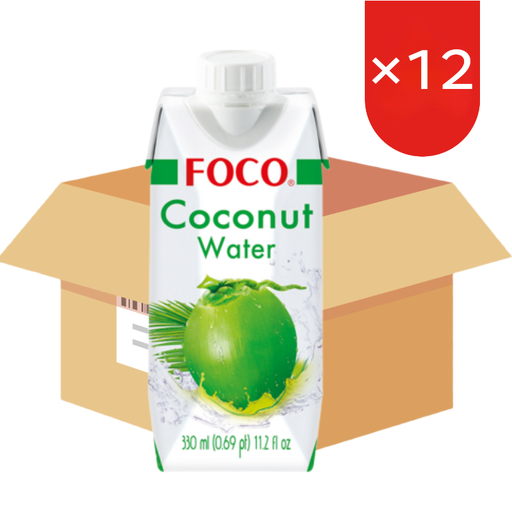
Why this suits the profile: Twelve 330 ml servings are practical for on the go, at home or after exercise, without carbonation.
The ingredients list states only coconut water. So it's immediately clear that there are no added flavourings or sugar in the stated composition.
100% coconut water according to the product information, shelf-stable unopened outside the fridge and supplied in 12 x 330 ml packs.
We've put together a full, up-to-date list of products that fully meet these strict selection criteria and comply with current European safety regulations.
Not always. Check the stated alcohol percentage on the label. 0.0 beer usually clearly states 0.0% vol, as with Heineken 0.0 and Kirin Free. With other products, the legal term "alcohol-free" can have a different meaning. If you want to avoid alcohol completely, it's best to choose a product where the exact percentage is clearly shown.
That varies by brand and type. Zero soft drinks like Schweppes Agrumes Zero state 0.3 g sugar per 100 ml, but do contain sweeteners. Heineken Premium Pilsener 0.0 states 1.3 g sugar per 100 ml. Always compare the full nutritional information table and also look at the ingredients.
Follow the instructions on the packaging. Tonic water, soft drinks and spritz generally taste best after opening when stored sealed and chilled. FOCO Coconut Water, for example, states consumption within three days of opening. Small serving packs can be handy if you want to limit waste.
