
Livraison le jour même et le lendemain

Qualité garantie

Débloquez vos offres de bienvenue: Livraison GRATUITE | Jusqu'à -80 % | 30 jours d'essai gratuits à JoyPlus
Téléchargez l'application
Alcohol-free drinks are now available in many varieties: from alcohol-free wine and alcohol-free beer to mocktails, alcohol-free spritz and sparkling drinks without sugar. That makes choosing easier, but also more confusing. A striking label tells you little about the amount of sugar, sweeteners or alcohol in the product.
If you’re consciously choosing alcohol-free drinks – for example, as a driver, an expectant mother, a fitness-conscious drinker, or at a party – it’s wise to check the label and nutritional information first.
An alcohol-free drink can still contain sugar. This is true, for example, of some alcohol-free wines, spritz drinks and mocktails. According to the product information, Pierre Zéro Chardonnay contains 4.3 grams of sugar per 100 ml. Crodino Biondo also lists sugar as an ingredient.
If you want to drink less sugar, look specifically for terms like zero sugar, 0 g sugars or no added sugar. Always check the nutritional information table too. “Light”, “zero” and “sugar-free” are not the same thing.
A bottle with a wine cork or a sparkling mocktail might look suitable for a get-together, but the contents and serving size vary widely. A 375 ml bottle, for example, is intended for a different purpose from a multipack of 330 ml cans.
So pay attention to:
Look at the alcohol percentage on the packaging. Pierre Zéro Chardonnay states 0.0% ABV. Desperados Virgin is also described as 0.0%. With other products, “alcohol-free” may simply refer to the product category. If you want to avoid alcohol completely, it’s sensible to choose only products where the percentage is clearly stated and to check the current packaging.
During pregnancy, when taking medication, or on a strict alcohol-free diet, it’s advisable to carefully review the ingredients list and product information if you’re in any doubt.
First, decide what you’re looking for:
Compare the nutritional values per 100 ml, not just per can or bottle. A drink with 1 kcal per 100 ml can still deliver more calories than expected if you have a larger serving.
Examples from the range:
With alcohol-free wine, check for sulphites in particular. Pierre Zéro Chardonnay lists sulphur dioxide and sulphites as allergens. Soft drinks and mocktails may contain acids, preservatives, flavourings and sweeteners, among other things.
The product information for several drinks does not list any of the 14 main EU allergens. Still, check the packaging, especially as recipes can change. Also pay attention to storage: many opened sparkling drinks need to be kept refrigerated and consumed within the period stated on the label.
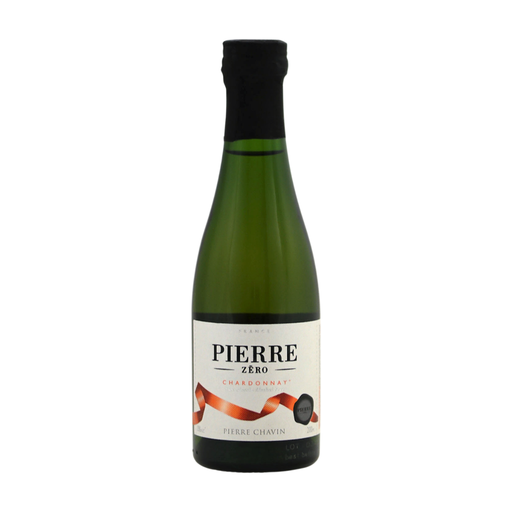
Why this fits the profile: The 200 ml serving is practical for one person, without having to open a large bottle. The fruity style works well as an aperitif, with a salad or a light meal.
The label clearly states both 0.0% ABV and the nutritional values. This shows you that alcohol-free doesn’t automatically mean sugar-free.
200 ml per pack, 0.0% ABV and 19 kcal per 100 ml according to the product information.
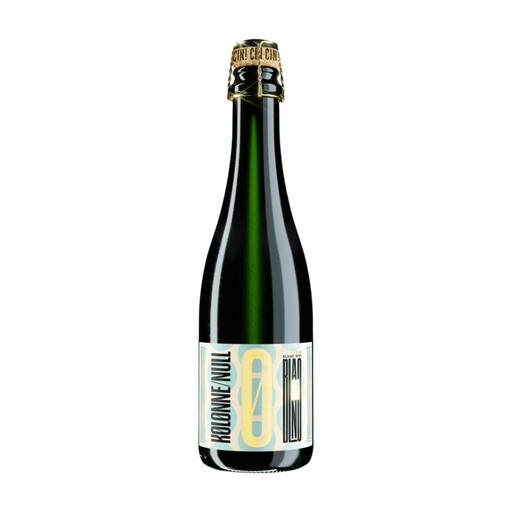
Why this fits the profile: The sparkling presentation suits celebratory occasions when you’re looking for an alternative to champagne or regular sparkling wine.
The contents and packaging are clearly stated as 375 ml. Check the current label for alcohol percentage and nutritional values before purchasing.
Sparkling white drink in a 375 ml bottle; ideal for a smaller occasion or sharing.
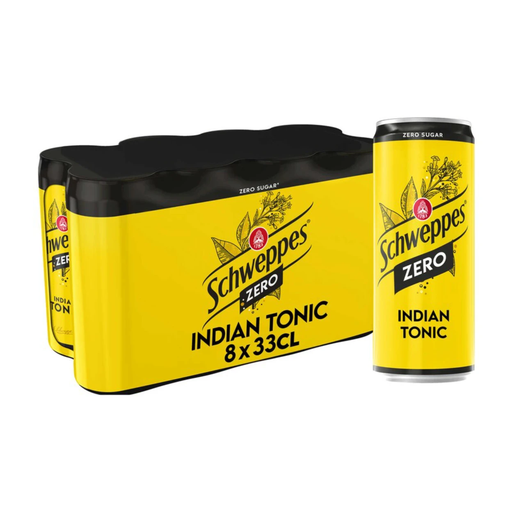
Why this fits the profile: A multipack of eight cans is handy for regular consumption, parties or as a base for alcohol-free cocktails.
The statement of 0 grams of sugar and 1 kcal per 100 ml makes the difference between it and a regular tonic clear. The ingredients list does mention sweeteners.
Eight cans of 330 ml, 0 grams of sugar per 100 ml and suitable for mixing or drinking chilled.
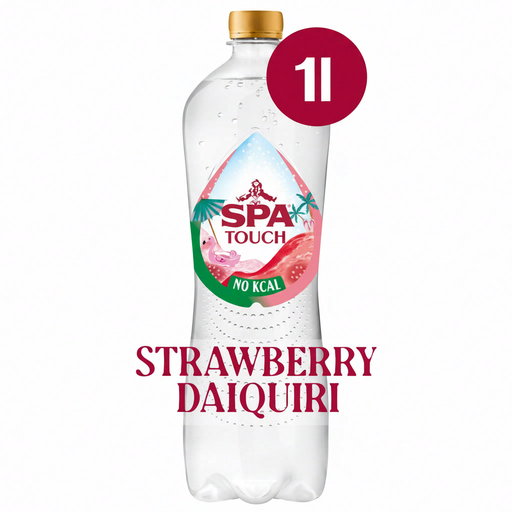
Why this fits the profile: The 1-litre bottle is ideal for sharing at a gathering. The strawberry daiquiri flavour gives a mocktail feel without alcohol, sugar or sweeteners, according to the product information.
The nutritional information makes it clear that “mocktail” here doesn’t automatically mean extra sugar: the product states 0 kcal and 0 grams of sugar.
1 litre of sparkling mineral water, natural flavourings and none of the 14 main EU allergens according to the product information.
We’ve put together a full, up-to-date list of products that fully meet these strict selection criteria and comply with current European safety regulations.
For everyday drinking, small cans or zero-sugar soft drinks are practical. Choose a multipack if you use the drink regularly. For a dinner, an alcohol-free wine or sparkling variety often suits the setting better. For a get-together, you could use Crodino, an alcohol-free spritz or an alcohol-free tonic with lime, mint and ice.
Want to make your own alcohol-free mojito? Combine sparkling water or tonic with lime, mint and ice. First check whether the base drink contains sugar. A zero-sugar version can be low in calories, but may contain sweeteners. A mocktail with fruit juice, on the other hand, may contain more natural sugars.
No. “Alcohol-free” only tells you about the alcohol content, not automatically about sugar. Check the nutritional information table and ingredients list. Alcohol-free wine and spritz drinks can contain sugar, while some zero-sugar soft drinks and mocktails state 0 grams of sugar.
That depends on the presentation you want and the number of guests. Sparkling drinks are suitable for a toast, 1-litre mocktails are practical for sharing, and multipacks of cans are handy for self-service. Check the alcohol percentage and serving size for each product.
Store opened sparkling drinks according to the packaging instructions, usually refrigerated and tightly sealed. The exact period after opening can vary by product. Pay attention to the best-before date, seal the bottle or can tightly, and consume the product within the stated time.
