
Vandaag of morgen in huis

Kwaliteit gegarandeerd

Welkomstaanbiedingen ontgrendelen: GRATIS bezorging | Tot 80% korting | Gratis 30 dagen JoyPlus-proefperiode
Download de app
There’s now a wide range of alcohol-free drinks to choose from, from a celebratory alcohol-free spritz to sparkling water, tropical fruit drinks and zero-sugar drinks. Having so much choice is great, but it can also make it harder to decide. Eye-catching packaging doesn’t tell you much about the sugar content, fruit percentage or serving size.
Comparing products carefully can help you avoid a disappointing purchase. Pay particular attention to the nutritional information, ingredients list and occasion. That way, you can choose a drink for a party, everyday use or when you’re out and about that better matches your expectations.
An alcohol-free drink contains no alcohol according to the product information, but it may still contain sugar. For example, Sir James 101 Spritz Alcohol-Free contains 37 kcal and 9 grams of sugar per 100 ml. Pierre Zéro Spritz lists 28 kcal and 6.5 grams of sugar per 100 ml.
If you want to cut down on sugar, don’t rely on words such as “alcohol-free”, “light” or “refreshing”. Always check the nutritional information per 100 ml. A bottle or can may contain several servings.
Zero-sugar drinks often use sweeteners instead of sugar. This can keep the energy value low, but the product is still a blended soft drink. For example, Raak Multi-Fruit Syrup Zero contains fruit juice from concentrate, sweeteners and flavourings. Its nutritional information is 1 kcal and 0 grams of sugar per 100 ml, when the syrup is diluted according to the instructions.
With a tropical fruit drink, it’s the other way round: a higher fruit percentage can mean more flavour, but also more natural sugars and calories. So always compare the guava, passion fruit or soursop percentage with the nutritional information.
A tray of cans is handy for a party or your cupboard, but less suitable if you want to try a flavour first. A 1.5-litre bottle is practical for serving several glasses at home, while an individual bottle or can is a better fit for a bag or lunchbox.
Check the storage instructions too. Many drinks need to be refrigerated after opening and used within the time stated on the label.
Use the per-100-ml table as a consistent basis for comparison. Look at:
A drink labelled “no added sugar” may still contain natural sugars from fruit. According to the product information, Iam Superjuice Pink Guava contains 30% pink guava and 16 kcal per 100 ml. Iam Superjuice Passionfruit contains 30% passion fruit juice and 17 kcal per 100 ml.
For a guava, passion fruit or soursop drink, the fruit percentage gives you something you can check. MAAZA Guava Drink contains 18% guava purée. Sagiko Soursop Juice contains soursop purée and lists 11 grams of sugar per 100 ml.
A product can have a pronounced fruity flavour from flavourings, even if it has a low fruit percentage. That isn’t automatically a drawback, but it’s worth bearing in mind if you’re specifically looking for a fruit drink.
If you’re buying a spritz or sparkling water, check whether it’s carbonated and which pack size best suits your needs. Crodino Biondo comes in a multipack of 6 x 175 ml and is intended to be served chilled with ice and, for example, a slice of orange.
The product information for the drinks mentioned does not list any of the 14 major EU allergens. Even so, always check the packaging label, especially if ingredients have changed or you’re sensitive to particular ingredients.
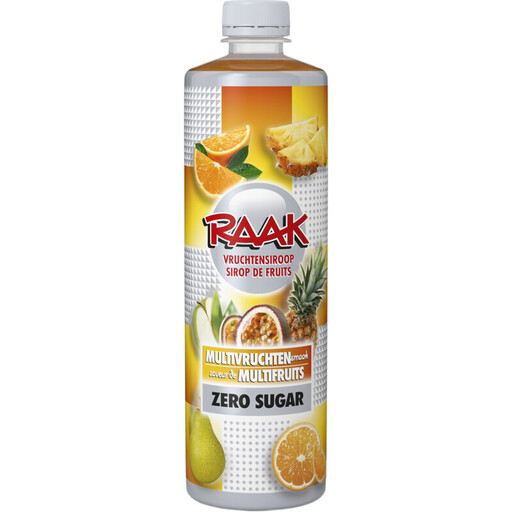
Why it suits this profile: The syrup is suitable for home use and, according to the product information, makes around 30 glasses. You can adjust the strength to suit your taste.
According to the product information, the packaging lists the nutritional value as 1 kcal and 0 grams of sugar per 100 ml of prepared drink. This makes it easier to compare your options.
Mixed fruit flavour with apple, orange, passion fruit, pineapple and pear; vegan and gluten-free according to the product information.
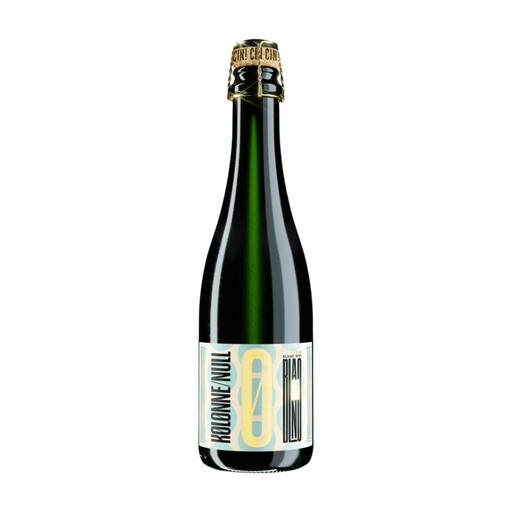
Why it suits this profile: The 375 ml bottle is a good fit for dinner, a toast or a small occasion where you don’t need a large pack.
The bottle size helps you avoid buying more drink than you need for a single occasion. Check the latest information on the label before purchasing.
Sparkling wine in a 375 ml bottle; the product information does not list any of the 14 major EU allergens.
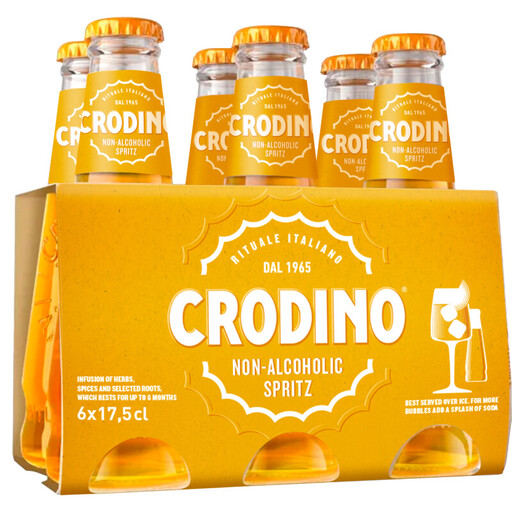
Why it suits this profile: The multipack is practical for having guests over, casual get-togethers and serving on several occasions. Serve chilled with ice and a slice of orange.
The individual 175 ml portions make it easier to plan how much to pour per glass than with a large bottle.
Six individual bottles; sparkling drink with herbal and fruit extracts, according to the product description.
We’ve put together a complete, up-to-date list of products that meet these strict selection criteria and current European safety requirements.
Not every product in this category is intended for drinking. Melvita Lavender Floral Water 200 ml is an organic lavender floral water for external use. According to the product information, it is made by steam-distilling Lavandula Angustifolia flowers and is certified by Ecocert Greenlife.
Use it only as directed on the packaging. Avoid contact with your eyes and do not apply it to damaged or irritated skin. Stop using it if irritation occurs. Take a look at Melvita Lavender Floral Water 200 ml if you’re specifically looking for an organic product for cleansing and toning.
No. Alcohol-free means there’s no alcohol; it doesn’t mean there’s no sugar. Check the nutritional information and ingredients list. An alcohol-free spritz may contain several grams of sugar per 100 ml, while a zero-sugar drink uses sweeteners and lists little or no sugar.
It depends on the number of guests and how you plan to serve it. A Crodino multipack gives you individual portions. An alcohol-free aperitif such as Pierre Zéro Spritz or Sir James 101 Spritz works well served over ice. Syrup may be more economical and flexible for a larger group, as you can decide how much to use in each glass.
Always follow the label. Many fruit drinks, flavoured sparkling waters and spritz products need to be refrigerated after opening and used within the stated time. As a general rule, store unopened bottles in a cool, dry place away from direct sunlight. Before use, check that the cap or seal is intact.
