
Vandaag of morgen in huis

Kwaliteit gegarandeerd

Welkomstaanbiedingen ontgrendelen: GRATIS bezorging | Tot 80% korting | Gratis 30 dagen JoyPlus-proefperiode
Download de app
Alcohol-free drinks now come in many varieties: from alcohol-free wine and 0.0% alcohol-free beer to alcohol-free fizz and spritz. This wide selection makes choosing easier, but it also increases the chance of a disappointing purchase. A bottle might look celebratory, yet the contents could be too sweet, the portion might not suit the occasion, or the alcohol percentage may not be clearly stated.
As a Joybuy Product Recommendation Officer, I therefore focus on verifiable information: alcohol percentage, volume, ingredients, nutritional values, allergens and how the product is intended to be used. This way, you choose a drink that suits your occasion rather than just the packaging.
Not every product labelled alcohol-free communicates the percentage in the same way. Always check the label or product information for 0.0% ABV. This is especially important if you still need to drive, you don’t drink alcohol, or you’re looking for a drink during pregnancy. When in doubt, always check the current packaging and ingredients list.
Also watch out for product mix-ups. An alcohol-free variant can sit right next to a regular version in the same product range. The product name, alcohol percentage and description must all match up.
Words like “fresh”, “fruity” and “sparkling” give a general impression, but they don’t tell you how much sugar or carbohydrates a drink contains. An alcohol-free rosé, for example, can have a sweeter fruit style than you might expect. Pierre Zéro Sparkling Rosé lists 4.5 grams of sugar per 100 ml; Pierre Zéro Spritz has 6.5 grams per 100 ml.
If you prefer a drier style, it’s better to look at the ingredients, nutritional values and the type of drink. An alcohol-free white wine made with Chardonnay can taste quite different from a sparkling rosé with fruity aromas.
A 200 ml bottle is handy for one person, while 750 ml is better suited to a dinner or drinks with several guests. A half-bottle can be a practical middle ground. Also pay attention to the closure: a screw cap is easy for on the go, whereas an opened bottle of fizz can lose its carbonation more quickly.
Store alcohol-free drinks according to the product information: cool, out of direct sunlight and away from large temperature fluctuations. Seal the bottle well after opening and check the best-before information on the packaging.
First, choose the style that suits the occasion:
Don’t just check the front of the label – look at the product details too. If a product states 0.0%, that’s a concrete point to verify. Claims about taste or production method come from the manufacturer; treat them as product information from the brand, not as a universal guarantee.
Alcohol-free wine can contain dealcoholised wine, grape must, acids, flavourings, antioxidants and preservatives, among other things. Sulphites are present in many wine products. Alcohol-free beer may contain barley malt or wheat. Liefmans Fruitesse Alcohol-Free, for example, contains barley malt and lists cereals containing gluten as an allergen.
If you want to avoid allergens, always check the current ingredients list. Product information can change, and the packaging remains the definitive source.
When in doubt, compare the nutritional values per 100 ml. Pay attention to sugar, carbohydrates and energy, especially if you’re serving several glasses or bottles. Also consider the volume:
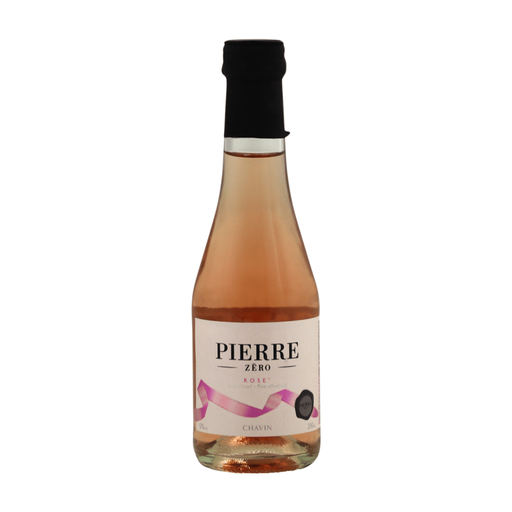
Why this fits the profile: The single-serve 200 ml bottle limits waste when you want to try alcohol-free rosé for the first time or only need a small portion.
The format prevents an opened large bottle from going unused. The product information states 0.0% ABV and 4.1 grams of sugar per 100 ml.
Still rosé, screw cap, 0.0% ABV and a blend of Chardonnay and Merlot.
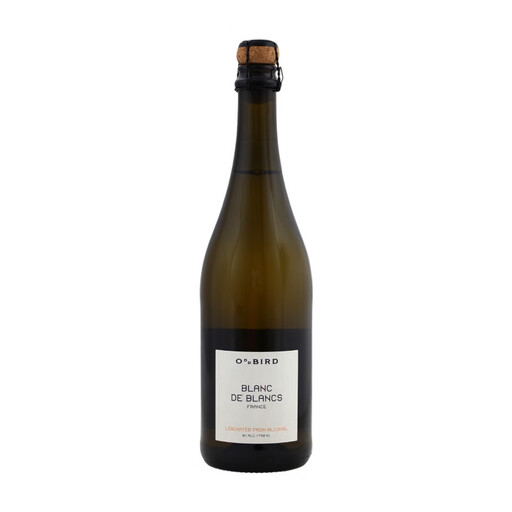
Why this fits the profile: The bottle size is designed for a dinner, celebratory toast or drinks where several glasses will be poured.
The product description clearly calls it an alcohol-free sparkling wine. Do check the current packaging before purchase and serve chilled according to the product information.
750 ml, sparkling and, according to the product information, free from the 14 major EU allergens.
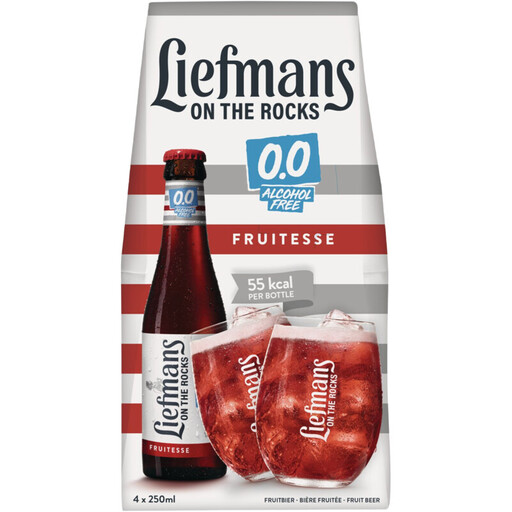
Why this fits the profile: The multipack is practical for parties, get-togethers and households where several alcohol-free drinks are kept chilled and ready.
The 250 ml portions prevent a large bottle from staying open for too long. The packaging states 0.0% and lists the allergens present.
Four bottles, fruit flavour with cherry, raspberry and blueberry, 22 kcal per 100 ml and 3.7 grams of sugar per 100 ml.
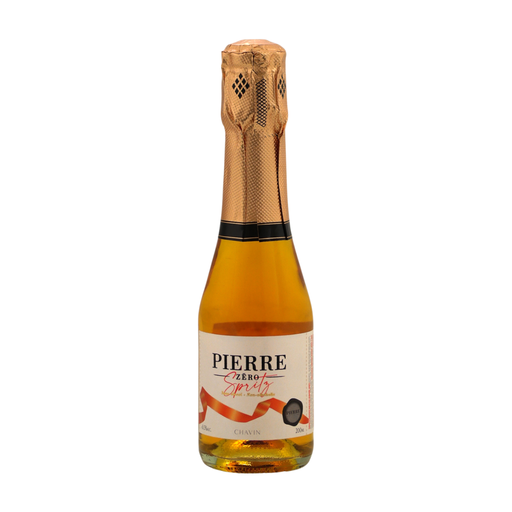
Why this fits the profile: This small bottle is designed for an aperitif over ice and offers an alternative to a classic spritz without opening a whole bottle.
The alcohol percentage is stated as 0.0% ABV. The flavour profile is specifically described with bitter orange peel and herbs.
200 ml, 0.0% ABV, 28 kcal per 100 ml and suitable for serving over ice.
We’ve put together a full, up-to-date list of products that fully meet these strict selection criteria and current European safety regulations.
No, always check the exact percentage on the label. In this selection, several Pierre Zéro products state 0.0% ABV. The packaging and current product information are the definitive source, as labelling can vary from product to product.
That depends on the product, the closure and the instructions on the packaging. Seal the bottle well, store it cool and avoid direct sunlight. Sparkling drinks can lose their carbonation more quickly after opening. Always check the best-before information and the manufacturer’s usage instructions.
That varies from person to person and product to product. Check allergens, sugar and ingredients. Alcohol-free beer may contain gluten, and alcohol-free wine may contain sulphites. If you need to strictly avoid alcohol for medical or personal reasons, it’s wise to check the label and, if necessary, consult the manufacturer.
